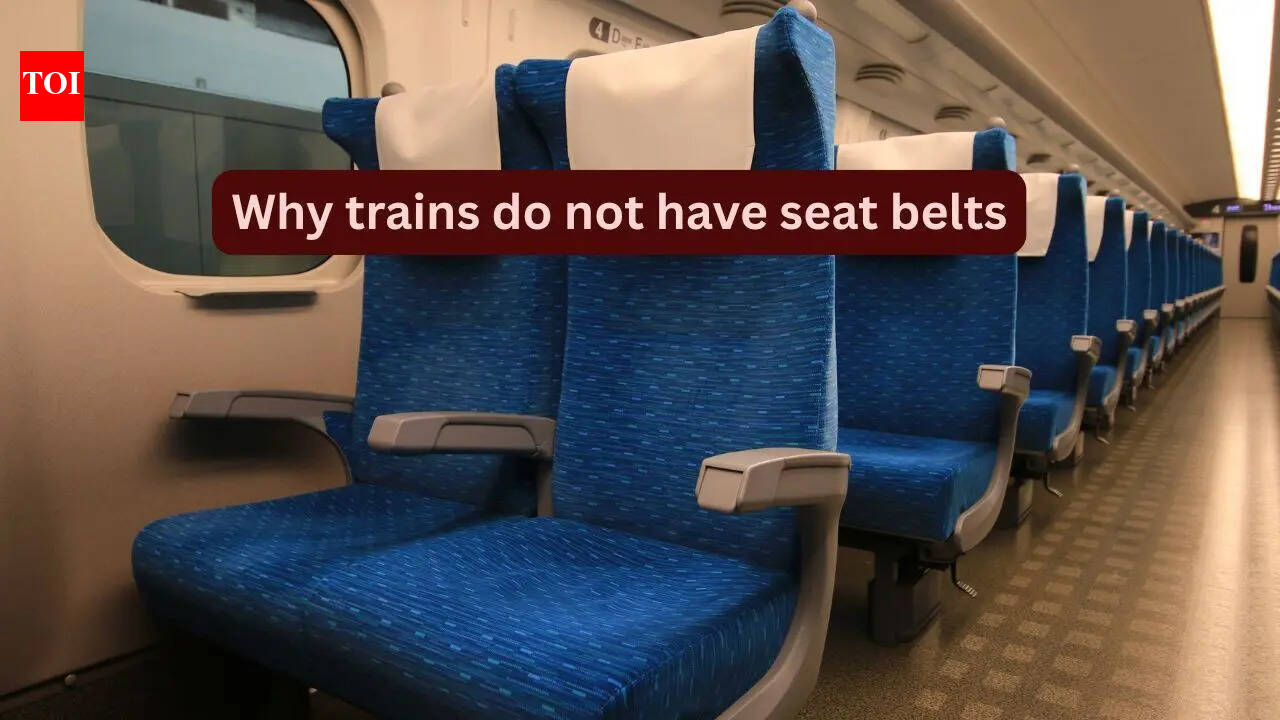
Trains, across the globe, are considered one of the safest modes of transportation. But, ever thought that almost every mode of travel comes with safety belts but not trains? Be it India’s long-distance trains or Japan’s bullet trains or Europe’s high-speed trains, one thing that is common in all (may surprise many travellers) is that there are usually no seat belts. We even buckle up during a short car ride too, but in trains, there’s no such belt which often raises questions. However, as per railway safety experts and transport authorities, there are several reasons why trains are designed differently from cars and airplanes. Let’s find out the logic behind this:The biggest reason is simpleYes, the answer is very simple and also logical. Trains operate in a far more controlled environment making the journey safer. Unlike cars, which share roads, trains have fixed tracks. These tracks are governed by advanced signalling systems and have speed controls. The European Union Agency for Railways notes that rail remains one of the safest modes of transportation in the world. What rail experts have to say
According to rail experts, seat belts are important in vehicles that stop suddenly or change direction unpredictably. It is needed in cars and airplanes where sudden shifts are possible. but trains are different and are extremely heavy. These usually decelerate more gradually, even during emergency braking.There have been cases where impact forces inside train coaches are lower than those experienced in road accidents. Another major reason is the train design itself. Railway carriages are built with energy-absorbing interiors, and cushioned seating. The crash-management systems reduce injury risks in case of accidents. In fact, it could be dangerous installing seat belts in trains. According to transport safety analyses referenced by rail experts, seat belts could actually create new hazards. Passengers who are not wearing them could become projectiles during an accident, while belted passengers may face severe injuries in case the coach overturns. World’s fastest trains have no seat belts
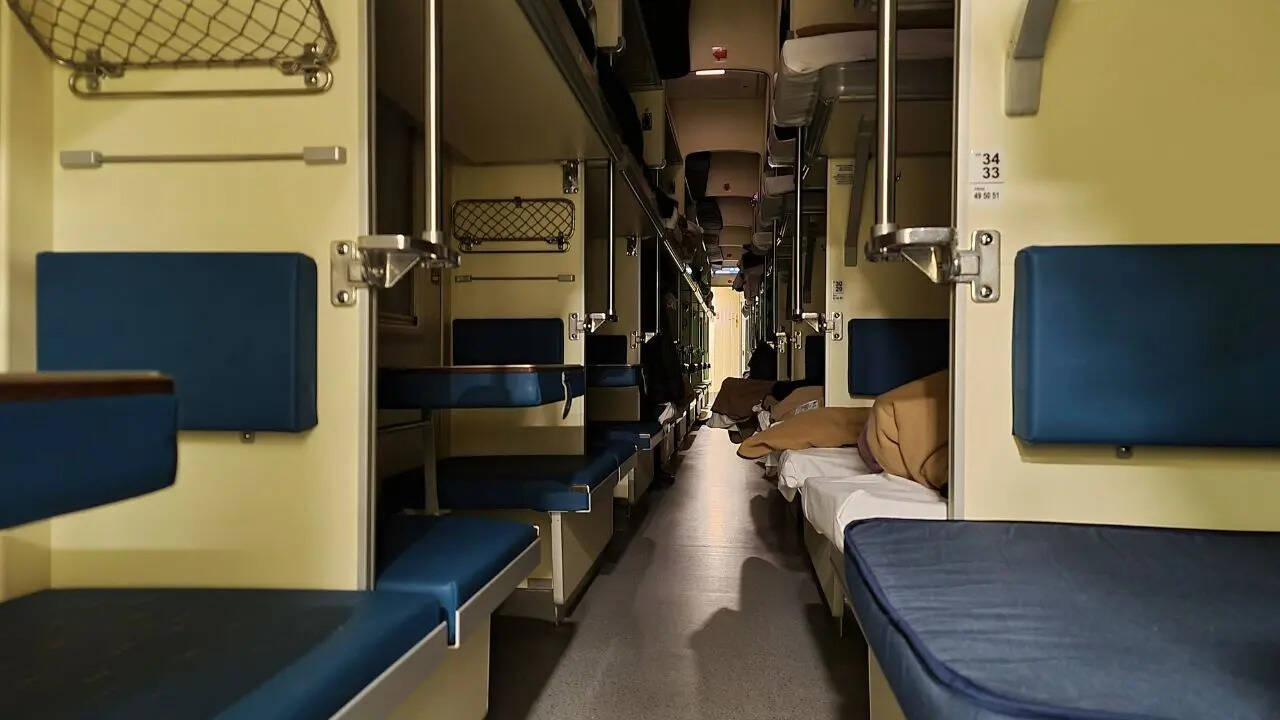
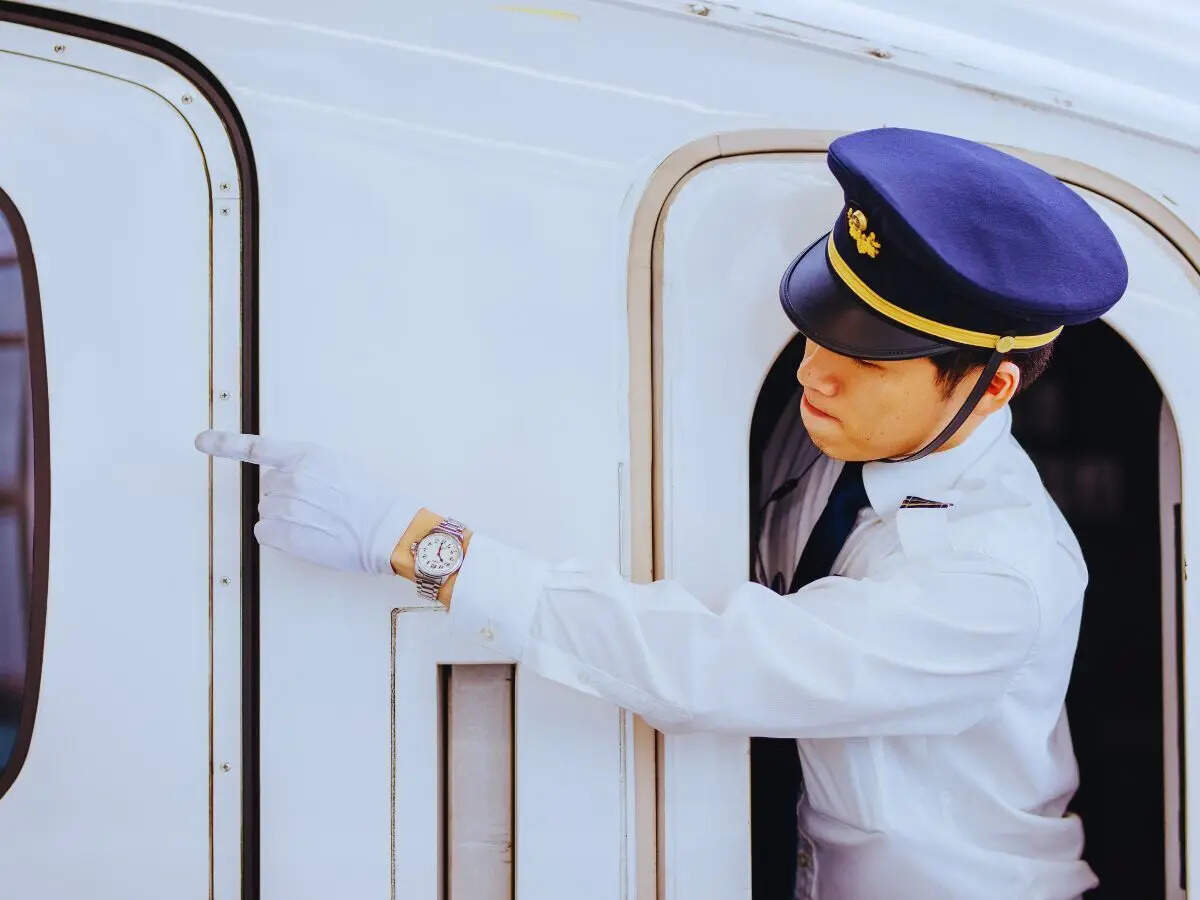
And that’s the reason why the world’s fastest trains also do not have seat belts. Japan’s Shinkansen, which runs at speeds exceeding 300 km/h, also relies on automated control systems. The network is globally famous for its extraordinary safety record till date. Similarly, you won’t see seat belts in many high-speed services across France, Germany and Spain.Practical reasonThere are also interesting practical reasons why trains avoid seat belts. Trains are designed for passenger mobility. Travellers routinely walk to dining cars, sleeper cabins and washrooms during journeys. What travellers should know
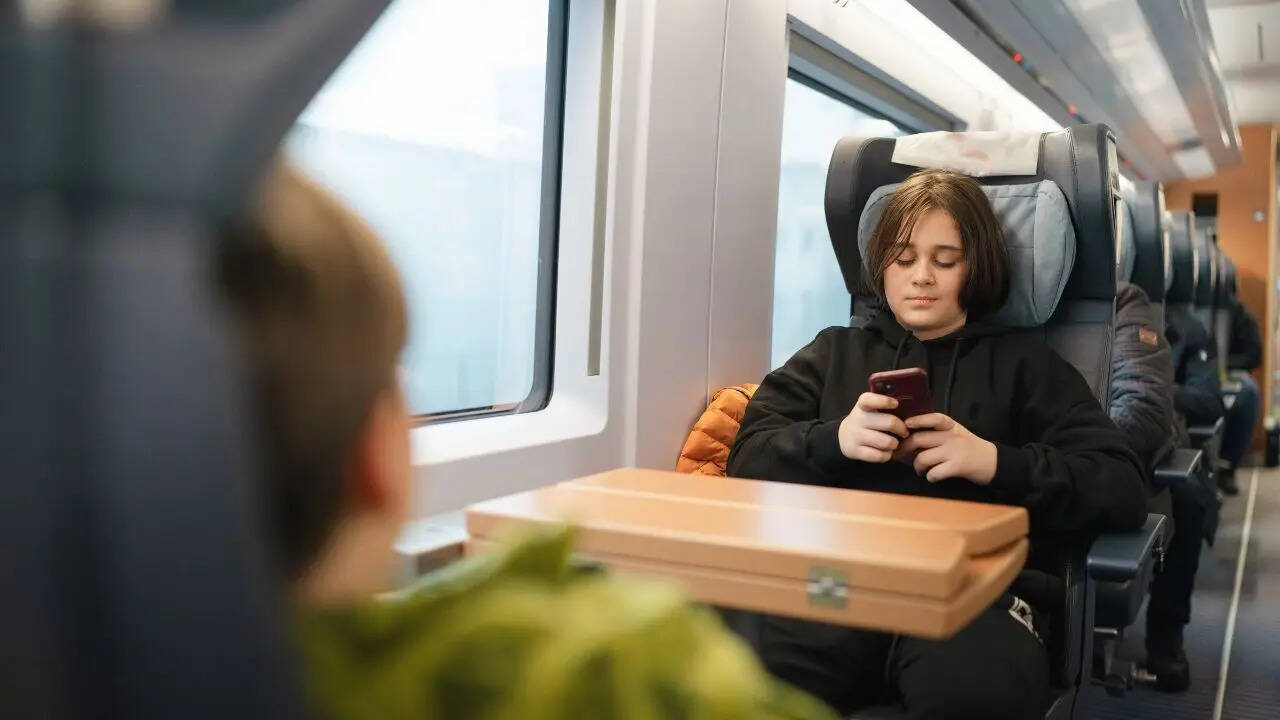
For travellers, the absence of seat belts doesn’t mean lack of safety. It is more safe without a seat belt. What passengers can do instead is keep luggage safe and secured during sudden braking, holding handrails while walking through moving coaches and paying attention to onboard announcements are all important habits, especially on high-speed or overnight routes.