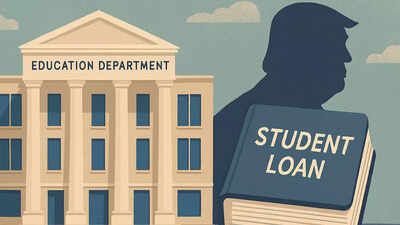
As millions of students prepare for college admissions and career decisions, fresh data from the U.S. is raising serious concerns about the long-term cost of higher education. A new analysis highlights a sharp jump in student loan delinquencies during President Donald Trump’s second term, with experts warning of ripple effects on careers, credit scores and life milestones.According to a report by CNBC, nearly 25% of student loan borrowers with a payment due are now behind on their loans — a steep rise from around 9% in 2019. The findings are based on a study published by The Century Foundation, which analysed data from the University of California Consumer Credit Panel.Nearly 8 million borrowers entered delinquency in 2025The scale of the crisis is striking. Around 7.9 million student loan borrowers entered delinquency in just the first three quarters of 2025, the study noted.Peter Granville, fellow at The Century Foundation and lead author of the report, told CNBC: “By blocking access to the very programs designed to help struggling borrowers, Donald Trump is trapping millions in a spiral of debt that is destroying their credit scores and locking them out of homeownership, buying a car and other life milestones.”However, the administration has rejected the claim that the situation represents a sudden deterioration. Ellen Keast, press secretary for higher education at the Education Department, told CNBC that previous relief measures had masked the true numbers. “The idea of a sudden increase in delinquencies in student loans is a misnomer,” she said, adding that the administration is now reporting “full and accurate data on student loan repayment.”Credit scores plunge, career goals hitFor students and young professionals, the most immediate impact is on credit health. Around 2 million borrowers with delinquent loans have seen their credit scores fall to an average of 580 from 680, the foundation estimates. In the U.S., a score above 670 is generally considered good.A drop of this magnitude can affect everything from renting an apartment to securing a car loan — and even influence hiring decisions in some sectors.Higher education expert Mark Kantrowitz told CNBC that staffing cuts at the Education Department may have compounded the problem. “When you get rid of people who help borrowers face financial challenges, is it any surprise that these borrowers encounter problems dealing with debt?” he said.The end of the Biden-era SAVE repayment plan and the expiry of pandemic-era protections have also added pressure on borrowers who were previously shielded from collections and negative credit reporting.Regional and racial disparities widenThe report highlights stark disparities. In Louisiana and Mississippi, almost 40% of federal student loan borrowers who have payments due are delinquent, which is one of the highest rates in the nation.The problem is even more acute for black borrowers. While about 20% of white borrowers were delinquent in the third quarter of 2025, more than 48% of black borrowers and about 30% of Hispanic borrowers were delinquent.With more than 42 million Americans owing student debt of over $1.6 trillion, the statistics highlight a systemic problem that transcends personal financial irresponsibility.What students must consider in career choicesFor students and prospective students, the statistics are a wake-up call to consider the return on investment before taking up education loans. With repayment terms set to become even more stringent with the new legislative provisions, consumer activists warn that the monthly repayment amounts could escalate significantly for middle-class families.Going beyond the choice of courses, financial literacy, rational salary projections, and repayment strategies are fast becoming essential elements of career planning.As the CNBC article highlights, student debt is no longer just a financial problem but is increasingly influencing career opportunities, credit access, and economic security for an entire generation.