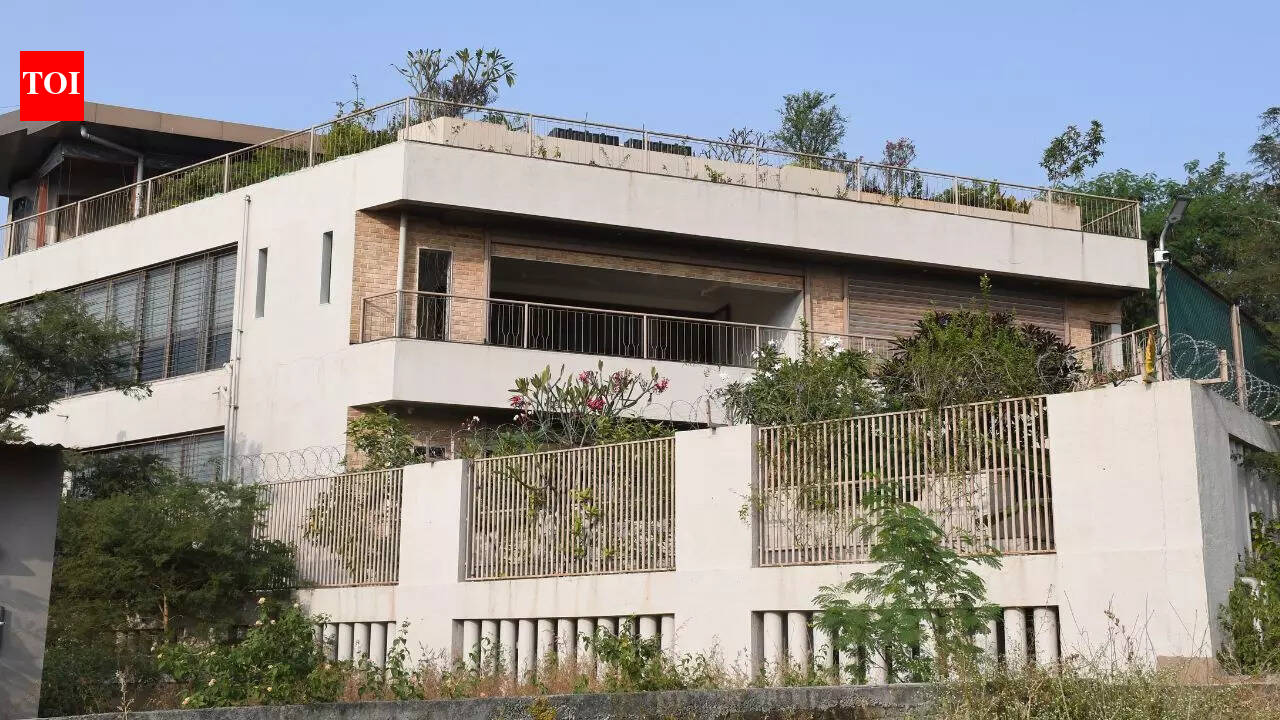
Leena Dandekar’s home is different. It is not opulent or fancy but grounded, real, and sustainable. Leena is the founder and trustee of the Raintree Foundation. She and her family have dedicated their capital, networks, and skills to driving impact in climate action, circularity, and sustainability. She exclusively shared with us how she built her sustainable home, Kamal Bunglow, in Pune. Here is her firsthand account.I wanted to build a sustainable home given my strong belief in sustainable living. I wanted to reduce the negative impact of my lifestyle on the planet and also wanted to prove- to myself first, that sustainable living need not cost more nor be more cumbersome to manage. The opportunity to build a single familystand alone home came when I moved to Pune from Mumbai. I started thinking about what lifestyle I could adopt so I could live a cleaner and more natural life.
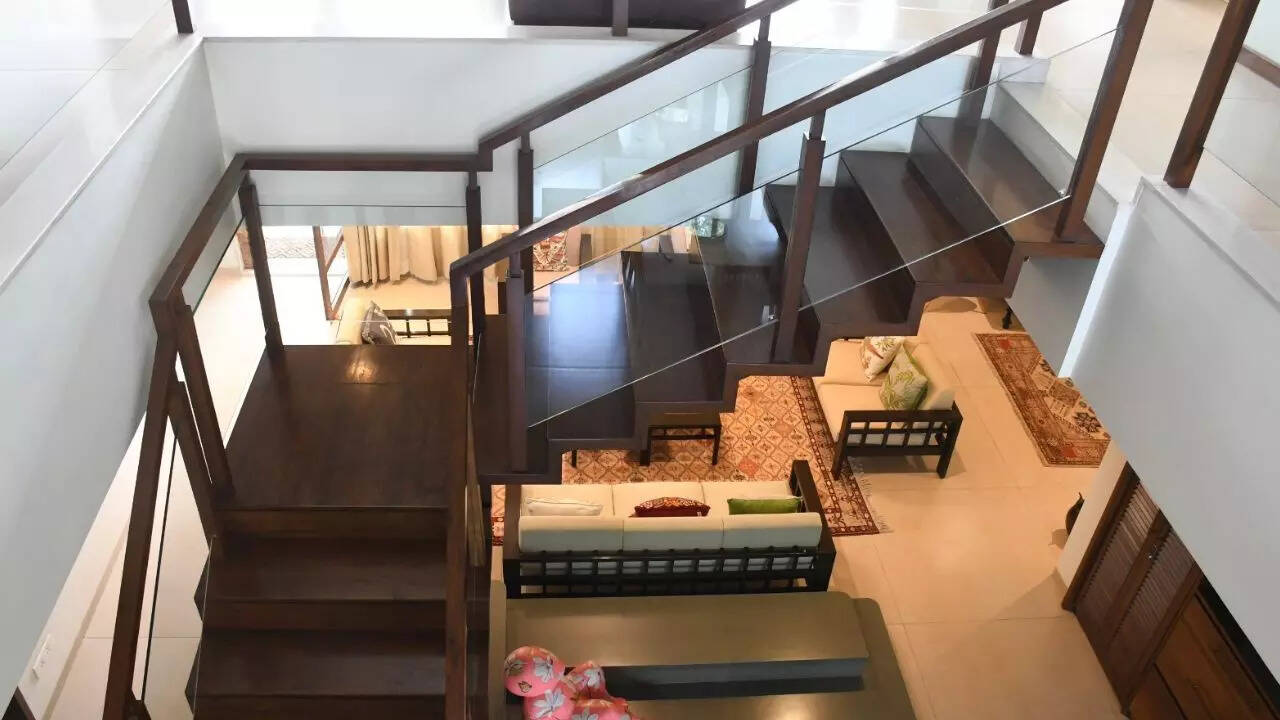
Then came this dream of growing my own fruits and vegetables and living in a house that will need minimum air conditioning and will utilize and harvest all the water. The water angle was very pertinent, as it lies in a drought-prone area. I set about buying an urban plot on the outskirts of the city with an aim to build a ‘sustainable’ home- not yet fully understanding myself what that meant.
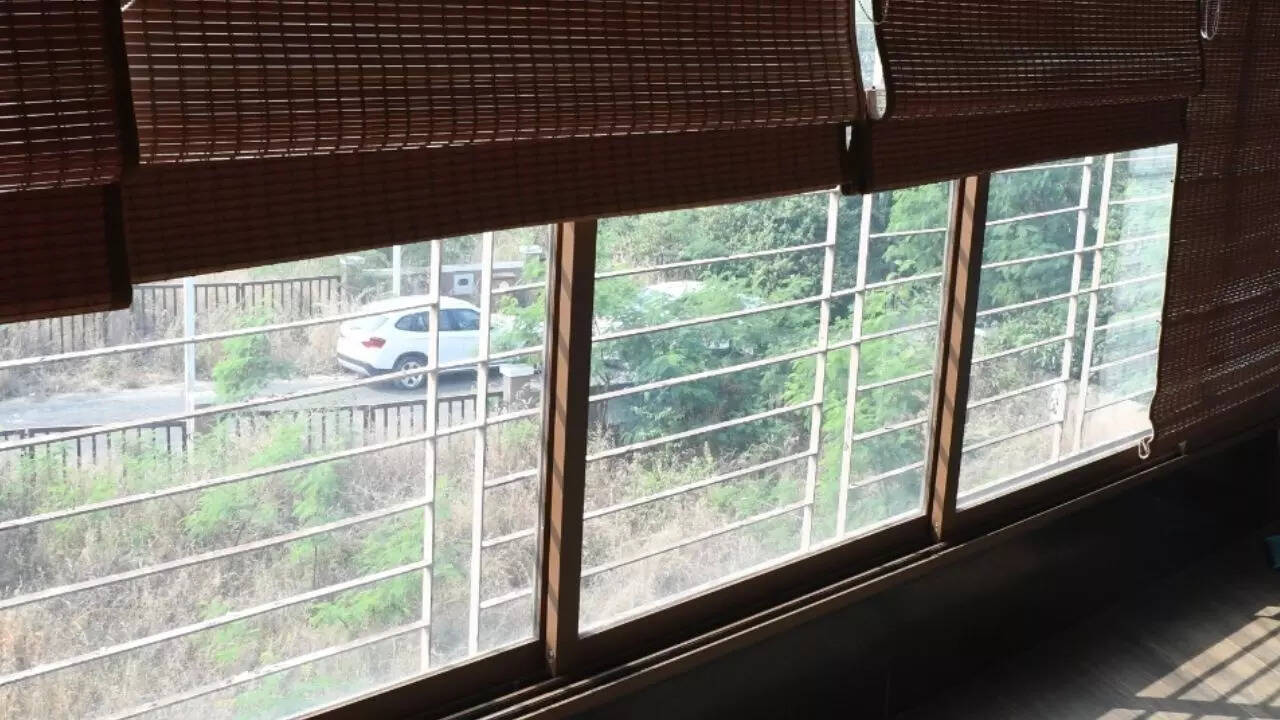
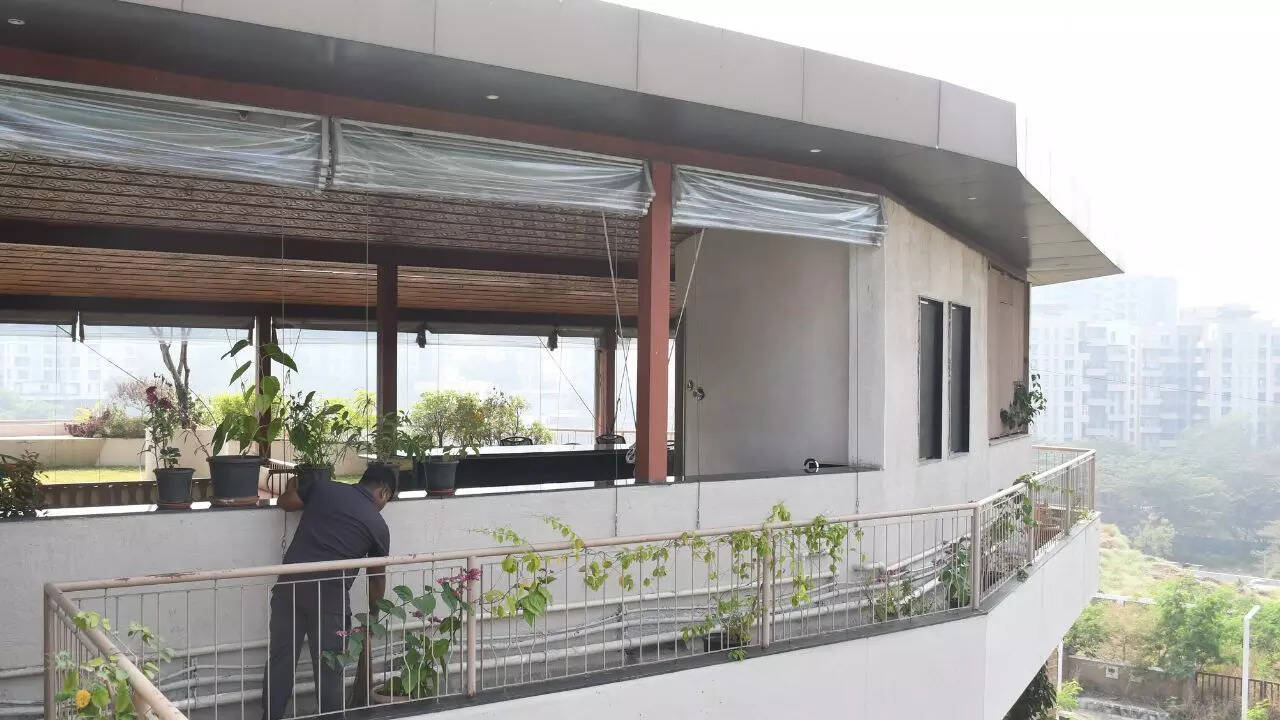
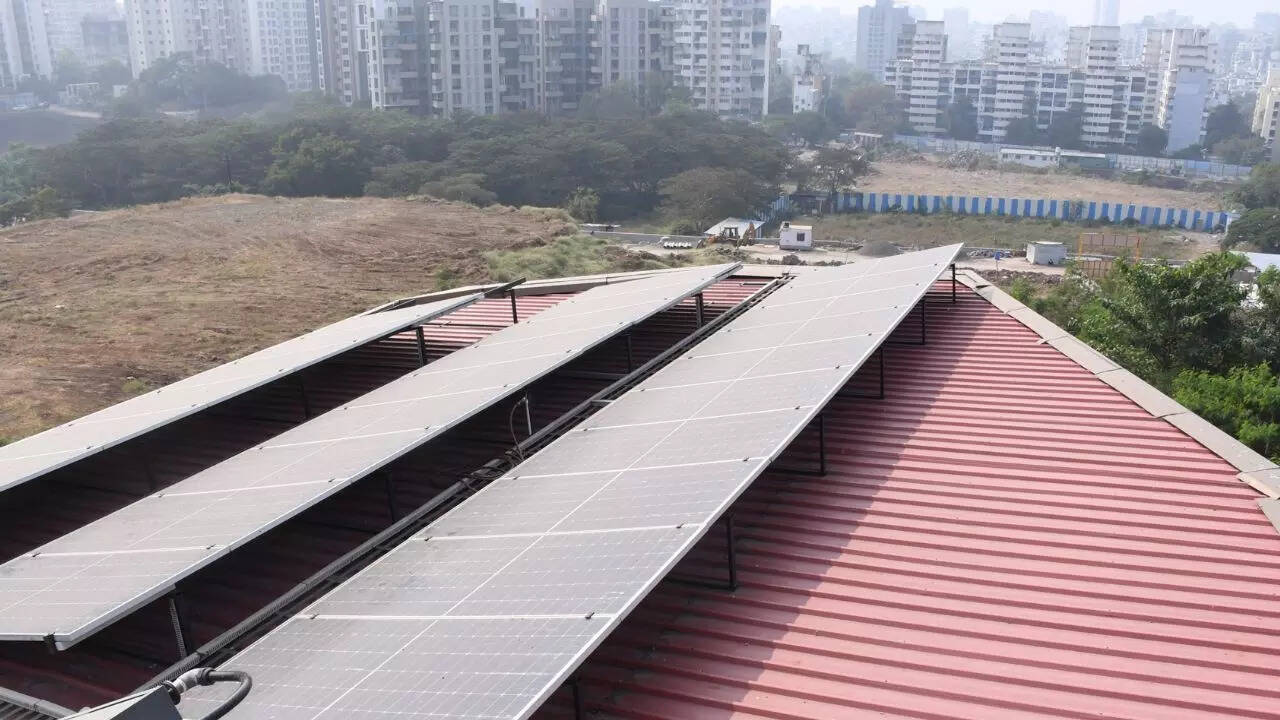
As things go, the first thing to check when building a home is the directions of the sun, wind, and monsoon. These are directions you cannot change, and orienting the house to accommodate the seasons is a smart home design move. We knew we wanted clean energy and for that, in the northern hemisphere, the roof needs to slope south- the panels oriented to catch the southern sun. The roof has a comprehensively designed solar panel system combined with inverters and batteries which are stored in the basement. The primary source of power is solar, after which we use the grid power.We knew we wanted protection from the furious summer heat in Pune. So we designed south and west facing balconies so the sun was already past 4 pm before it streamed into the living areas, the balconies protecting us from the fiercest midday heat. We also knew we needed the home to warm up on winter days. So all the bedrooms and the kitchen, where we are most active in the mornings, are east facing, catching the morning sun and warming up quickly.
The next concern was optimal use of water resources. We dug 3 borewells much before the foundation was laid and directed all the rainwater discharge from the roof and the entire plot towards these recharge borewells. We also designed a grey water filtration system to reuse all the greywater that was generated to supply water to the flush in the toilets and to water the terrace gardens. The plot had a steep slope, and we used that to our advantage to use gravity to drive the Grewal water through the various layers of filtration mediums. It helps that there is a very attractive floral plantation in these tanks, adding great joy and beauty to the surroundings.The third aspect was roofs. We designed green roofs.
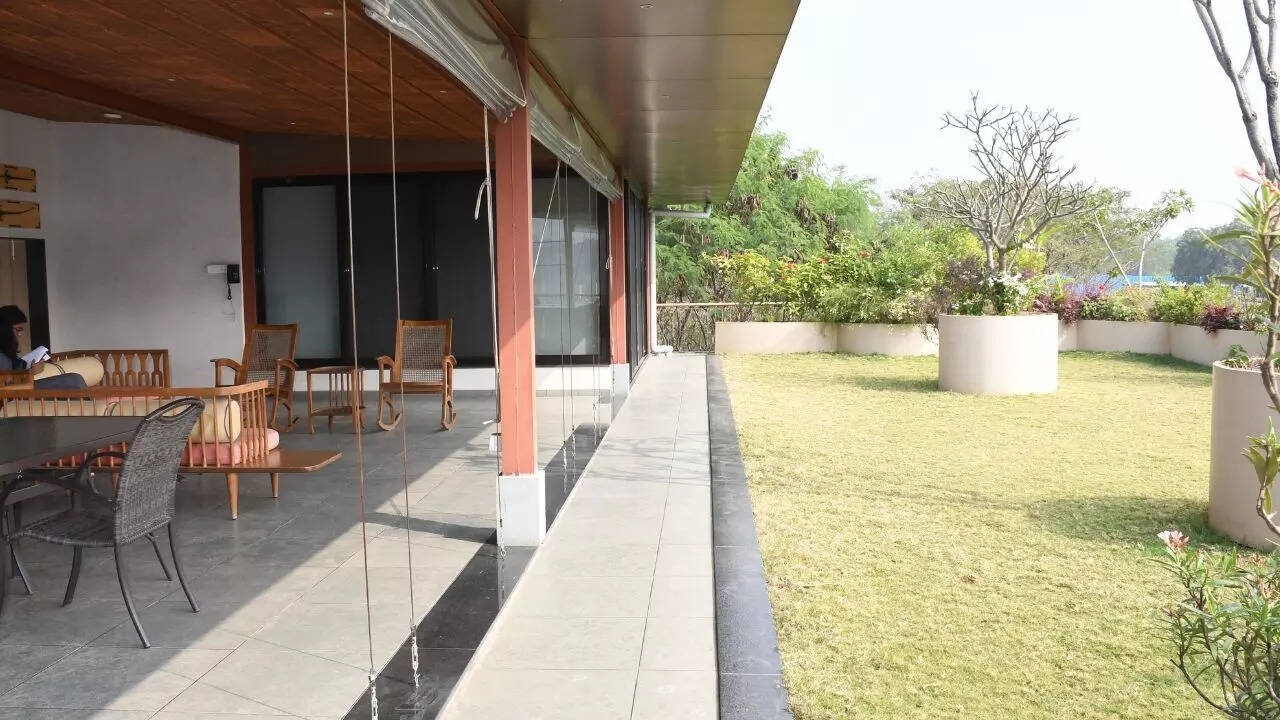
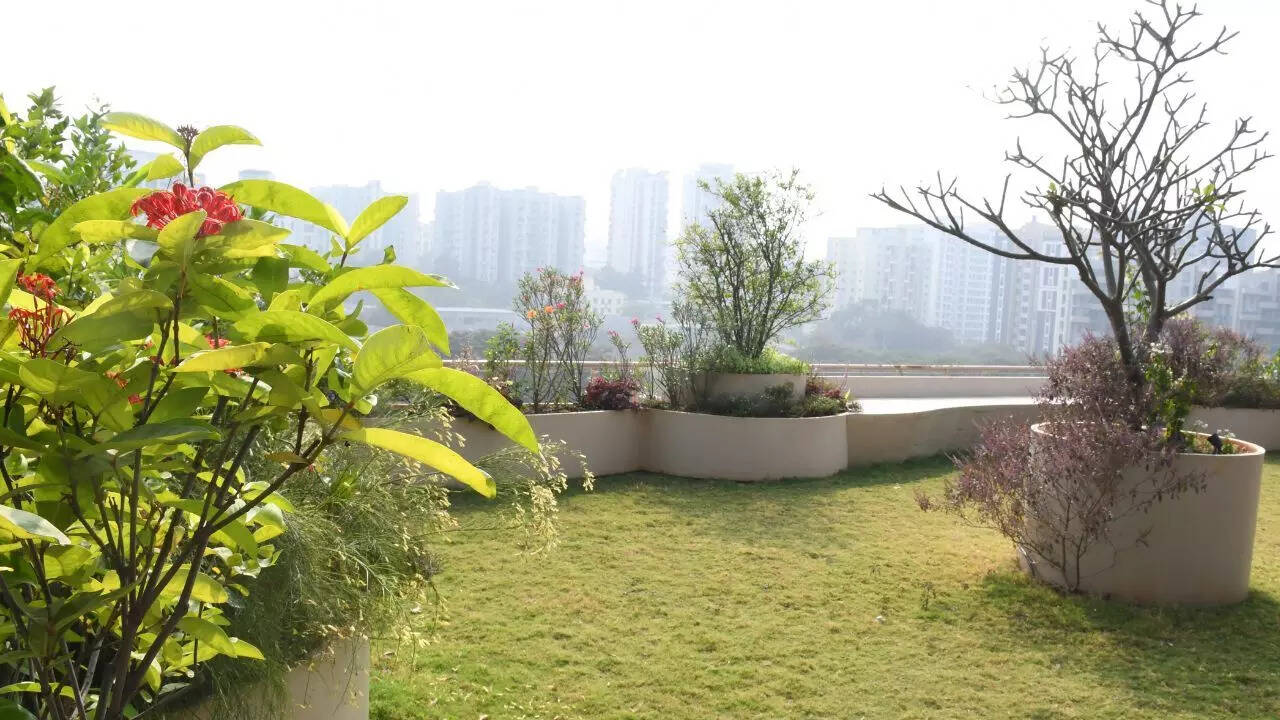
Planning for orchards and fruit trees on the terraces to catch the full sun. However, we did not add to the load burden of the building nor raise structural costs by reinforcing greatly the slabs. We instead intelligently used the already designed load-bearing columns to take the load of the existing plantation. The lawns are kept at a minimum as they guzzle water, and the variety used is drought-proof to ensure water usage is contained.
The air conditioning system was another feature in which we had to ensure there was fresh intake of air and that the cooling gasses were certified as ‘green,’ and we used the HVAC technology, which is energy efficient.The materials used in the construction all abide by IGBC standards for a green building. And all finishing materials are sourced from within a specified radius- made not just in India, but if i am not wrong on this fact, from within 400 km radius.
The best and most fun part of this sustainable home is that all the loose furniture is refurbished and reused. I was very worried about the clash of styles which would ensue from using this collection of furniture in different styles and from different eras but in my view it has come together really well, making our home full of precious furniture handed down from loved ones and makes for a very warm and welcoming home.
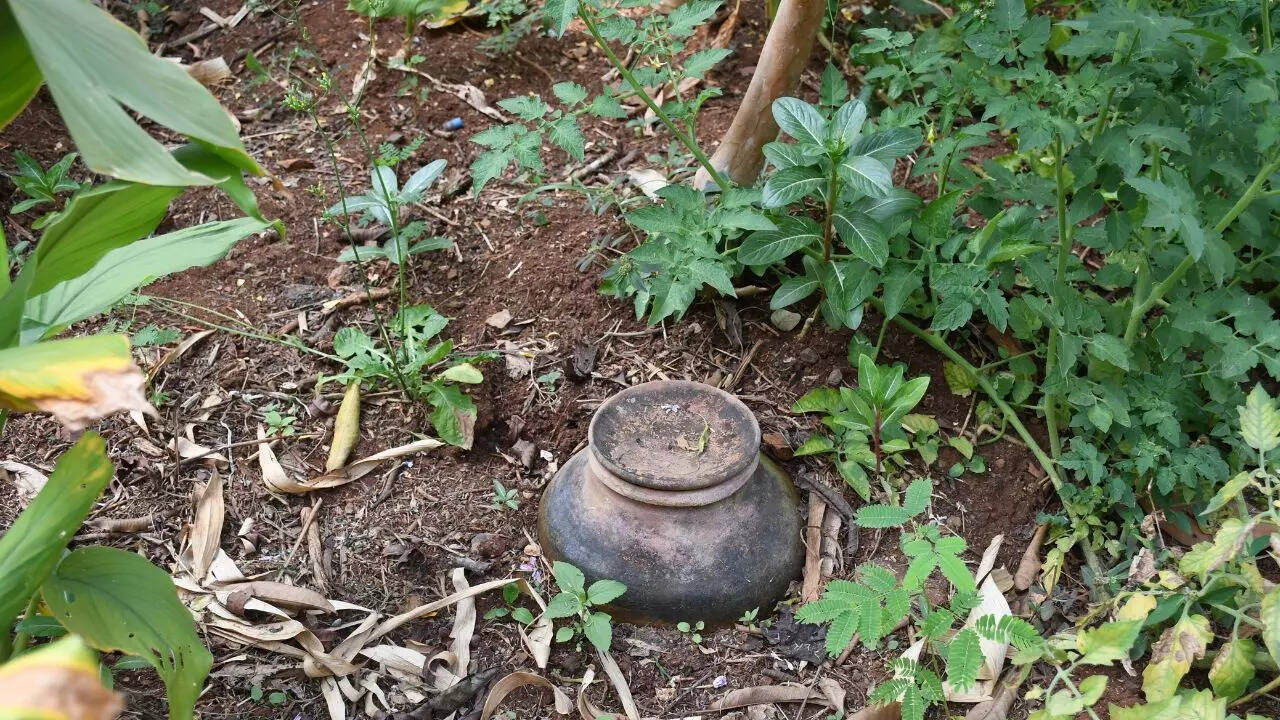
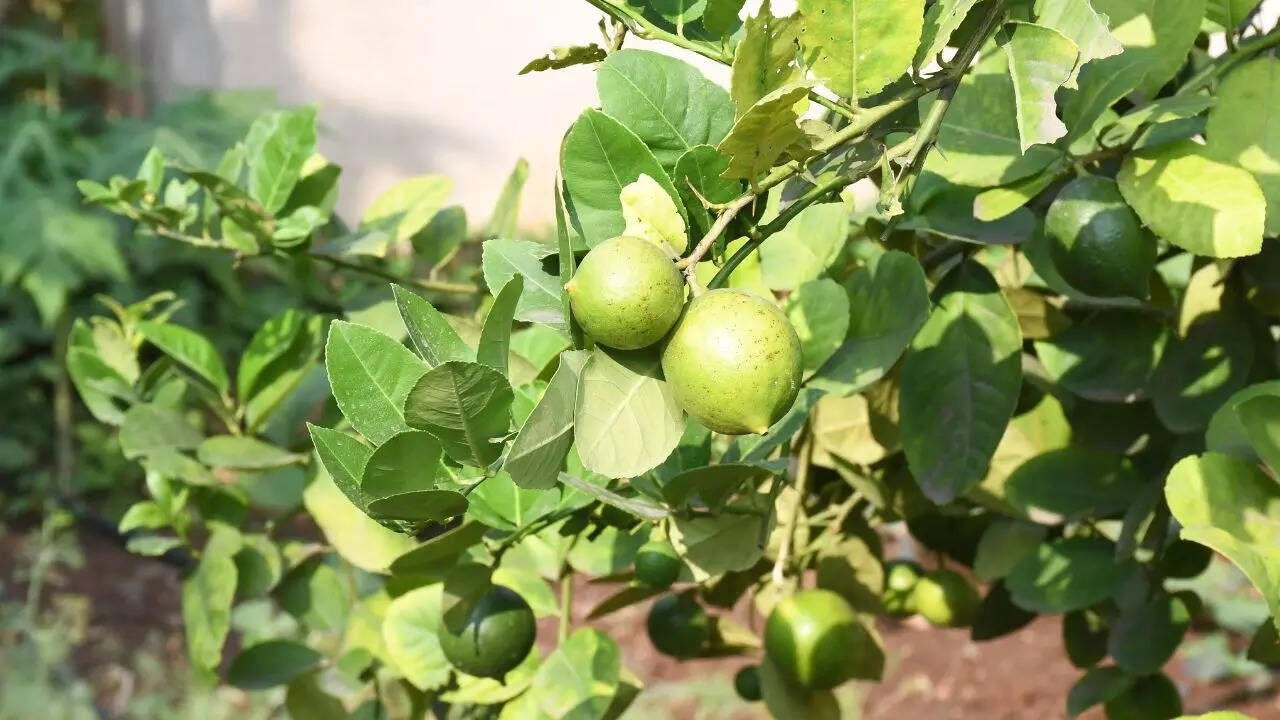
The gardens-my pride and joy here in Kamal bungalow. It is the vegetable garden, the food forest which houses my fruit garden which is my joy. Every tree is local and grows well in this climate. We planted lots of flowering shrubs and trees so our bees could have food through the year. Yes, we have bee boxes too!
We have a very real productive garden growing fruits, vegetables and flowers in all seasons. We do eat from our garden for large parts of the year and our free range chickens give us the eggs for our breakfast meal while giving great quality manure for the garden.It is an interdependent and interactive ecosystem in a very small urban plot. Every year that goes, the garden gets more robust and healthy, with the produce multiplying every year.