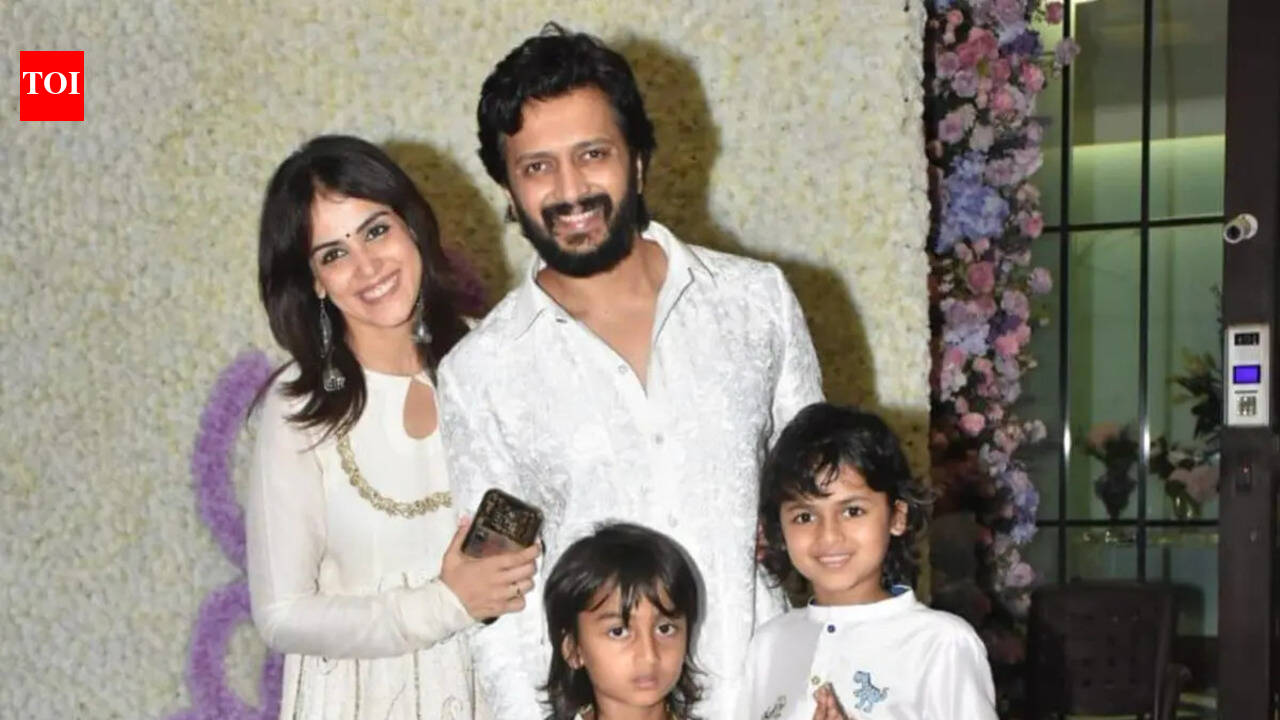
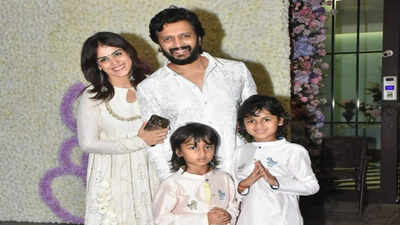
A quote attributed to Genelia D’Souza and circulating on social media has struck a nerve: “Society calls mothers ‘superheroes’ to glorify their exhaustion instead of easing their burden.” The line has been shared widely in entertainment posts and social feeds, with the message landing squarely in a larger conversation about the pressure placed on mothers to do everything, all the time.The remark fits a pattern in Genelia’s recent public comments about parenting. In a March 2026 social-media post, the actor, who is a mother of two sons, Riaan and Rahyl, encouraged mothers to “focus on progress, not perfection,” framing motherhood as a steady process rather than a performance. In a separate interview earlier this year, she spoke candidly about the daily challenge of raising two children with different personalities and said she often finds herself adapting her approach as a parent.
15 Jun 2026 | 12:57
Is spending lakhs on a child’s birthday party reasonable or insane?
That is why the “superhero” line has resonated. It does not reject admiration for mothers; it questions the habit of turning praise into a kind of pressure system. In Genelia’s framing, calling mothers invincible can become a way of normalising fatigue, guilt and emotional overwork instead of making room for support, rest and shared responsibility. That interpretation is consistent with the broader tone of her recent parenting remarks, which emphasise honesty over perfection.
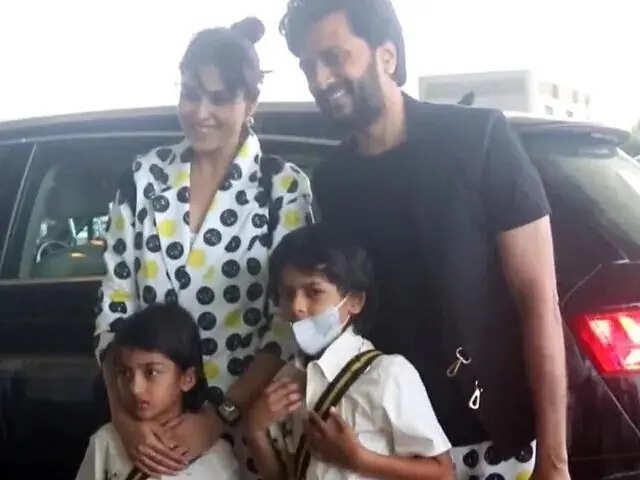
Many parenting experts have long argued that the language used around motherhood matters because it shapes expectations. When mothers are repeatedly described as selfless superheroes, the image can sound empowering on the surface, but it may also leave little room for ordinary human needs. Rest, frustration, uncertainty and even mistakes can begin to feel like personal shortcomings rather than normal parts of raising children. In that environment, many women find themselves trying to live up to an impossible standard.The conversation has gained momentum in recent years as more mothers, including public figures, have spoken openly about burnout and the invisible labour that often accompanies parenting. Beyond childcare itself, mothers frequently manage schedules, school responsibilities, emotional support and household planning, tasks that are essential but rarely recognised in the same way as visible achievements. The result is that many women are praised for coping rather than supported in ways that would make coping less necessary.Genelia’s comments tap into this broader shift. Instead of celebrating endurance alone, the discussion is moving toward sustainability. The question is no longer whether mothers are capable of extraordinary effort, but whether society should continue expecting that effort without providing adequate support. That distinction may seem subtle, but it changes the conversation from admiration to accountability.
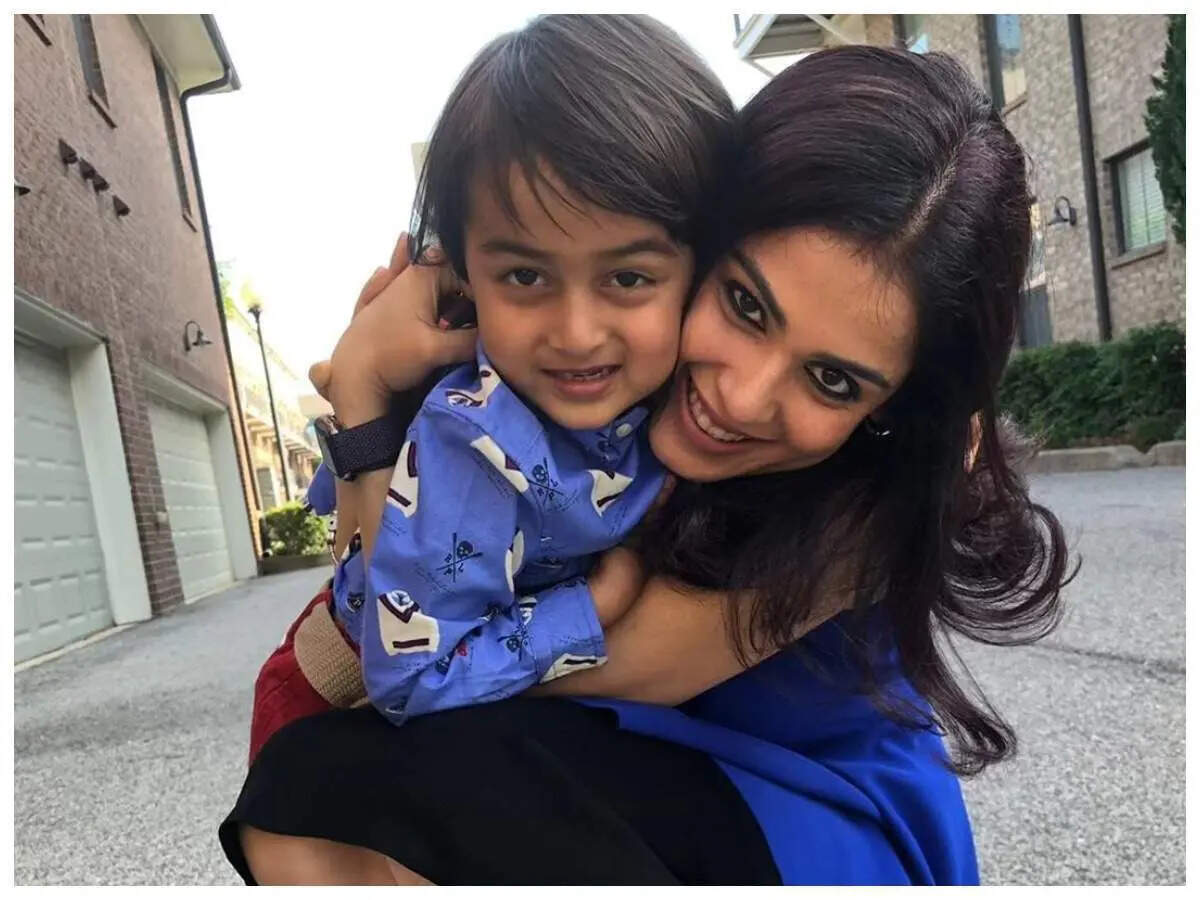
Genelia’s message also lands at a time when celebrity motherhood is increasingly being discussed in less polished, more personal terms. Her recent comments suggest that the real work of parenting is not heroic spectacle but repetition, adjustment and emotional labour. By questioning the “superhero” label, she is pushing a simpler idea: mothers do not need myth-making as much as they need practical support, and children do better when that truth is said out loud.For parents, the takeaway is not to stop celebrating mothers but to rethink what support really looks like. Praising a mother for “doing it all” may sound complimentary, but it can also reinforce the expectation that she should carry the entire load without complaint. A healthier approach is to share responsibilities, encourage open conversations about burnout, and create a family culture where asking for help is seen as a strength rather than a failure. Children also benefit from seeing caregiving as a shared responsibility, learning early that raising a family is a collective effort, not a one-person mission.