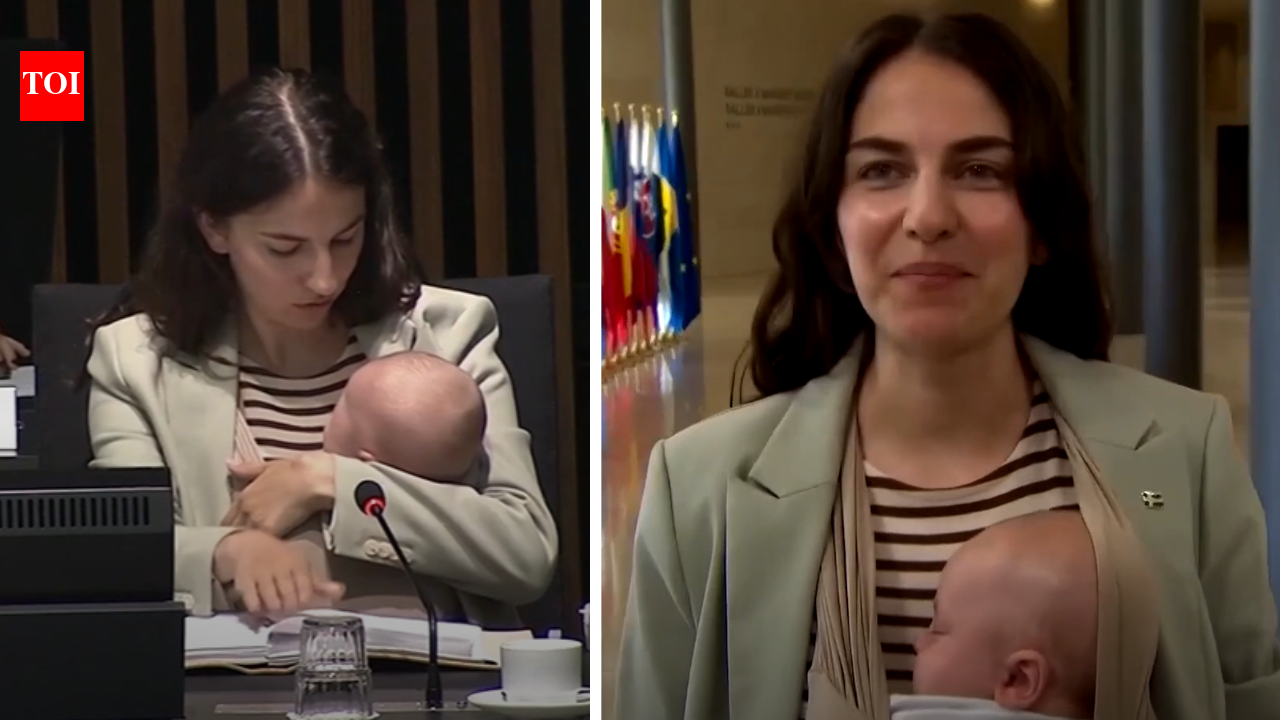
When ministers from across Europe gathered in Luxembourg on Thursday to discuss climate policies, one moment quickly stole the spotlight. Swedish climate minister Romina Pourmokhtari brought her 3-year-old son, Adam, to the EU council meeting to highlight the benefits of parental leave policies that don’t force women to choose between work and family responsibilities. And that Sweden’s parental leave system makes that possible.“I wanted to showcase being an example of not having to make that choice, which, of course, also requires having a partner that’s not a dinosaur—someone who’s quite modern and up for it to tag along,” she told Reuters.
15 Jun 2026 | 12:57
Is spending lakhs on a child’s birthday party reasonable or insane?
The EU Council confirmed it was the first time a baby had attended a meeting of EU ministers. Photographs of the 30-year-old minister sitting at the negotiating table with her baby quickly went viral across social media and sparked a conversation that goes far beyond one mother and her infant.
A baby at the negotiation table
Pourmokhtari, 30, was the youngest government minister in Sweden’s history when she took office in 2022. She has just returned from parental leave, while her husband is on leave until Sweden’s election in September and travelled with her to Luxembourg to care for Adam. The message was not simply about bringing a child to work. It was about showing what becomes possible when parenting responsibilities are shared.In many countries, including India, the conversation around working mothers often focuses entirely on women: How will she manage? Who will take care of the baby? Should she return to work? Rarely does society ask the same questions of fathers.
How Sweden’s parental leave system works?
Sweden has one of the most generous parental leave systems in the world. Parents receive around 16 months of paid leave in total. Of this, 90 days are reserved exclusively for each parent and cannot be transferred to the other. If either parent, most often the father, doesn’t use their allotted share, those days are forfeited entirely. These non-transferable days, popularly called “daddy months,” were introduced specifically to encourage fathers to spend more time with their newborns and to shift the cultural expectation that childcare falls primarily on mothers.The policy has worked. Swedish fathers routinely take months off, and active fatherhood in the early years has become the norm rather than the exception. Pourmokhtari credits this structure, combined with support from her team, with making it “much less controversial” for her husband to step back from work while she returned to hers.
Why this matters beyond Sweden?
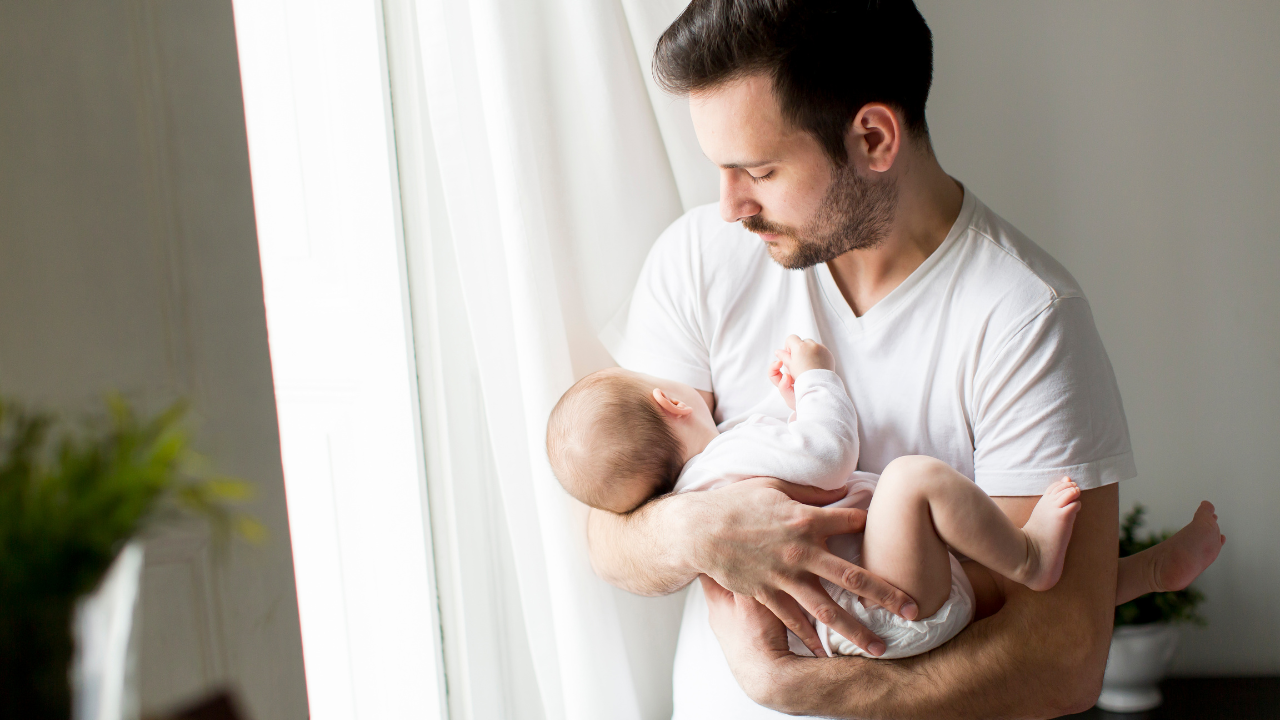
For most parents around the world, particularly mothers, Pourmokhtari’s act in Luxembourg will sound something not normal. The pressure that working parents, and especially working mothers, face is rarely about ambition or ability. It’s about structure. In the absence of adequate parental leave, flexible policies, and affordable childcare, families are left to manage an impossible equation on their own. Someone has to give, and in most countries, that someone is almost always the mother.What Sweden has done differently is remove the forced choice at a policy level. The “daddy months” are a smart choice. The downstream effects of this are significant. Children benefit from bonding with both parents early. Mothers are not automatically derailed from their careers at the moment they give birth. And fathers, having spent real time as the primary caregiver, tend to remain more involved as children grow older.Pourmokhtari herself was careful to point out that longer leave periods alone are not enough. She urged governments to also look at flexible rules around how parents share leave, and at making childcare genuinely affordable.The image of a baby at an EU negotiating table is easy to smile at. But what it quietly asks of every government watching is a harder question: what would it take for parents in your country to not have to choose?