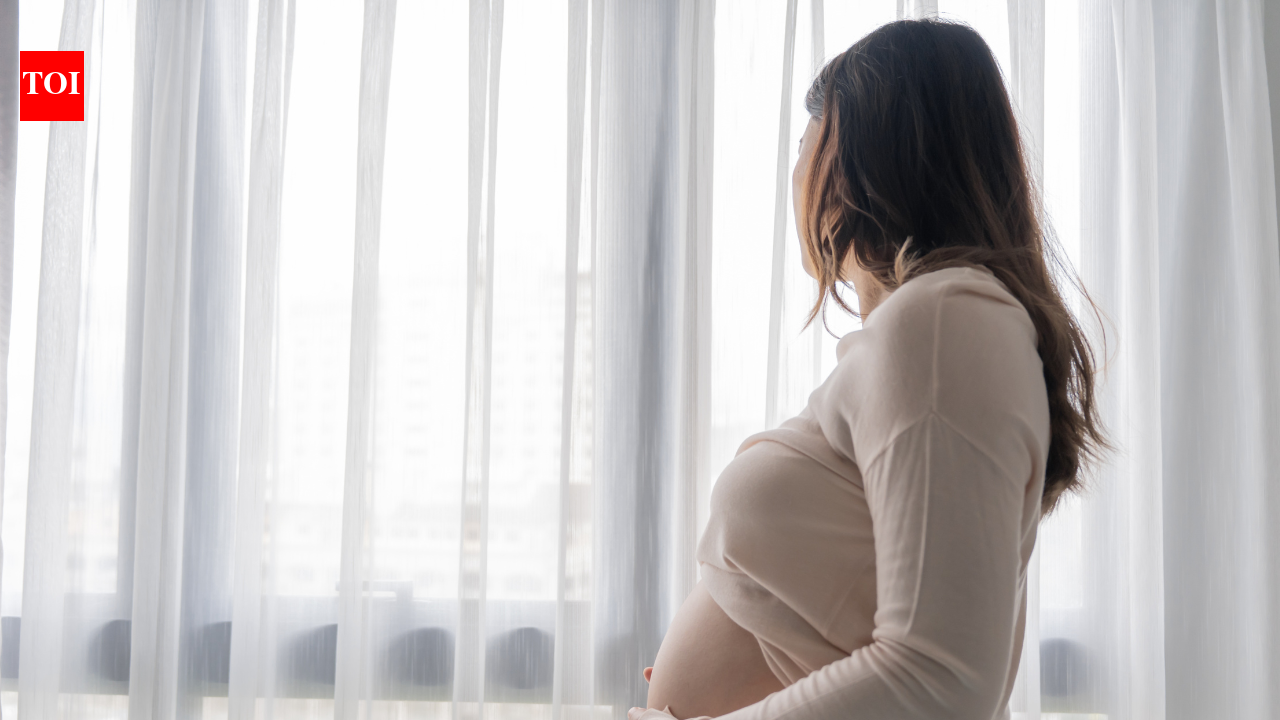
A viral Instagram post by creator @ayatzaviyar has reignited an interesting discussion about pregnancy, work culture and the different ways societies care for expecting mothers. In the post, the creator recounts asking a Chinese colleague why he rarely saw pregnant women in public while living in Shanghai for nine months. The answer, he says, changed the way he viewed pregnancy. According to the post, the colleague explained that many pregnant women in China deliberately reduce public appearances during the later months of pregnancy, choosing rest, family support and a quieter lifestyle over maintaining a busy social schedule. The post has resonated with thousands online, with many praising the emphasis on maternal wellbeing, while others pointed out that the reality varies widely depending on where a woman lives, her job and her family’s circumstances. So, is there any truth behind the idea that pregnant women in China are less visible? The answer is more nuanced than a simple yes or no. Scroll down to read more…
The viral claim reflects a cultural belief, not a universal rule
China does not have any law that asks pregnant women to stay indoors or avoid public spaces. In fact, millions of women continue working, travelling and carrying on with their daily routines throughout pregnancy.
3 Jul 2026 | 12:38
How do you teach children about money and financial responsibility?
However, traditional Chinese culture has long placed a strong emphasis on protecting mothers during pregnancy. Families often encourage women to avoid unnecessary physical strain, prioritise rest and accept help from relatives whenever possible. In many households, pregnancy is viewed as a period of conserving energy rather than proving resilience. This cultural mindset is likely what the Instagram creator’s colleague was referring to. In some families, especially where grandparents play an active caregiving role, expecting mothers may choose to step back from hectic routines during the later stages of pregnancy.
Family support plays a much bigger role
Unlike many countries where couples often manage pregnancy largely on their own, Chinese families frequently become deeply involved. Parents and in-laws may move in temporarily, assist with meals, accompany medical appointments and help reduce household responsibilities. The expectation is not necessarily that women should disappear from public life, but that they should avoid unnecessary stress whenever possible.
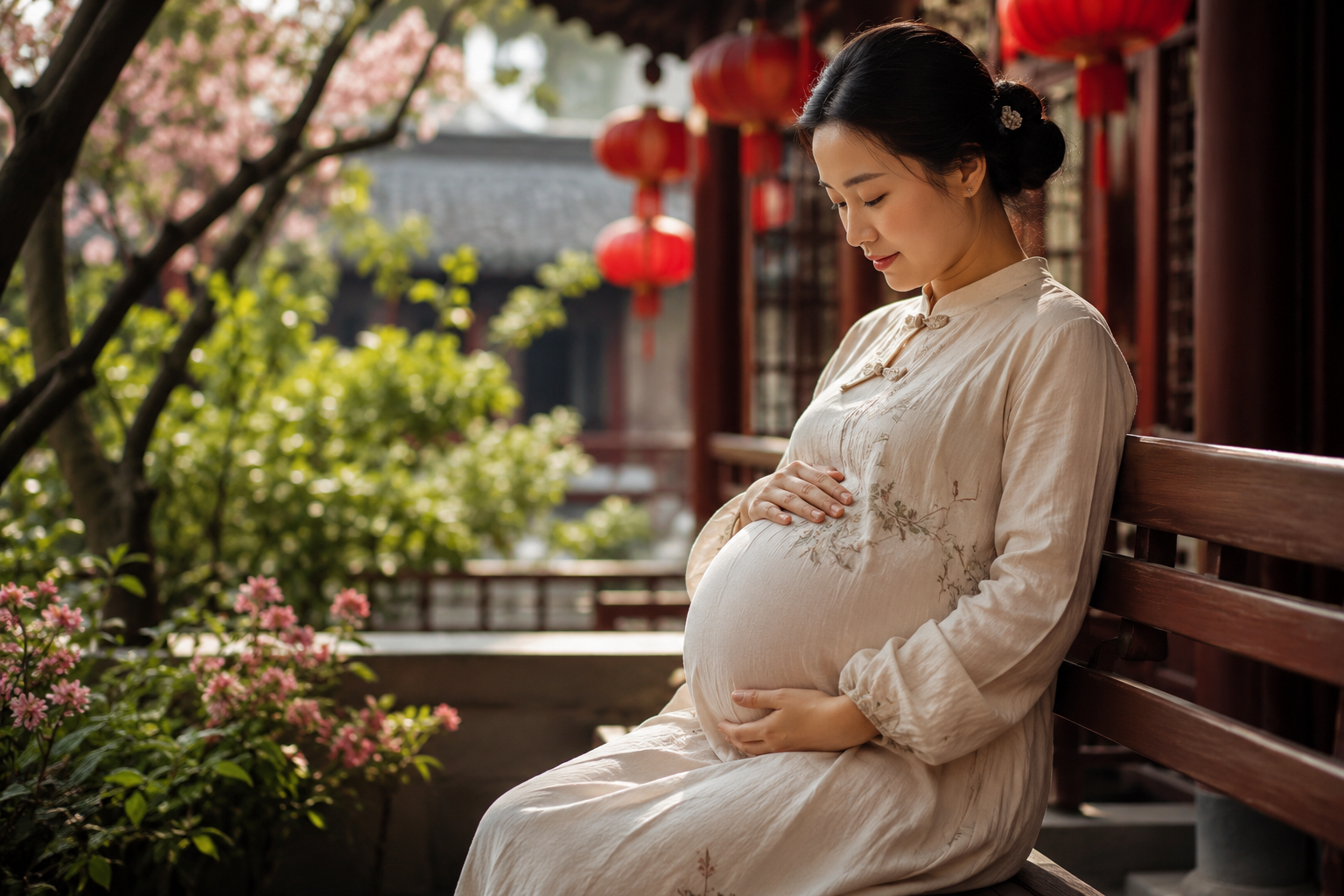
This support often becomes even more visible after childbirth through the well-known tradition of “zuo yuezi,” or “sitting the month.” During this postpartum recovery period, many new mothers spend about 30 days focusing almost entirely on healing while family members take over cooking, cleaning and newborn care. Although the viral post discusses pregnancy rather than postpartum recovery, both practices reflect the same underlying belief: maternal health deserves dedicated care.
Rest during pregnancy has real health benefits
Medical experts agree that adequate rest is important during pregnancy, though it doesn’t necessarily mean avoiding work or staying indoors. The body undergoes enormous physical changes as it supports a growing baby. Hormonal shifts, increased blood volume, weight gain and changes in metabolism can all contribute to fatigue. Getting enough sleep, reducing excessive physical stress and maintaining a healthy work-life balance can support both maternal and fetal health.At the same time, organisations such as the World Health Organization encourage healthy pregnancies to include regular physical activity, appropriate prenatal care and social engagement where medically safe. Remaining active, unless advised otherwise by a healthcare provider, is generally considered beneficial.
Pregnancy looks different in every society
One reason the Instagram post has attracted so much attention is because it highlights a striking cultural contrast. In many countries, especially in urban workplaces, pregnant women often continue commuting, attending meetings and working until close to their due dates. For some, this reflects financial necessity. For others, it represents personal choice, professional commitment or supportive workplace policies that allow them to continue safely.
In contrast, some Asian cultures place greater value on slowing down, accepting family support and reducing outside responsibilities whenever possible. Neither approach is universally right or wrong. Every pregnancy is different, and so are the medical needs, family structures and financial realities surrounding it.
The bigger message behind the viral post
Perhaps the reason this story has resonated so widely isn’t really about China at all. It’s about the way modern societies often celebrate endurance. Working until the last possible day, never asking for help and pushing through exhaustion are frequently praised as signs of strength.
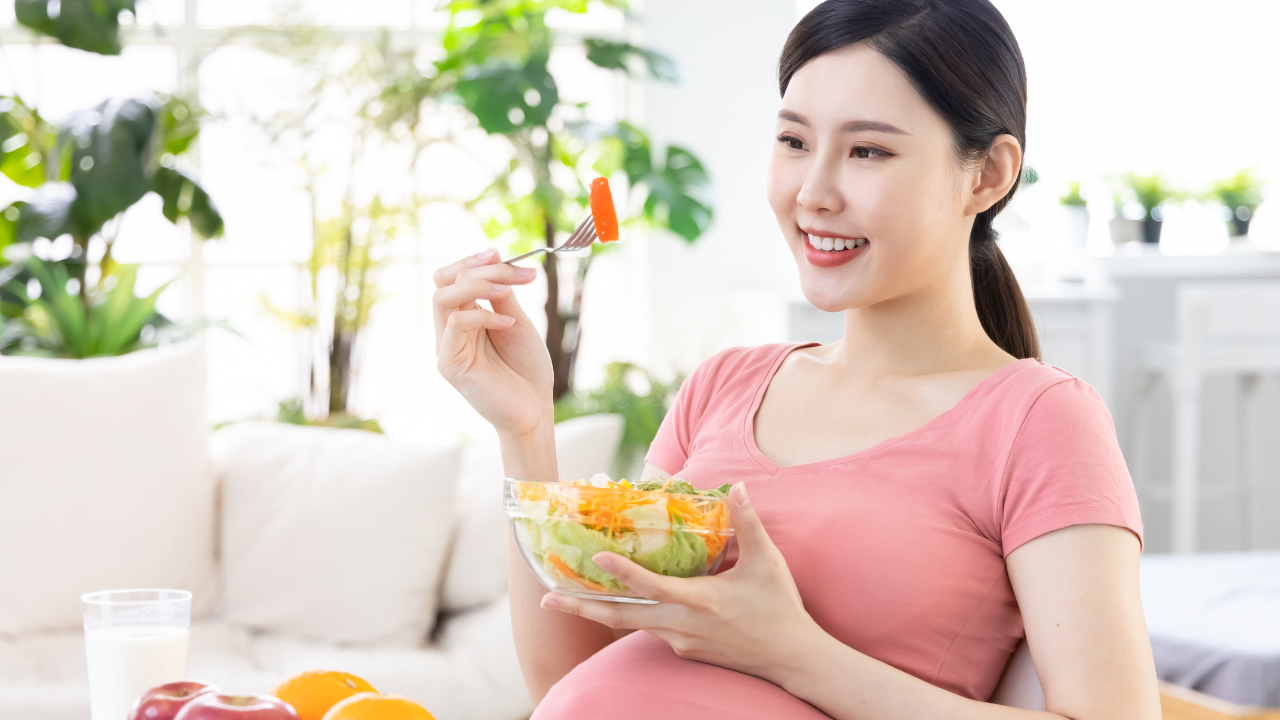
The viral post asks readers to consider another perspective: what if protecting your energy is also a form of strength? Whether or not pregnant women are truly less visible in China depends on region, occupation and individual choice. But the conversation has reminded many people that pregnancy is not simply another phase of productivity. It is one of the body’s most demanding journeys, and every woman deserves the freedom to decide how visible, active or rested she wants to be during that time.