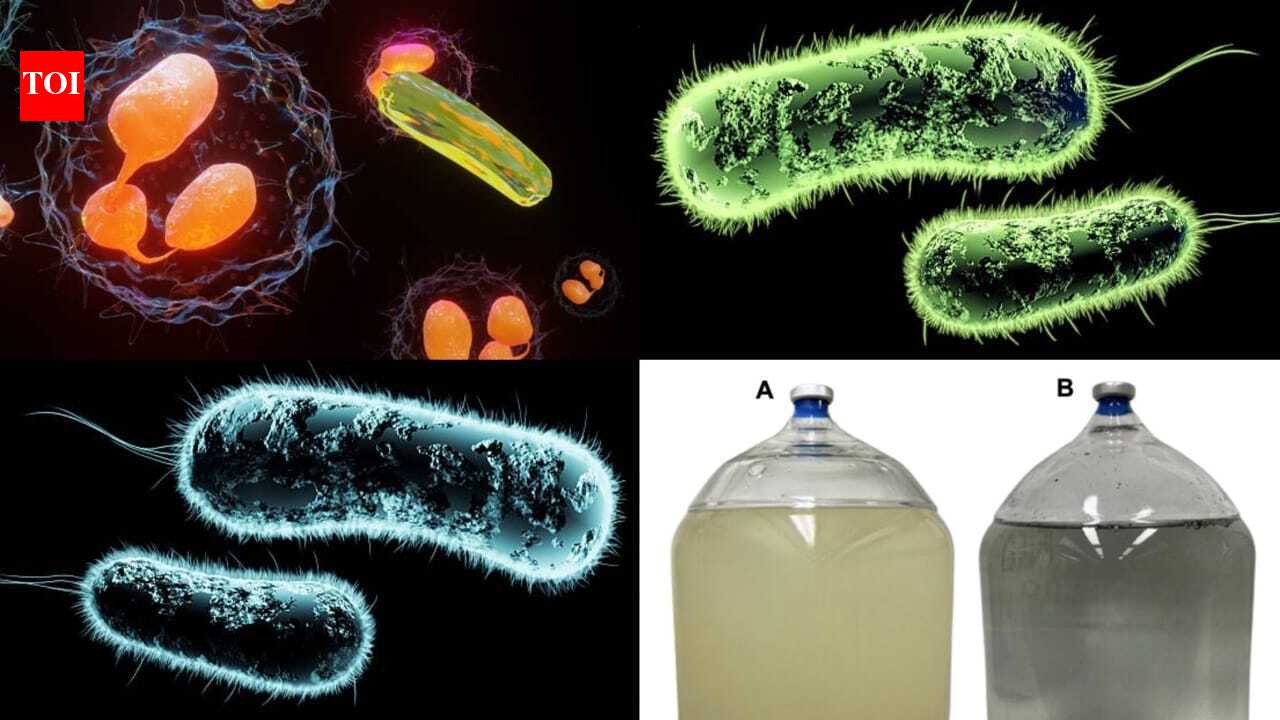
An amazing scientific breakthrough discovered that some natural bacteria living in the waters of a flooded uranium mine may be a new approach to dealing with radioactive pollution. As per a study, scientists found out that the microbes are capable of altering the form of the dissolved uranium in such a way that makes the water less hazardous. As per the study published in Nature Communications by scientists of the Helmholtz-Zentrum Dresden-Rossendorf (HZDR), Germany, and the University of Granada, Spain that the amount of dissolved uranium was lowered to just around five percent in experimental mine water samples within 130 days of observation.
An unexpected discovery inside a former uranium mine
The discovery was made in the flooded underground tunnels of the former uranium mine called Wismut GmbH Schlema-Alberoda mine, which was one of the largest in the world in the times of Soviet East Germany. After being closed in 1990 due to German reunification, the mine became flooded with radioactive water, which demands treatment. Scientists researching the flooded uranium mine noticed that the harsh environment did not prevent a thriving community of microorganisms from adjusting to life in the radioactive water.
Survival of microbes in radioactive waters
Although uranium is highly radioactive and dangerous to human beings and wildlife, some bacteria evolved in a way that they are capable of surviving in such a hostile environment. Moreover, it seems that some bacteria use dissolved uranium for their metabolic processes. The discovery opens up an interesting perspective to study whether nature itself could be useful in neutralising radioactive contamination of the ecosystems.
Feeding the microbes makes them do their magic
In order to observe how the microorganisms behave, the researchers gathered water samples from the facility treating the mine water and simulated underground environment in the laboratory. Bacterial community was fed with glycerol, which is a rich source of carbon. After having been fed, the bacteria started converting dissolved uranium into another state. Scientists state that this is the first time when they witnessed bacteria that converts toxic uranium dissolved in water into a more stable state by feeding on glycerol.
A rare state of uranium is created
During the process, scientists observed conversion of uranium into a rare pentavalent state of uranium, also called uranium in the +5 oxidation state. Under normal circumstances, uranium is found in the +4 or +6 oxidation states, while the pentavalent state of uranium is extremely rare and unstable. Bacteria seemed to create the appropriate conditions for it to exist in order to take part in the subsequent chemical reactions and lock the radioactive element into a stable mineral structure.
Bacteria creates stable mineral
It turned out that bacteria created a stable compound of uranium, iron and oxygen called FeU(V)O₄. Though scientists were familiar with the mineral in a laboratory setting, no one saw how bacteria create it in nature. It means that some microorganisms are able to affect complicated chemical reactions underground, thus helping to neutralise uranium contamination.
Only five percent of the original uranium remains
One of the most amazing things scientists discovered during the experiments is the fact that the amount of dissolved uranium dramatically decreased over time. Within 130 days of observations, only about five percent of the original dissolved uranium remained in the experimental water samples. Most of the uranium either became incorporated into bacteria cells or turned into a stable mineral compound.
A promising future for environmental cleanup
Although the research is still at an early stage, scientists believe these microbes could eventually contribute to safer and more sustainable methods of cleaning contaminated mining sites. Traditional uranium remediation often requires expensive engineering solutions that continue for decades. Harnessing naturally occurring bacteria may one day complement these efforts by stabilising radioactive elements underground. More research is needed before practical applications become possible, but the discovery highlights the remarkable ability of nature to inspire innovative environmental solutions.