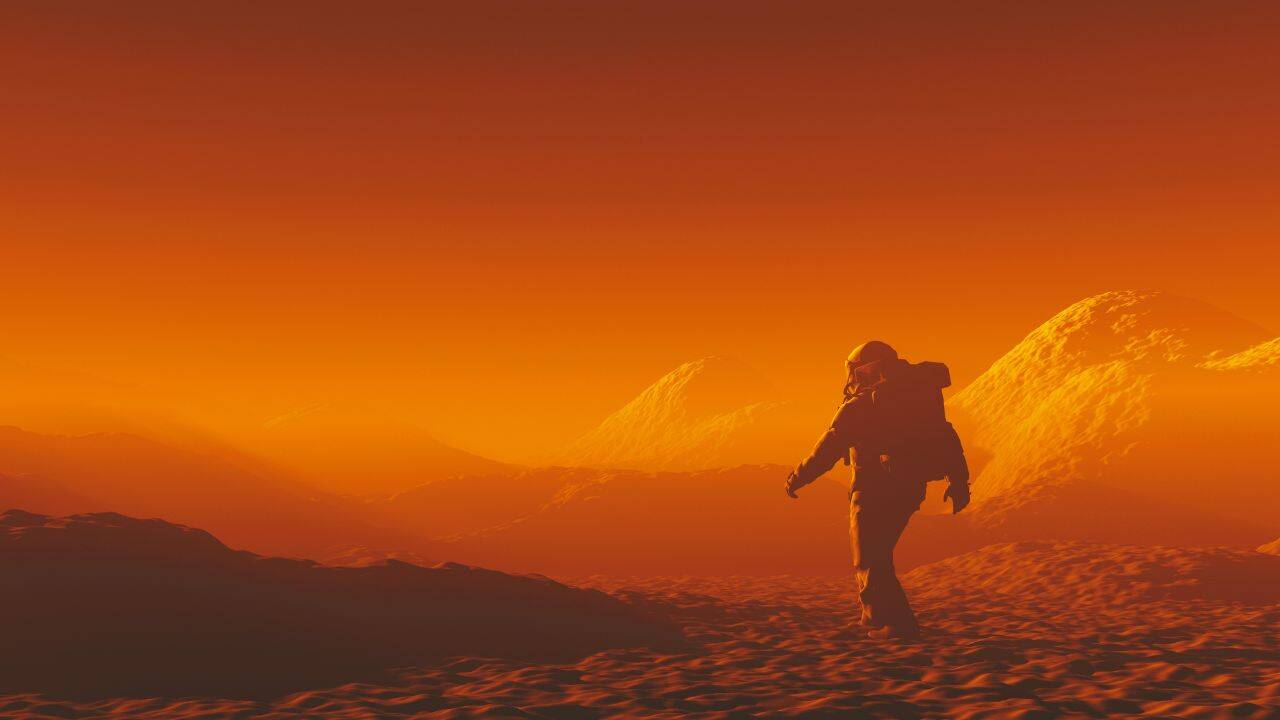
Something that used to be treated as a secret is no more a secret! China’s space programme is increasingly showing launch pads and laboratories and now becoming a larger part of tourism, art, entertainment these days. According to a Reuters report from Hainan, Beijing and Inner Mongolia documents how rocket launches are drawing tourists in large numbers. Some of the volcanic landscapes are being marketed as Mars-like destinations and astronauts are appearing in public art and commercial installations. Can you beat that!Official Chinese space agencies have also explicitly promoted the development of “space culture” through museums, education, literary and artistic works and public science programmes.A striking transformation
Space tourism (Canva)
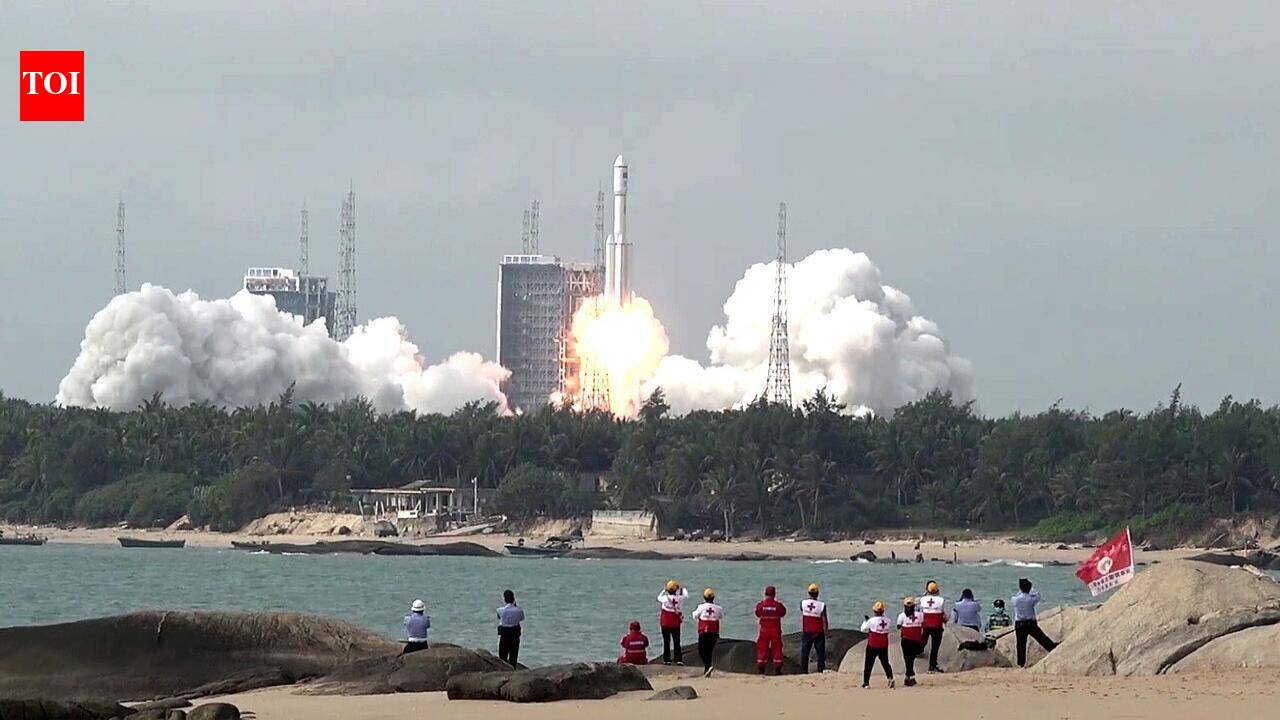
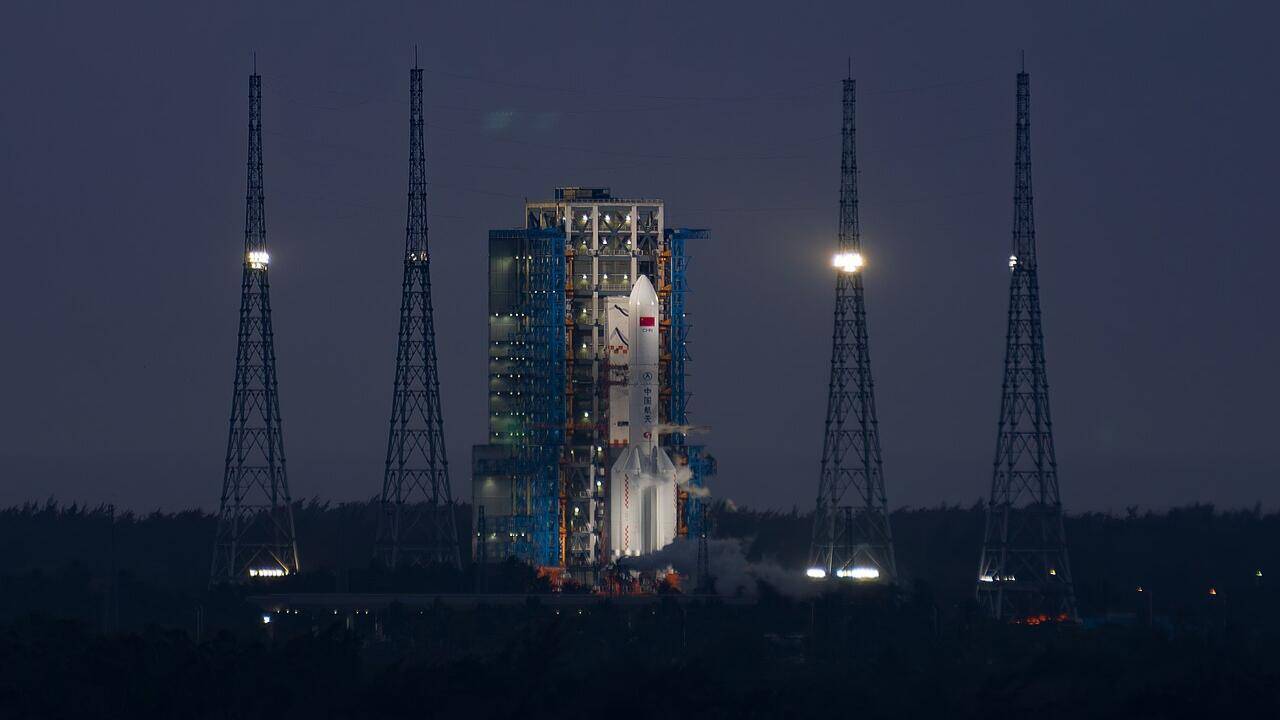
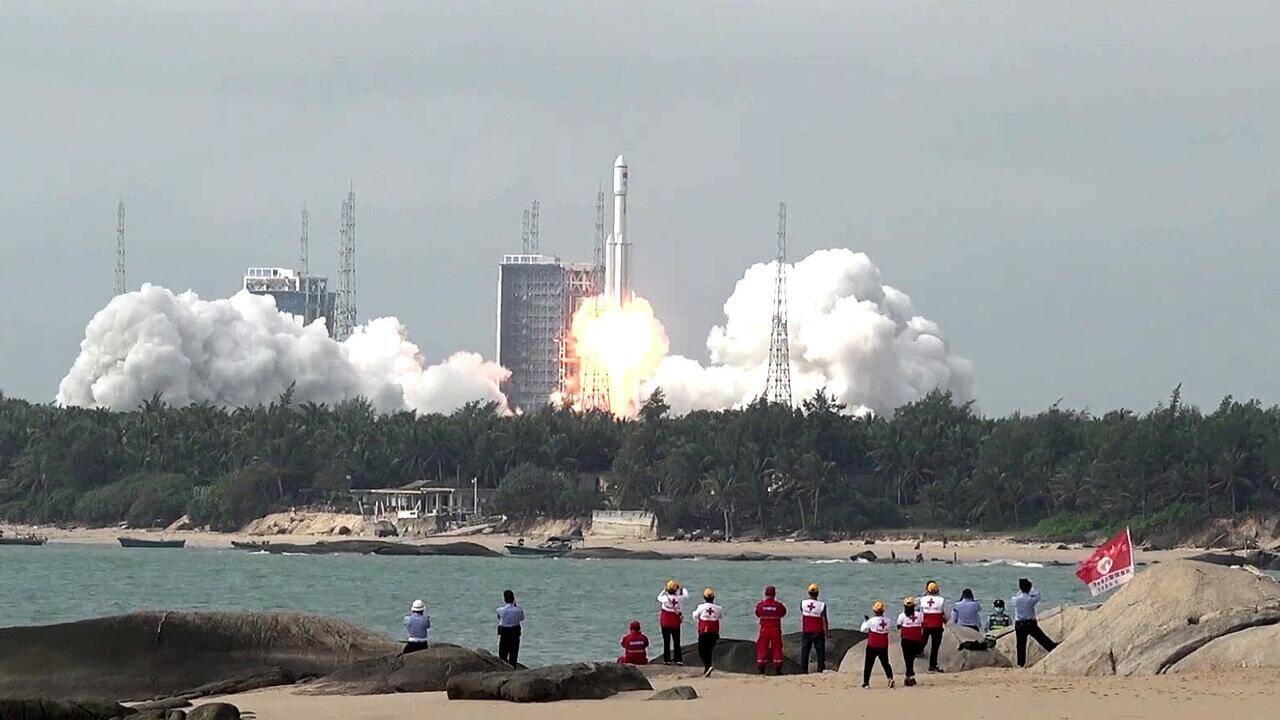
It’s a striking transformation as China’s space programme used to be associated largely with tightly controlled launches and military-linked technological development. Imagine travelling to China and witnessing a rocket launch as a tourism experience!Yes, it’s actually happening at the Wenchang Space Launch Site on Hainan Island. A Reuters report suggests that recently thousands of people gathered along beaches to watch a Long March rocket rise into the night sky. Even when a launch goes wrong, the event can resemble a public spectacle rather than a distant scientific experiment.From secretive launches to tourism experience
CZ-5 at WSLS (Wiki)
China’s journey into space has grown into something more. The country launched its first satellite, Dong Fang Hong-1, in 1970. It sent its first astronaut into space in 2003 and conducted its first spacewalk in 2008. The country completed its Tiangong space station in 2022 and has since made major advances in lunar and planetary exploration.In addition to this, China’s lunar programme has been particularly significant. Chang’e-4 achieved humanity’s first soft landing on the far side of the Moon, while Chang’e-5 returned lunar samples to Earth. China’s space agency says the latter brought back 1,731 grams of lunar material, completing the first three stages of its lunar exploration programme: orbiting, landing and returning samples.The legend behind the nameThe name Chang’e comes from the ancient Chinese legend of a woman who flies to the Moon. China’s space programme uses several names drawn from traditional mythology and philosophy. The Tiangong space station means “Heavenly Palace”, while Tianhe, the station’s core module, carries associations with harmony between heaven and humanity.Wulanhada Volcano Geological Park is being marketed as Mars
Wulanhada Volcano Geological Park (Canva)
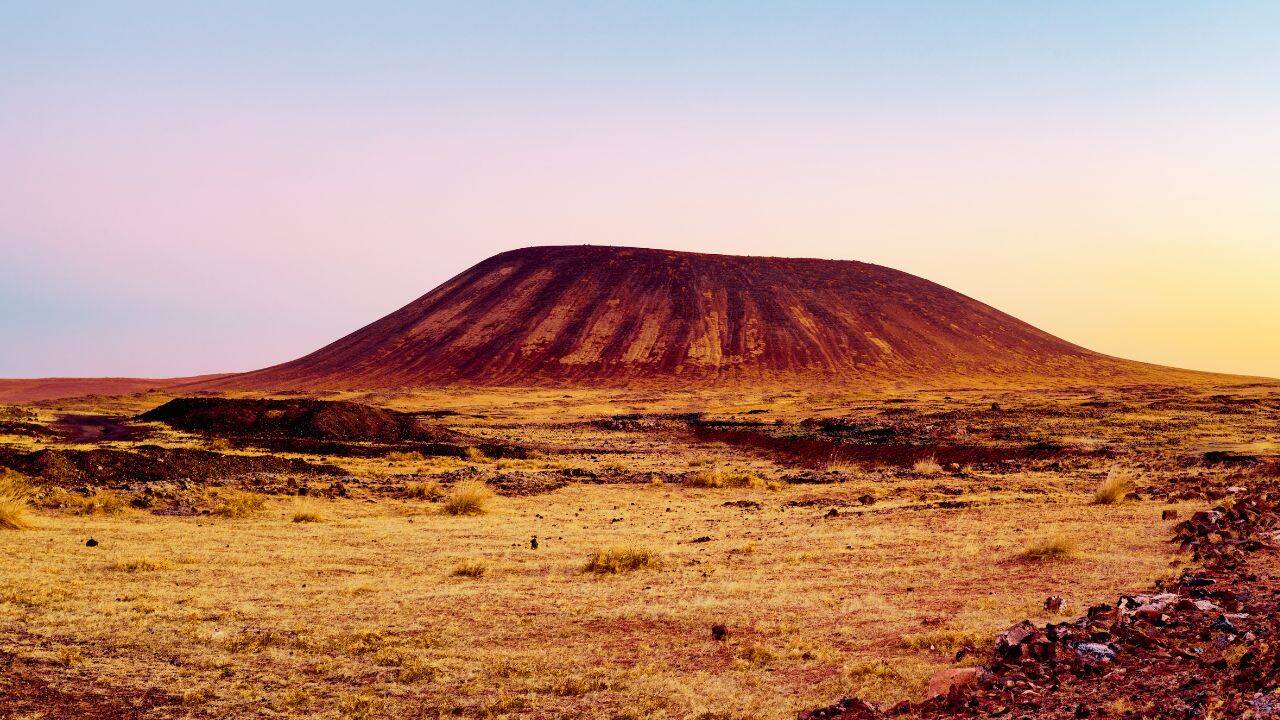
Now this is one of the most important parts of this growing popular culture. At Wulanhada Volcano Geological Park in Inner Mongolia, naturally dark volcanic terrain is being used to recreate the visual feel of Mars.The most interesting features of the place is that visitors can rent spacesuits and pose against the barren landscape. They can take pictures that look like scenes from another planet, if not Mars because the attraction is not at all equivalent to visiting Mars, of course.A new trend in destination marketingIt also reflects a broader trend in destination marketing, where unique places are marketed as immersive experiences. Volcanic rocks, spacecraft replicas and astronaut costumes create a kind of terrestrial version of space travel without requiring visitors to leave the planet.How space entered China’s art and entertainmentIn Beijing’s Songzhuang art district, artist and science-fiction writer Yang Wanting created “Resonance”, a huge sculpture depicting a sleeping female astronaut. The character is linked to a fictional future in which she travels around the universe. Also kids who watched early Chinese astronauts on television are now adults, while a younger generation is growing up with lunar probes, space stations and Mars missions as familiar subjects. That also helped.A deliberate effort to build “space culture”The China National Space Administration has said it wants to promote space education and culture through Space Day events, World Space Week activities, the Tiangong Classroom and other science platforms. It has also called for protecting important space heritage, developing space museums and experience parks, and encouraging literature and art inspired by space exploration.What it means for travellers
CZ-7 launch from Wenchang (Wiki)
For travellers, this means a new and unusual new category of tourism. They can now explore places where the future is being imagined before it arrives. A rocket launch at Wenchang, a Mars-like volcanic landscape in Inner Mongolia or an astronaut sculpture in Beijing may have little in common geographically, but they all tell the same story. And for space lovers, who can’t afford to go to the space, this is their opportunity to live their dreams.