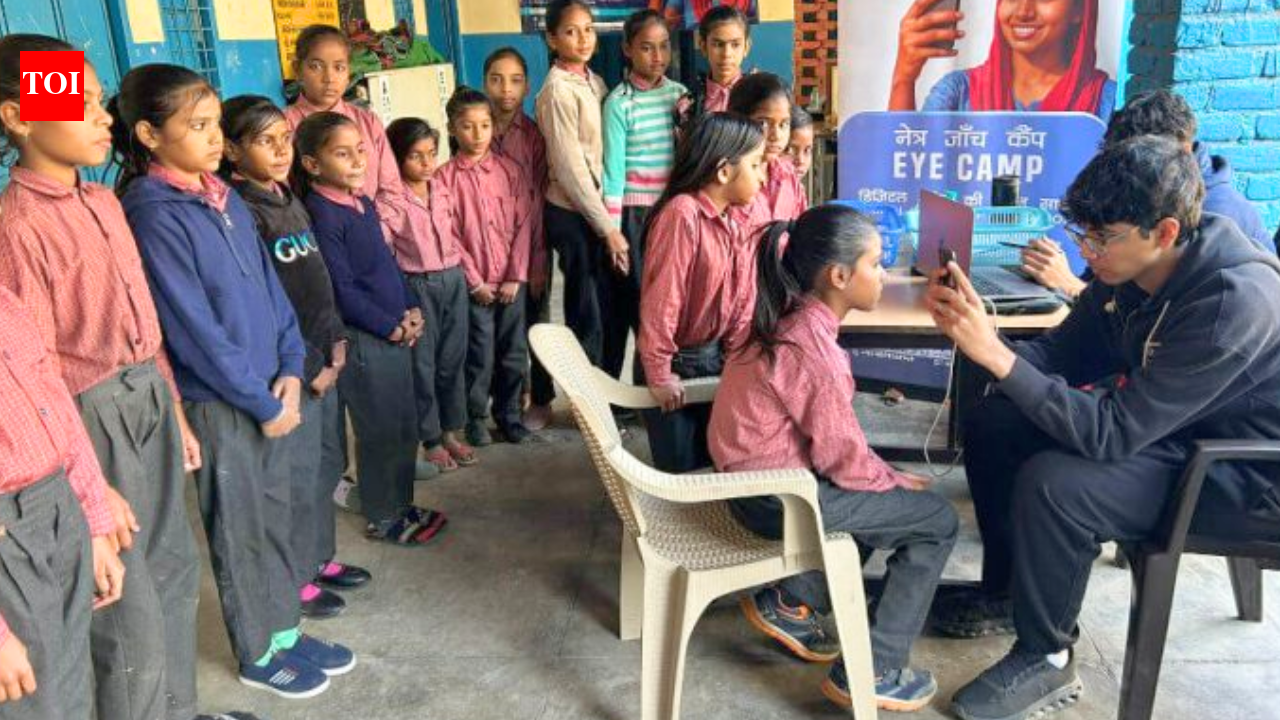
For most teenagers, weekends mean catching up with friends, playing games or simply getting away from schoolwork. For Siddhartha Manaktala, they have increasingly meant something else: travelling to government schools, villages and factories, setting up eye-screening camps and trying to find people who may be living with poor vision without even knowing it.The 17-year-old Class XII student from Gurugram has built EyeSpy, an artificial intelligence-powered smartphone platform designed to screen for seven eye diseases. What began as a self-taught experiment in coding and machine learning has since taken him into real-world communities, where he has seen first-hand how something as basic as an eye examination can remain out of reach for many people.According to ET Edge Insights, Manaktala has already screened more than 1,650 people at community eye camps across rural and suburban Haryana. An overwhelming 99% of those screened had never undergone an eye examination before. More than a quarter were found to have an undiagnosed eye disease, while over 35% had vision problems they were previously unaware of.
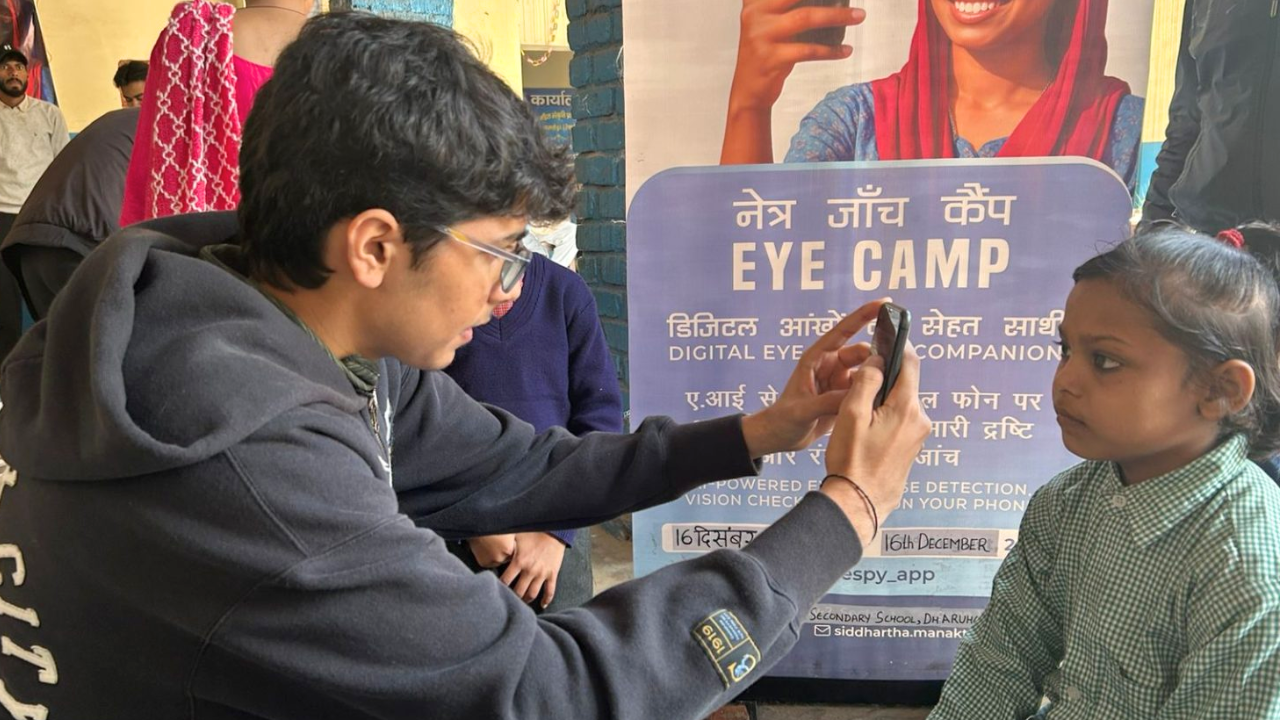
Siddhartha took EyeSpy to rural and suburban Haryana through community eye camps.
The problem that started it all
Manaktala’s interest in eye health was not entirely distant or theoretical. His grandmother had been dealing with diabetic retinopathy for years, while both he and his father have high corrective prescriptions. Before developing EyeSpy, he surveyed more than 200 low-income and elderly people around Gurugram and found that only three had ever visited an ophthalmologist, ET Edge Insights reported. That experience made him look at the problem differently.India has a huge burden of eye disease, but diagnosis often comes too late, particularly for people living in communities where specialist healthcare is difficult to access. For Manaktala, the question was simple: if smartphones can reach places where specialist clinics cannot, could they become the first step towards identifying people who need professional eye care? That question eventually became EyeSpy.
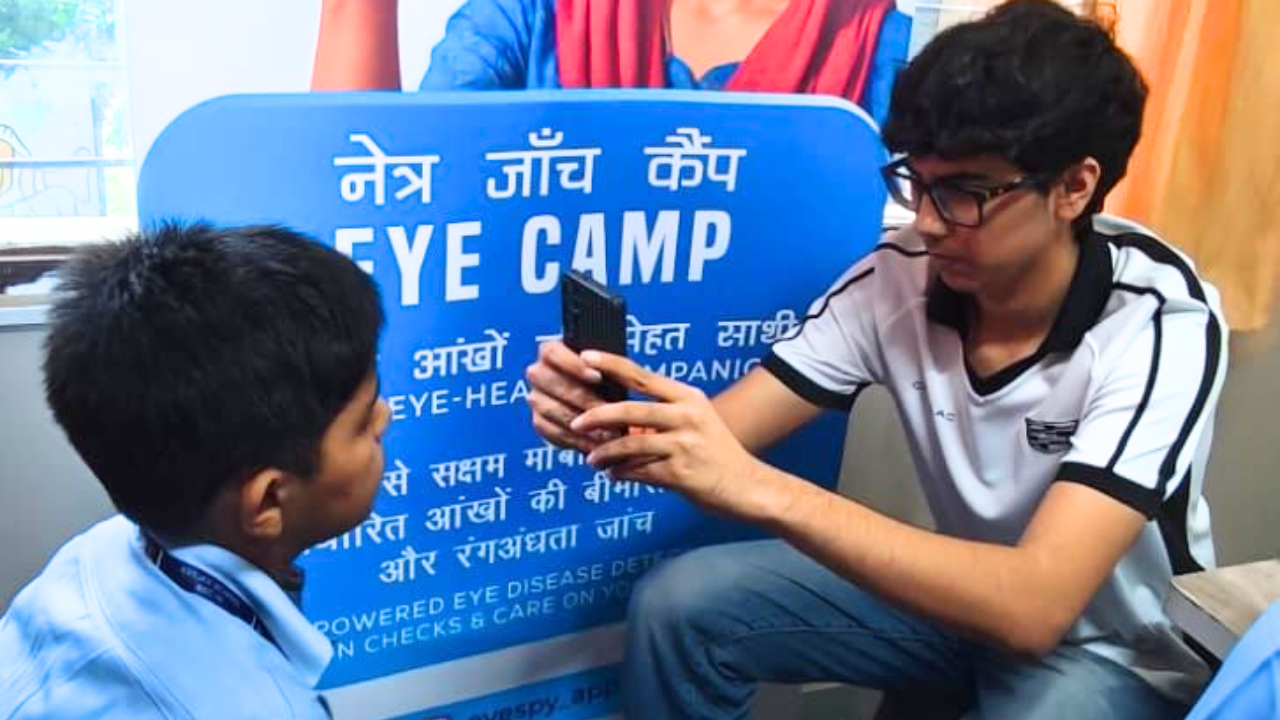
Nearly 99% of the people screened through Siddhartha’s community camps had never undergone an eye examination
His first AI model failed
The impressive part of Manaktala’s story is perhaps not that he built an AI application at 17, but that his first attempt did not work well enough. His initial model achieved only 71% accuracy when tested at an eye camp. Instead of abandoning the idea, he began reaching out to ophthalmology research institutions for guidance.His efforts brought him to the L V Prasad Eye Institute in Hyderabad, where he spent a week working alongside doctors, researchers and the institute’s technology team. Their feedback prompted him to rebuild the system.The result was a different architecture with two AI pipelines: one examining the outer eye and another analysing the retina. The system is designed to screen for conditions including cataracts, conjunctivitis, pterygium, diabetic retinopathy and glaucoma.EyeSpy can reportedly run in less than three seconds on an entry-level Android smartphone and can work offline. It does not require specialised equipment, although a lens attachment costing around Rs 1,200 can be used.
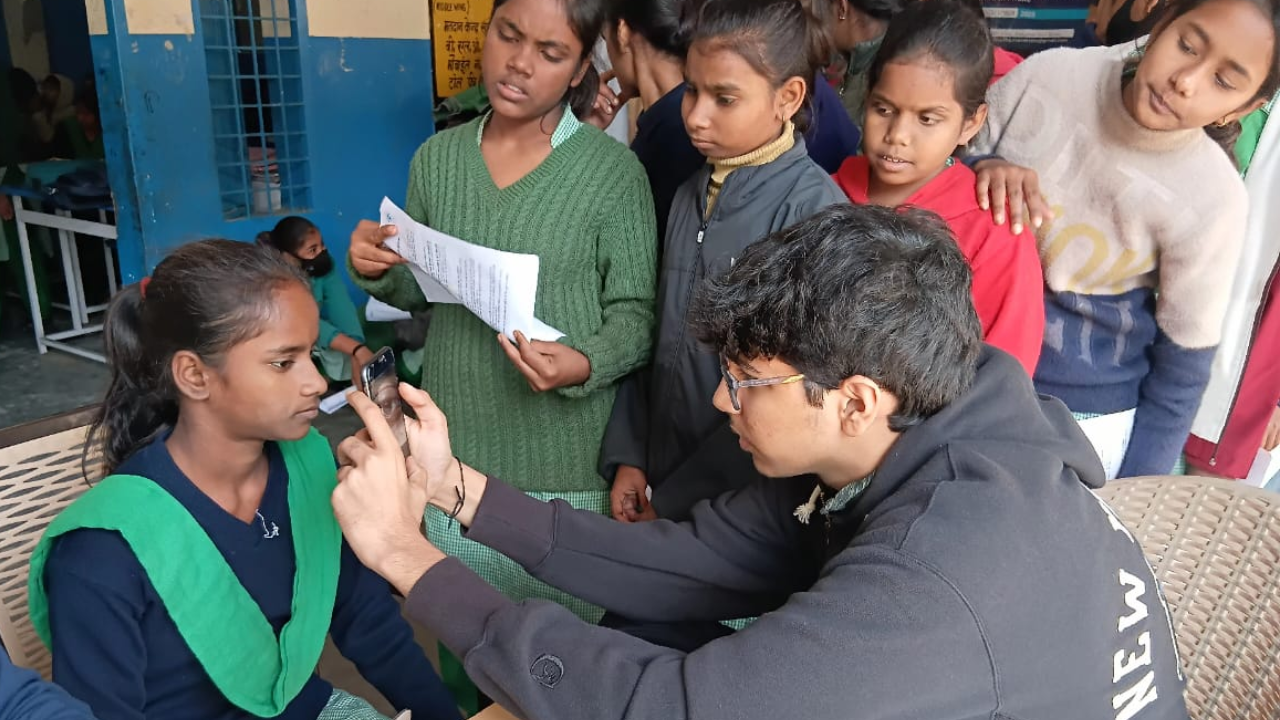
More than a quarter of those screened were found to have an undiagnosed eye disease, while over 35% had previously unidentified vision problems.
From an app to actual eye camps
For Manaktala, the real test was never going to be a science fair. He took EyeSpy into the field, working with factory workers, government school students and school support staff. Across four camps, the system achieved 90.1% accuracy when validated against attending ophthalmologists. But the camps also taught him something that an AI model could not solve.Finding a problem is only the first step. What happens after someone is told they need glasses or treatment matters just as much. Manaktala discovered that several people who received prescriptions could not afford the spectacles or medicines they needed. So he raised Rs 1 lakh through crowdfunding and created personalised field kits containing prescription glasses, eye drops and care instructions. There was another obstacle too- social stigma.In some rural communities, he found that people, particularly young women, were reluctant to wear spectacles because of how they might be perceived. He began combining screening with awareness campaigns, encouraging people to understand that seeking treatment should not carry shame.One of the children helped through the initiative was Asha, a 12-year-old who had been sitting at the back of her classroom because she could not see the board. Her difficulty had been mistaken for poor academic performance. After receiving glasses, she was able to follow lessons more easily and continue her education.
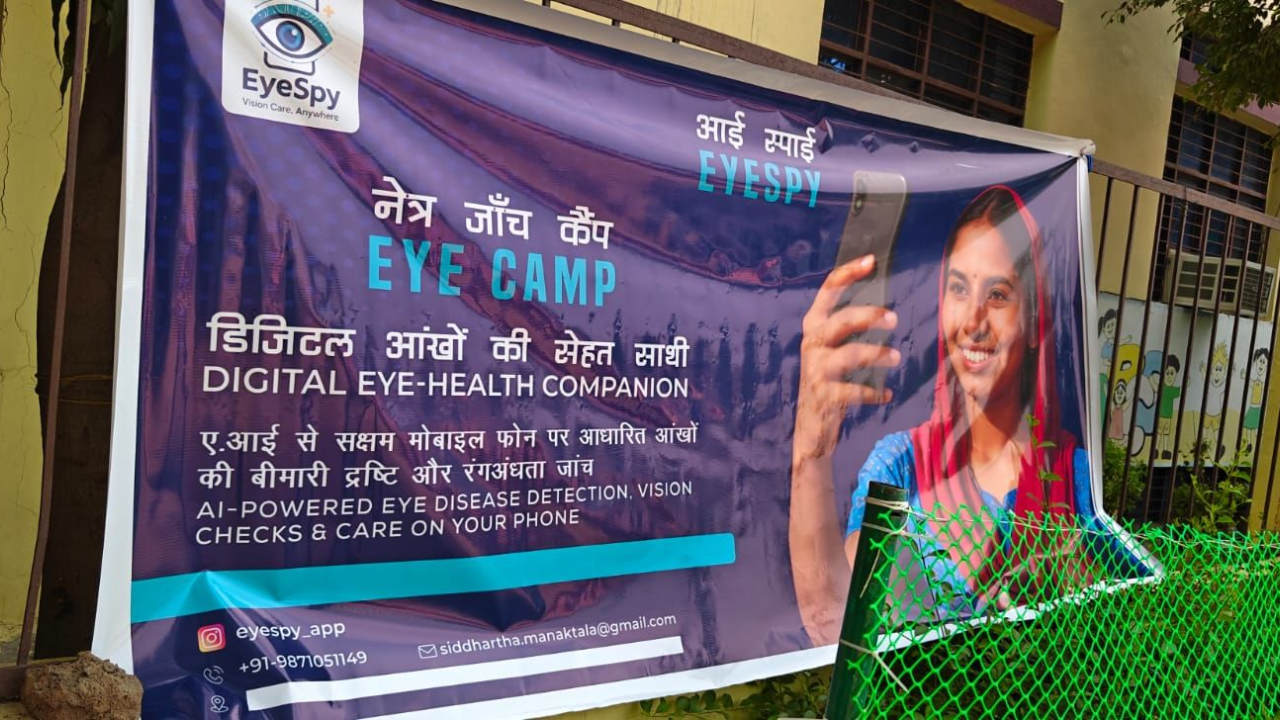
EyeSpy uses AI to analyse images of the outer eye and retina and can reportedly screen for conditions including cataracts, glaucoma and diabetic retinopathy.
The teenager has bigger plans
Manaktala’s work has already earned recognition. He won silver medals at both the IRIS National Science Fair and the INSEF National Science Fair for EyeSpy. He has also received mentorship from the L V Prasad Eye Institute, while Lenskart has agreed to mentor the project. But the medals appear to be secondary to what he wants the project to achieve.His next steps include conducting more screening camps in Haryana, expanding EyeSpy to additional Indian languages and adding features such as auto-zoom and text-to-speech. He also hopes to develop a paediatric module that could help identify childhood eye conditions earlier.The larger ambition is straightforward: make preliminary eye screening accessible beyond hospitals and specialist clinics. At an age when most teenagers are still deciding what they want to study after school, Manaktala has already found a problem he wants to spend his time solving.And for him, the most meaningful measure of EyeSpy may not be another medal or another headline. It may simply be the moment when someone who had never had an eye test gets the chance to see clearly- and continue with a life that might otherwise have been limited by a problem no one noticed.