A slippery bathroom floor can make even a sturdy-looking stool move when you least expect it. Some simple DIY fixes may help keep it stable temporarily. Applying small dots or short lines of hot glue to the underside of the stool’s feet can be one temporary DIY fix to reduce sliding and add extra grip. Once the glue cools, the raised texture may create additional friction between the feet and a smooth floor, helping the stool stay in place. The trick is inexpensive, quick, and easy to try, but it is not a guaranteed safety solution. Hot glue is not designed to withstand the constant moisture, humidity, and cleaning products found in many bathrooms, and it can loosen with repeated use.That raises an important question: should you rely on this hack, especially when using a stool in the shower? Before reaching for the glue gun, it is worth checking the stool’s feet, legs, and joints. Here’s what the trick can actually do and what safer alternatives you should consider instead.
How a little hot glue can add texture to the stool’s feet
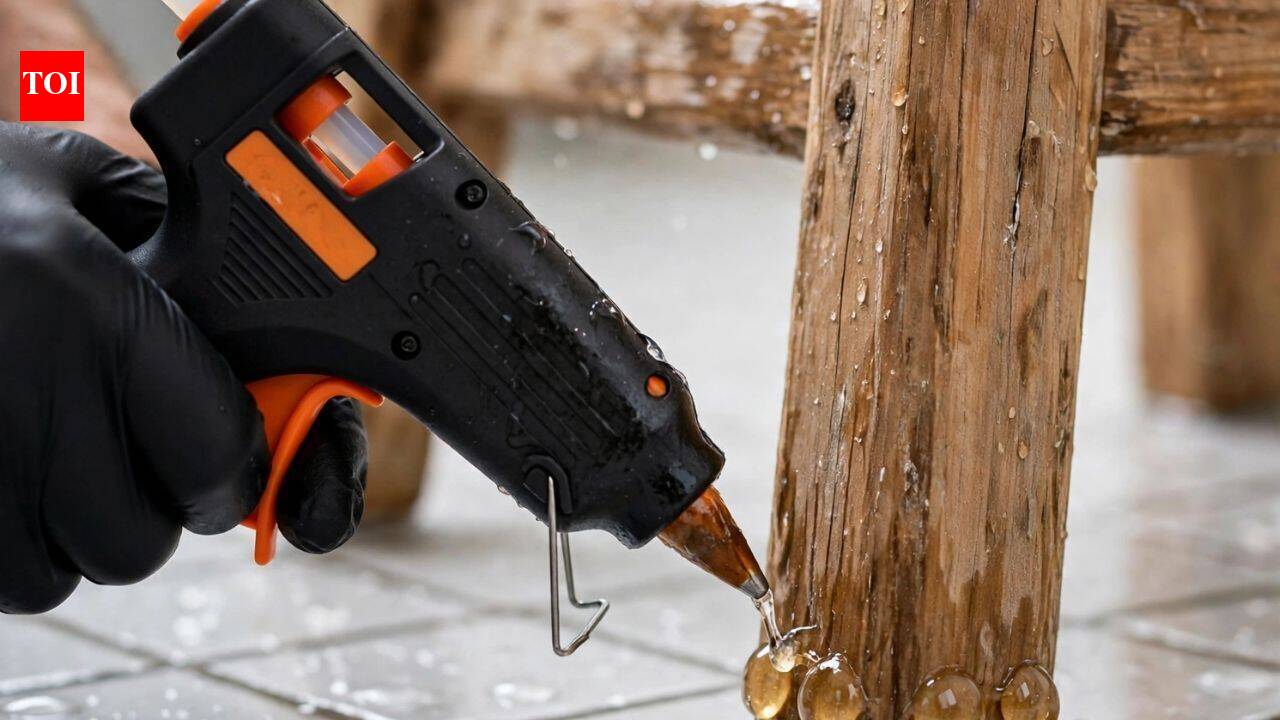
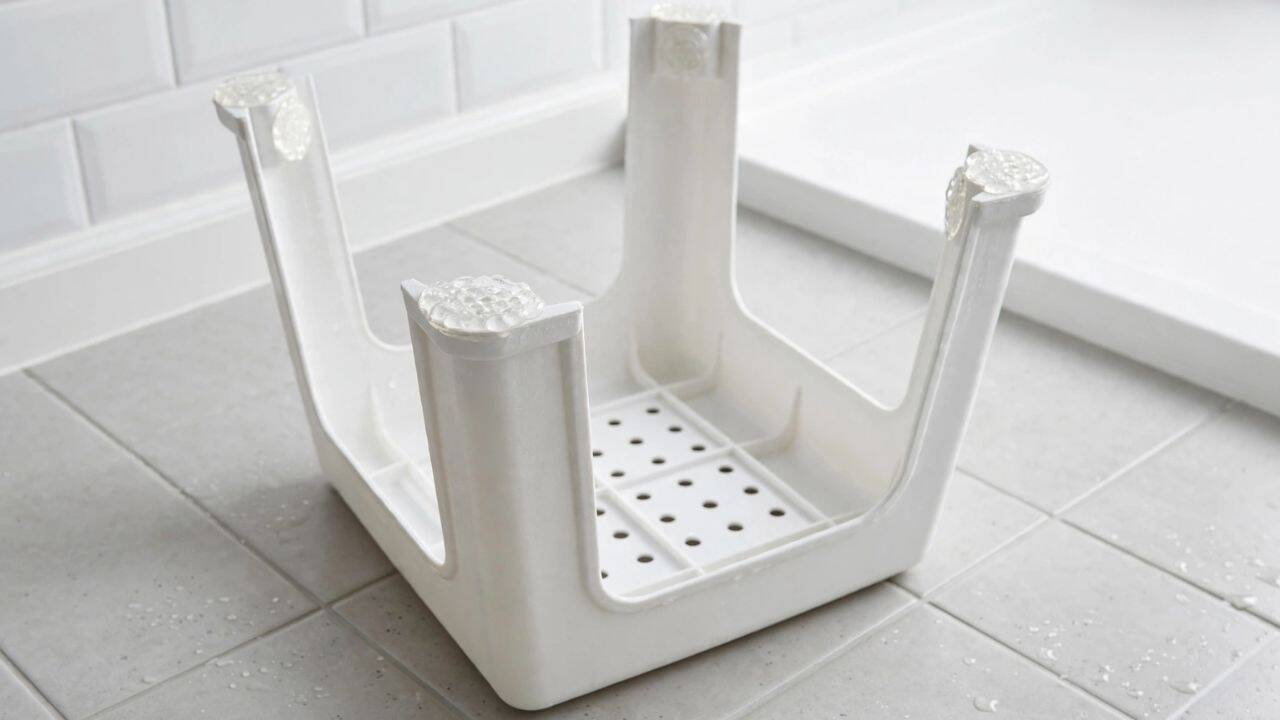
Turn the stool upside down, clean its feet, and let them dry completely; these are simple steps to follow. Small dots or short lines of hot glue are then added underneath. Once the glue cools, the raised texture can create more friction between the feet and a smooth floor. This may reduce minor sliding, especially when the stool is lightweight and the floor is clean and dry. Treat the method as a temporary DIY measure, not a tested safety feature. It cannot remove the danger created by water or a poorly designed stool. Glue can loosen with humidity, cleaning products, and movement. Anyone trying it should allow the glue to dry completely, then test the stool gently before regular use.
PC: AI Generated
Safety checks before adding hot glue to a stool
- Check that all stool feet are firm and sit evenly on the floor.
- Push the stool gently to check for wobbling or instability.
- Look for cracked plastic, bent legs, loose joints, or torn rubber caps.
- Do not rely on glue if any part of the stool is damaged.
- Place the stool on a clear, firm surface away from loose mats and water.
- Take extra care in a shower, or where the floor can remain wet.
- Check rubber stoppers regularly for signs of tearing.
Safer ways to improve bathroom stool stability
- For regular bathroom use, purpose-made stool feet are a better long-term option than hot glue.
- Rubber or silicone feet provide a stable contact point with the floor.
- Choose a shower chair with rubber tips, a stable base, and adjustable legs.
- If the existing feet are torn, replace them with compatible parts instead of covering them with glue.
- Always follow the stool manufacturer’s instructions.
- Use the stool within its specified weight limit.
Disclaimer: This article is for general informational purposes only. The hot-glue method is a temporary DIY suggestion and is not a tested or guaranteed safety solution.