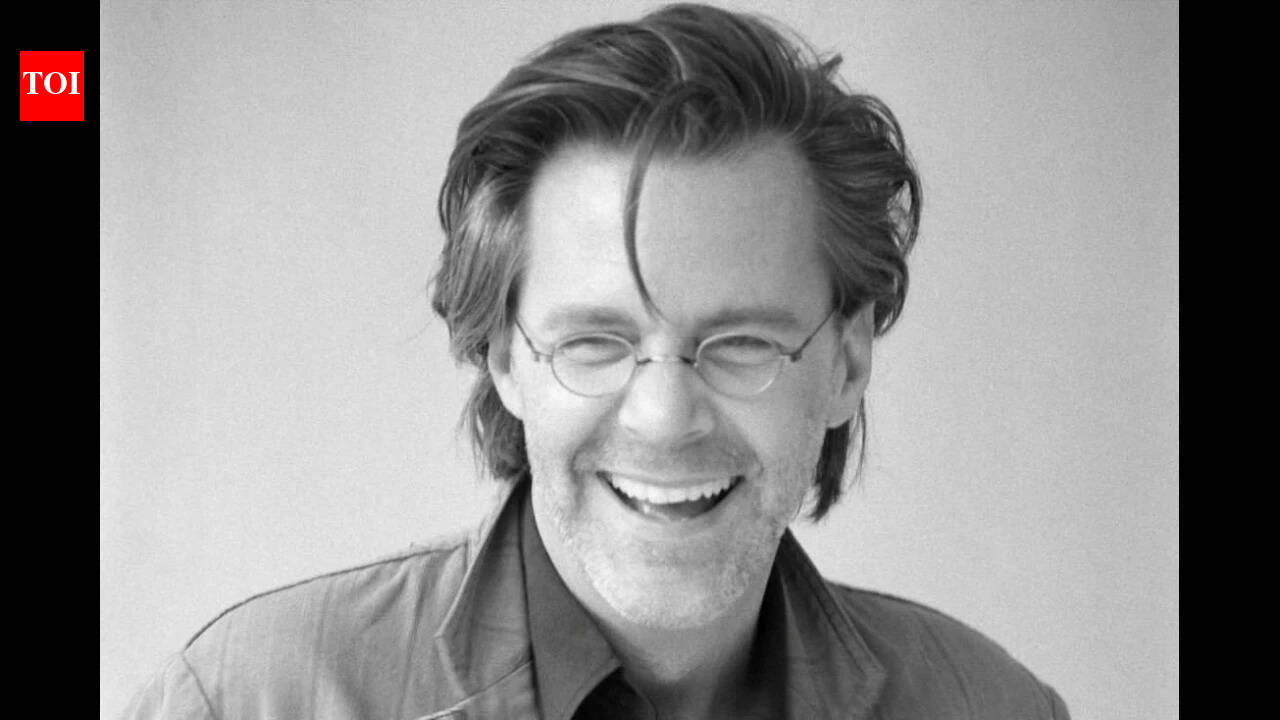
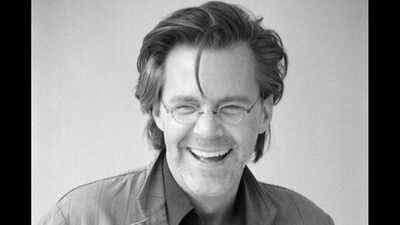
Some people leave their mark on the art world through the work they create. Others change the way the world sees art, giving artists the space, attention and belief they need to be seen. Peter Nagy belonged to the latter. The founder of New Delhi’s Nature Morte gallery, who played a defining role in bringing Indian contemporary art to international audiences, has died at 67 after a long illness.In a statement issued late Tuesday night, the gallery announced his death and shared a wish that speaks volumes about the man he was. Nagy had made it clear that Nature Morte should not close its doors in mourning. Art, he believed, belonged first to the artist who created it and to the people who came to experience it. An artist’s moment, he felt, should never be put on hold.“Respecting his wishes, our doors remain open,” the gallery said.It is a fitting tribute to someone who spent decades making sure that artists had a place to show their work, find an audience and be part of a larger conversation.Born in Connecticut, USA, Nagy studied at New York’s Parsons School of Design, graduating in 1981. He began his journey in the city’s art scene as an artist himself, exhibiting his work in the 1980s and participating in Group Material, the collective that showed at the Whitney Biennial in 1985 and Documenta in Kassel, Germany, in 1987.His own artistic practice was shaped by an interest in images, reproduction and the way meaning changes as an image is copied and circulated. In a 2020 interview, he recalled being fascinated by “making copies of copies” and observing how long the original information retained its integrity. It was an idea that would find a different kind of expression in the career he went on to build, one that brought together artists, ideas and audiences across borders.Nagy first co-founded Nature Morte with artist Alan Blecher in New York’s East Village in 1982. After five years, the gallery closed, and he moved to India in 1992. Five years later, he reopened Nature Morte in New Delhi, beginning a chapter that would help reshape the country’s contemporary art landscape.At a time when Indian contemporary art was finding its way into wider international conversations, Nagy helped create the platforms that allowed it to travel further. Nature Morte became associated with artists such as Subodh Gupta, Bharti Kher, Jitish Kallat, L N Tallur, Mrinalini Mukherjee and Manu Parekh, building a roster that reflected the range and ambition of contemporary Indian artistic practice.His contribution went beyond exhibiting work. As a gallerist, art dealer and curator, he helped connect Indian artists with collectors, institutions and audiences outside the country. He understood that bringing art to the world required more than talent alone. It needed sustained attention, the right spaces and people willing to champion work that challenged familiar ideas.Nature Morte expanded to Mumbai in 2024. In August 2026, it marked its 30th year in India by moving into a permanent space in Gulmohar Park, New Delhi, and opening a two-part exhibition curated by Nagy. Bringing together 35 artists from the gallery’s roster, the show considered the changing place of contemporary art in a world shaped by digital technology, globalisation and identity politics.It was a significant milestone, and one that offered a glimpse of the breadth of the artistic community he had helped nurture over three decades.Nagy’s legacy cannot be measured only in exhibitions mounted or artists represented. It also lies in the conversations he helped start, the audiences he brought to unfamiliar work and the space he created for Indian contemporary art to be taken seriously on a global stage.The art world has lost a gallerist who understood that his role was not to stand in the spotlight, but to make room for others. And perhaps the most poignant part of his story is that even in death, he wanted the work to continue.Nature Morte will remain open. The artists will keep exhibiting. People will keep walking through its doors, encountering works that ask them to look again and think differently.For Peter Nagy, that was what a gallery was meant to do. And it is how his life’s work will carry on.