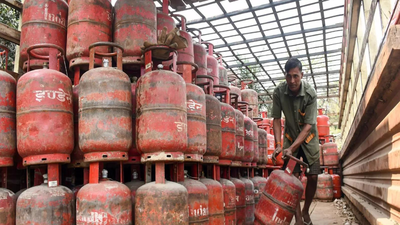
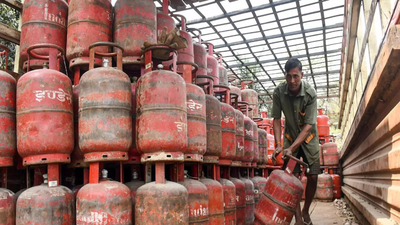
The government has revised the priority order for allocating domestically produced natural gas, placing LPG production, CNG for transport and piped cooking gas for households at the top of the list, as disruptions in imported gas supplies intensify amid the widening West Asia conflict, PTI reported.According to a gazette notification, the requirements of these sectors will be fully met first before gas is supplied to other sectors.Under the revised framework, the fertiliser sector has been placed second, with at least 70% of its past six-month average gas demand to be met, subject to availability.At the third priority level, gas supply to tea industries, manufacturing units and other industrial consumers will be maintained at 80% of their past six-month average consumption, depending on operational availability.City gas distribution (CGD) entities supplying gas to industrial and commercial consumers have been placed at fourth priority in the revised allocation order.The reshuffle means that domestically produced gas will be diverted towards priority sectors, while supplies to petrochemical plants, power plants and other high-priced gas consumers may be curtailed.The move follows supply disruptions triggered by the ongoing conflict in West Asia.Following US-Israeli strikes inside Iran and Tehran’s retaliation, maritime traffic through the Strait of Hormuz has sharply declined, while insurance premiums have surged and energy markets have turned volatile.The strait handles roughly one-fifth of global seaborne oil and nearly one-third of LNG shipments, and is a key route for India’s imports of LNG and LPG.With tanker movement slowing, the government has decided to rework the allocation of domestically available gas to ensure supplies to essential sectors such as household cooking fuel and vehicular transport.Natural gas produced in India currently meets about half of the country’s total consumption of around 191 million standard cubic metres per day.“The Central Government has assessed that the ongoing conflict in the Middle East has resulted in the disruption of liquefied natural gas (LNG) shipments through the Strait of Hormuz and suppliers have invoked force majeure clause,” the notification said.It added that the revised allocation was necessary to maintain supplies and ensure equitable distribution of natural gas to priority sectors.The notification stated that domestic piped natural gas, CNG for vehicles and LPG production — including LPG shrinkage requirements — will receive 100% of their past six-month average gas consumption.Gas required for pipeline compressor fuel and other operational needs of the pipeline network will also receive priority allocation.For fertiliser plants, gas supply will be maintained at 70% of their past six-month average consumption, and the fuel must be used strictly for fertiliser production.“The gas marketing entities shall ensure that gas supply to tea industries, manufacturing and other industrial consumers supplied through the national gas grid is maintained at 80 per cent of their past six month average gas consumption subject to operational availability,” the order said.Similarly, CGD companies will ensure industrial and commercial consumers supplied through their networks receive 80% of their past six-month average gas consumption, depending on availability.To meet these priorities, gas supplies will be curtailed first to petrochemical facilities such as ONGC Petro additions Ltd, GAIL Pata Petrochemical Complex, Reliance O2C and other high-pressure high-temperature gas consumers, followed by power plants if required, the order said.Oil refining companies have also been asked to absorb part of the LNG supply disruption by reducing gas consumption at refineries to around 65% of their past six-month average usage.State-owned GAIL has been tasked with managing the allocation and distribution of natural gas to implement the revised priority order.