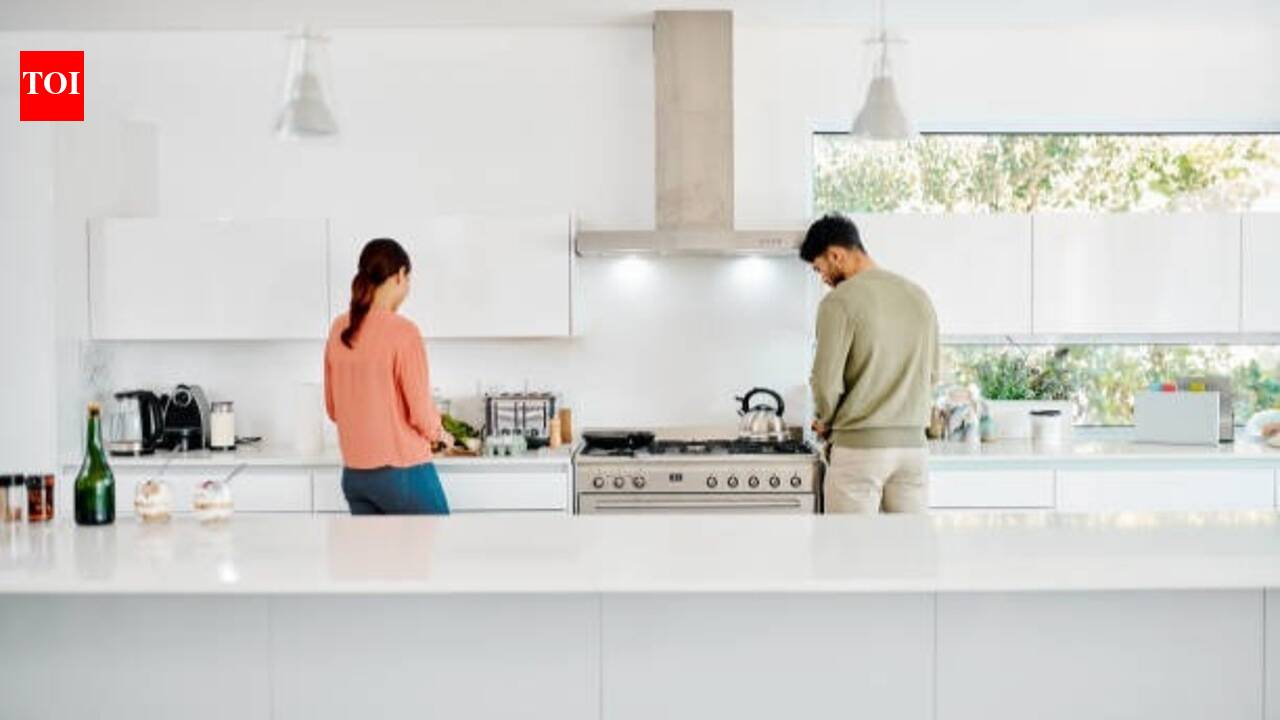
Psychologists also link a messy home to stress. In a well-known UCLA study, researchers found that women who described their homes using words like “cluttered” and “unfinished” showed flatter daily cortisol patterns, a sign of ongoing stress. The study focused on couples in one country and showed a link, not proof of cause. Still, it hints at why a clear counter can feel like a deep exhale. A bare surface sends the message that nothing is waiting for you.
It can change what we reach for
The kitchen is also where food choices are made, so surroundings matter. One study from Cornell University, compared a tidy, organised kitchen with a chaotic, cluttered one and measured how much snack food people ate while under stress. Findings like this suggest that a calmer, simpler space may nudge people towards more mindful eating. It is not a guarantee, and one study does not settle the matter, but it fits the idea that our environment quietly steers our habits.
Easier cooking, fewer decisions
Every item on a counter is a tiny decision waiting to happen: move it, wipe around it, ignore it. An open counter removes many of those decisions, leaving room for the one that matters, what to cook. Professional chefs know this well. Many follow a “mise en place” approach, where everything has a place and the workspace is cleared before cooking starts. At home, the same idea means you can start chopping straight away, instead of clearing a spot first and losing your enthusiasm.
Control, calm and personal comfort
For many people, an uncluttered kitchen is about feeling in charge of their space. A neat, open surface can feel orderly and reassuring, especially for people whose days are busy and unpredictable. Research on home environments notes that people who report more clutter feel less comfort and security at home, and lower life satisfaction overall. That does not mean a tidy kitchen makes someone happy, but a space that feels manageable can quietly support a sense of calm.
When clutter is actually comfort
It would be unfair to treat busy counters as a problem. Many great cooks keep oils, spices, knives and tools in sight because it makes cooking quicker. A rice cooker, a well-used tawa or a row of masala dabbas on the counter can be part of how a family cooks. Psychologists stress that what feels comforting depends on the person. If your counters are full but purposeful, and you can find what you need without stress, your setup is probably working just fine.
How to get the calm without losing convenience
You do not need to hide everything. Pick the few items you use every day, such as the kettle, a chopping board or a spice tray, and let them stay out. Store the rest in cupboards or drawers, and group similar things together. Keep one “landing zone” for mail and keys away from where you cook. A small tray can make a cluster of bottles look intentional. Spend two minutes clearing the counters after dinner, and tomorrow’s cooking will feel lighter.