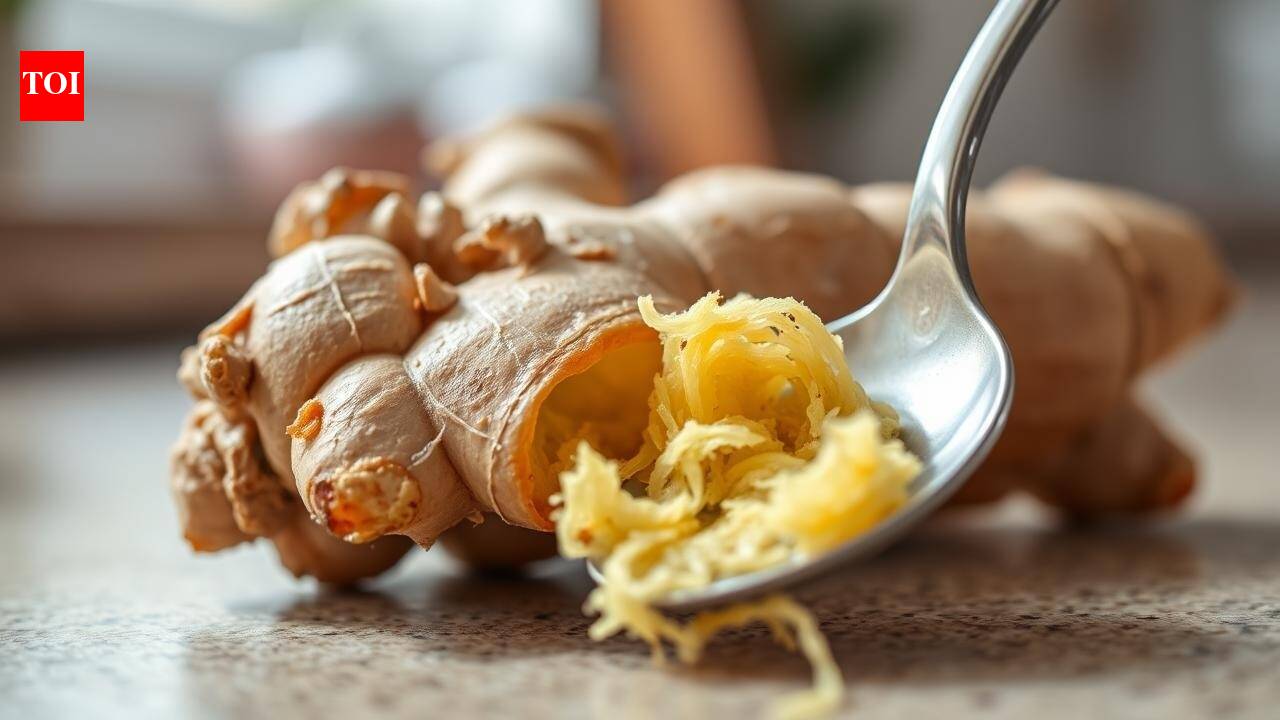

We have all experienced this moment: standing at the countertop, holding a fresh root of ginger, preparing to cut it into thin strips for some spicy stir-fry or soothing ginger tea. You hold your trusty paring knife or perhaps your vegetable peeler, but very quickly you realise that the amount of ginger you are slicing off is larger than what you manage to remove from the exterior of the root. Ginger is such an irregular shape and full of sharp angles, making it quite a wasteful item to peel. But increasingly, gardeners are turning to a metal spoon instead.It is simply amazing how easy and delicate this process actually is. Instead of cutting the root using a knife, all you need to do is scrape it by using the edge of the spoon. You will be amazed at the ease with which you can trace the contours of the root, just like a surgeon would do. It is a simple yet revolutionary process for dealing with this aromatic spice.The aromatic secrets of the perfect peelThe reasons why a spoon is better than a knife have to do with the specific anatomy of the ginger plant. Right under the fragile skin, there is a layer of aromatic compounds that give ginger its unique flavour.The article Influence of peeling on volatile and nonvolatile compounds contributing to aroma, sensory and nutritional characteristics of ginger (Zingiber officinale), published in the Food Chemistry journal, studies a biological process. As was found out, peeling done abrasively causes the loss of some important compounds and results in reduced nutrition and sensory value.When you use a knife, the flat blade often gouges deep into these oil-bearing cells. A spoon, however, uses its curved edge to catch only the skin, leaving the flesh entirely intact. This preserve-first philosophy is further supported by the research paper Quality of dry ginger (Zingiber officinale) by different drying methods, published in the Journal of Food Science and Technology.The preservation of the ginger meat is crucial for maintaining its taste, especially when planning to store it as dried ginger or as ginger powder. The removal of the peel is essential in preserving the ginger smell, thus making it stronger and healthier.It is crucial, particularly for individuals who have invested months in growing their own ginger through DIY gardening. Even saving the smallest portion of the root ensures sustainable use and enhances the taste. The spoon can enable one to dig into the small spaces between the nodules where a knife cannot fit, thus becoming an indispensable utensil when it comes to zero-waste cooking.
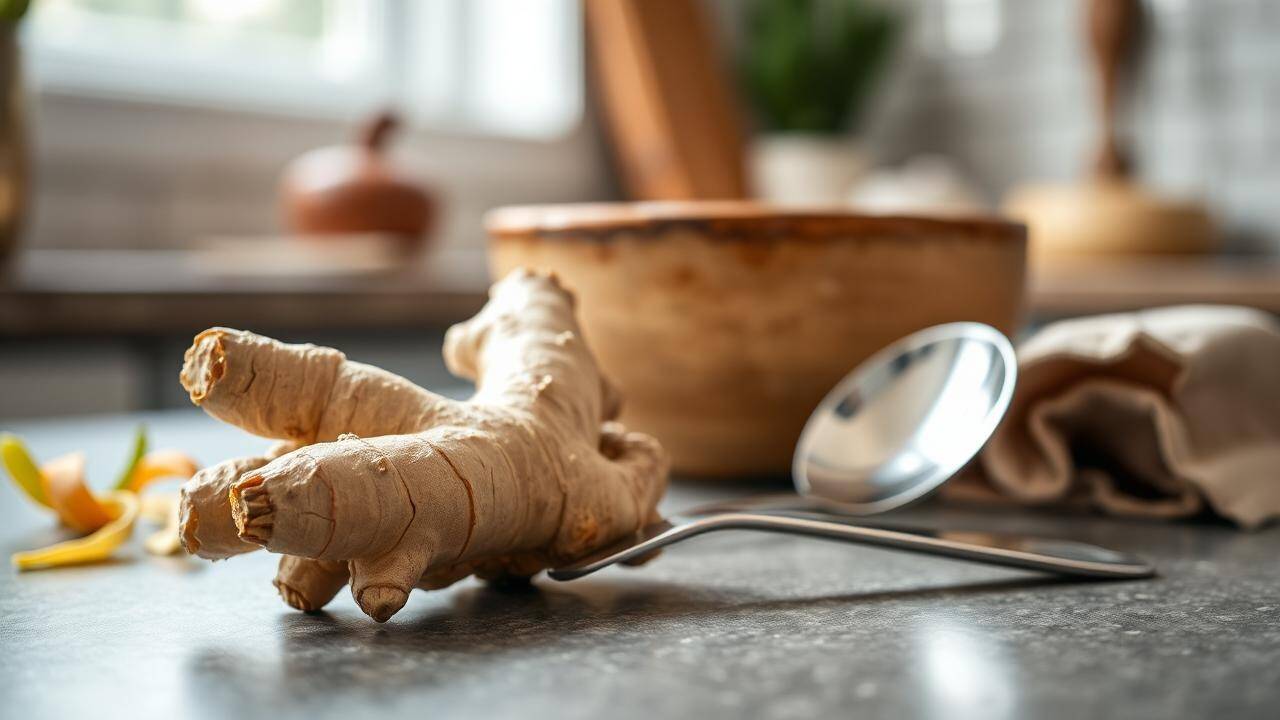
This technique, ideal for home gardeners and cooks, ensures maximum yield and a stronger taste profile for all your ginger creations.
Mastering the scraping method for the highest outputOf course, employing a spoon in place of the usual implements like knives will seem unusual, but the outcome will justify your actions.This balance of force and protection is a concept mirrored in industrial research, such as the Comparative study between microwave and infrared assisted peeling of ginger, found in Materials Today: Proceedings. While large-scale processors look for high-tech ways to minimise peel loss, the humble spoon offers a manual version of that same goal: removing the unwanted outer layer without damaging the precious interior.To get the most out of this method, simply hold the ginger firmly in one hand and the bowl of the spoon in the other. Turn the spoon so the edge of the bowl faces the ginger and use short, firm downward strokes. You will see the skin peel away in thin, translucent ribbons, leaving behind a smooth, bright yellow surface. This method is so safe that even younger kitchen assistants can help out without the risk of nicks or cuts.Not only is this technique useful in preparing food, but it also really benefits those who enjoy making their own home-based remedies from herbs. Proper peeling of the ginger ensures that it retains all the bioactive compounds, including gingerols and shogaols. This will ensure that your ginger snap cookies, pickled ginger or dried spices have a stronger taste profile.Since you know the simple connection between the tool design and the plants’ biology, you’ll be able to turn a common kitchen gadget into a tiny course on food preservation. At the next harvesting season, forget about using the knife and leave all the work for the spoon.