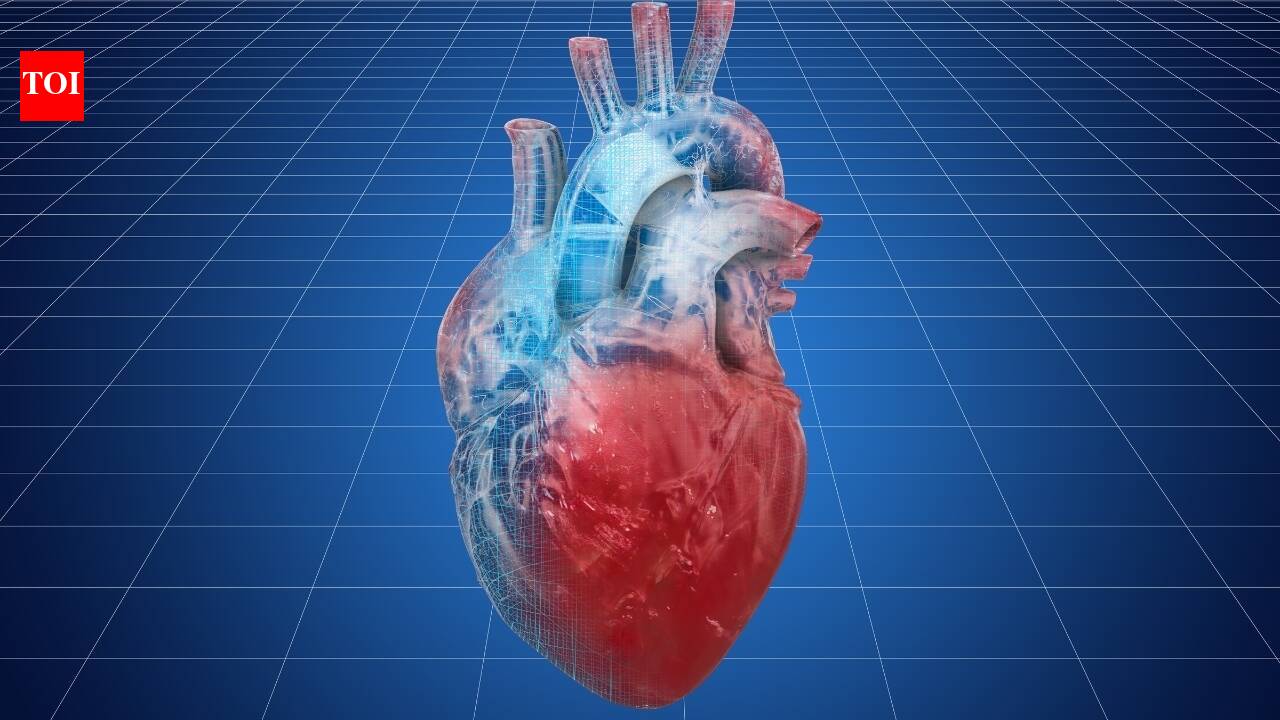
The human heart works so quietly in the background that most of us rarely think about it until we hear our heartbeat after climbing several flights of stairs or feel it racing during an exciting moment. Yet, this fist-sized organ is one of the hardest-working parts of the body.From pumping blood throughout the day to responding to our emotions and physical activity, the heart has several fascinating features. Here are five facts that might make you look at this everyday organ a little differently.
1. Your heart beats around 100,000 times a day
An average adult heart beats approximately 60 to 100 times per minute at rest. That adds up to roughly 100,000 beats in a day, although the actual number varies depending on age, fitness, health and activity levels. It keeps working whether you are sleeping, eating, walking or sitting through a long meeting.
2. It pumps thousands of litres of blood every day
The heart moves around 5 litres of blood per minute in a resting adult. Over 24 hours, that can add up to approximately 7,000 litres. The blood carries oxygen and nutrients to different parts of the body while helping transport waste products away from tissues.
3. Your heart has its own electrical system
The heartbeat is controlled by electrical signals generated within the heart. A small group of specialised cells called the sinoatrial node acts as the natural pacemaker. It produces electrical impulses that help coordinate the contractions of the heart’s chambers, allowing blood to move efficiently.
4. The heart has four chambers
The human heart is divided into two upper chambers called atria and two lower chambers called ventricles. The right side receives oxygen-poor blood from the body and sends it to the lungs. The left side receives oxygen-rich blood from the lungs and pumps it to the rest of the body.
5. The heart can change its rhythm depending on what you are doing
Your heart does not beat at exactly the same rate throughout the day. It speeds up during exercise, excitement or stressful situations because the body needs more oxygen. It generally slows down during rest and sleep. This constant adjustment helps the body respond to changing demands.The heart may be small compared with several other organs, but its everyday workload is enormous. Looking after it through regular physical activity, balanced eating, adequate sleep and routine health checks can make a meaningful difference to long-term health.Thumb image: Canva (for representative purposes only)