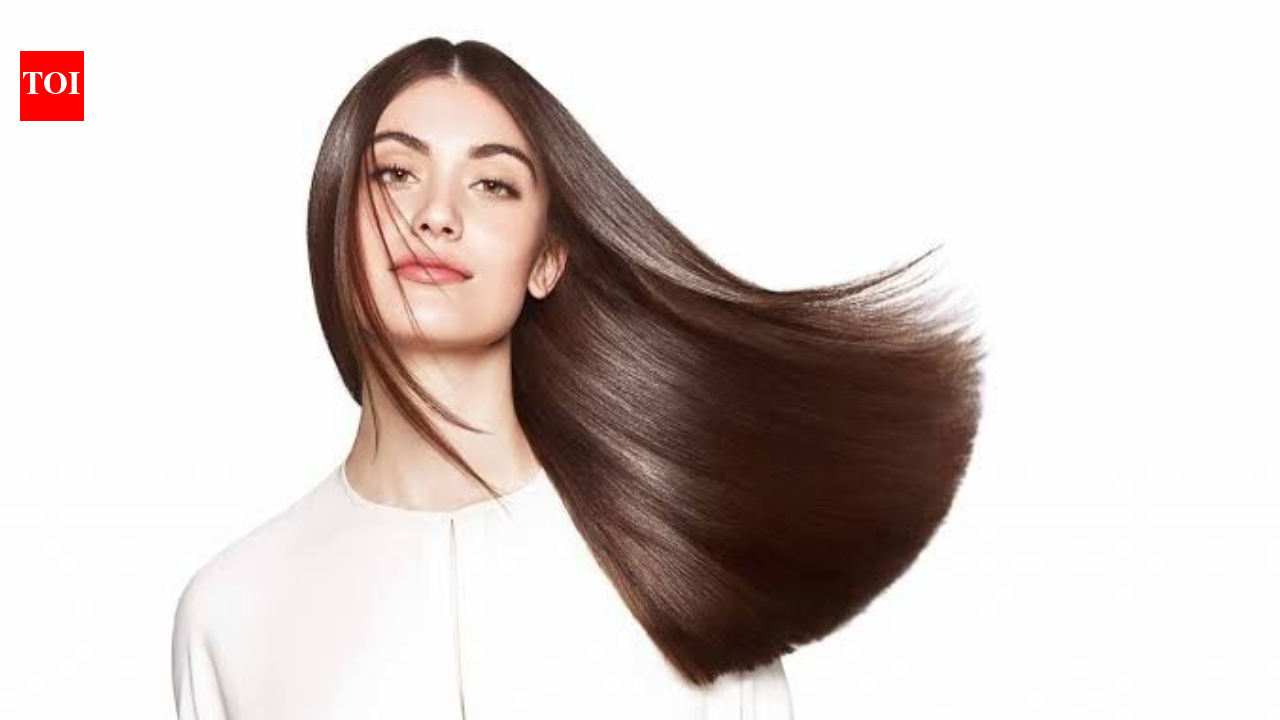
Monsoon may bring relief from the heat, but the season can be rough on your hair and scalp. High humidity, sweat and frequent exposure to rain can leave hair frizzy, greasy and prone to dandruff, infections and hair fall.And some everyday habits can make things worse.From leaving rainwater on your hair to tying it up while it’s still wet, dermatologists say that simple mistakes are often behind common monsoon hair problems. Experts also warn against over-oiling, excessive washing and relying too heavily on heat styling or anti-frizz products.Dr. Priyanka Hemrajani, Sr. Consultant, Dermatology, Marengo Asia Hospitals, Gurugram, says that monsoon haircare doesn’t need to involve expensive treatments or complicated routines.“Probably one of the most common mistakes in monsoon hair care is to think that good health of your hair depends upon high-end treatments or hair care routine. In reality, what monsoon calls for is self-discipline above all else. Monsoon hair care doesn’t require fancy treatments. It requires scalp hygiene and protection against sweat, moisture and pollution.”She says one of the biggest problems is what people do after their hair gets wet.“A lot of people ignore wet hair, wrap their hair even when it is wet, postpone washing the scalp after having been wet under the rain, and use too much oil thinking that it will prevent hair fall. Such practices lead to accumulation of moisture, sweat and dirt in the scalp which gives rise to dandruff, infection, irritation, foul smell and hair fall.”If you’ve been caught in the rain, she recommends rinsing your hair with fresh water and drying it rather than leaving it damp for hours.“In case your hair gets wet due to the rains, it is advisable to immediately wash them with fresh water and dry them. One must take baths with a suitable shampoo according to the hair type and maintain cleanliness of combs and towels, which must not be shared by others. Those having excessive sweating problem must concentrate on scalp care and need not think much about regular shampoo usage. Good scalp care forms the basis of good hair. In the monsoon, there is no need for following fads or seasonal treatments.”
Wet hair, heavy oiling and overwashing
Dr. Shifa Yadav, Sr. Consultant- Dermatology, Artemis Hospitals, also points to wet hair as one of the most common monsoon troublemakers.
“Monsoon haircare mistakes almost everyone makes”
“The monsoon season is characterized by high humidity, frequent rain and sweat which makes hair more susceptible to frizz, dandruff, scalp infections and hair fall. But instead of protecting their hair many people are unwittingly following habits that exacerbate these problems.”According to Yadav, rainwater shouldn’t simply be left to dry on the hair.“One of the worst mistakes is leaving the rainwater on the hair. Rainwater can carry dust, pollutants and microbes so it is important to rinse the hair with clean water and dry it properly after getting wet. Another common error is tying up hair when it is wet or damp. This traps moisture and creating the perfect environment for fungal growth, dandruff and scalp irritation. Overwashing is also bad since it removes the natural oils, leaving the hair dry and brittle. On the other hand, not washing often enough can result in a buildup of sweat, oil and dirt on the scalp.”Heavy oiling is another habit worth reconsidering during humid weather.“During humid weather many people use heavy oils overnight which may clog the scalp and attract more dirt. Using heat styling tools too often can damage already dry-prone hair even further. Sharing combs, towels and hair accessories also increases the risk of scalp infections. Follow a gentle haircare routine also eat a proper diet, stay hydrated and keep the scalp clean to keep hair healthy and strong during monsoon.”
Is humidity really the reason your hair gets frizzy?
For Navneet Misra, Founder & CEO, Xtovia, the answer isn’t quite as simple as blaming the weather.“The most common monsoon haircare mistake? Treating frizz as the enemy, when it’s actually a messenger.”“Frizz doesn’t appear because of humidity. Humidity just exposes what’s already there: a cuticle that’s been damaged, lifted, and left unrepaired. Healthy, structurally intact hair simply doesn’t frizz the same way, regardless of the weather.”That means constantly trying to flatten frizz may not address the underlying problem, he argues.“So if you’re piling on anti-frizz serums, skipping your mask because your hair feels oily, or heat-styling your way to smoothness, you’re actually making the damage worse, which makes the frizz worse.”Misra says this thinking is also behind the approach taken by his company.“This is the pattern we see most often, and it’s what drove us to build Xtovia around a different belief entirely: that the goal of haircare shouldn’t be to manage or mask, but to genuinely repair. When hair is structurally healthy, from the inside of the fibre to the surface of the cuticle, it just responds differently to the world. Including monsoon humidity.”His advice? Don’t wage war on your hair every time the humidity rises.“The counterintuitive truth about monsoon haircare is that the season rewards the people who slow down and repair, not the ones who fight harder. Healthier hair isn’t just more beautiful. It’s more resilient. And resilience, not products, is what actually gets you through a Mumbai monsoon.”The common thread in all three experts’ advice is fairly simple: keep the scalp clean, don’t leave hair wet for long periods, avoid habits that trap moisture and don’t rely on products to hide underlying hair damage.For monsoon haircare, a complicated routine may not be necessary. Consistency probably matters more.