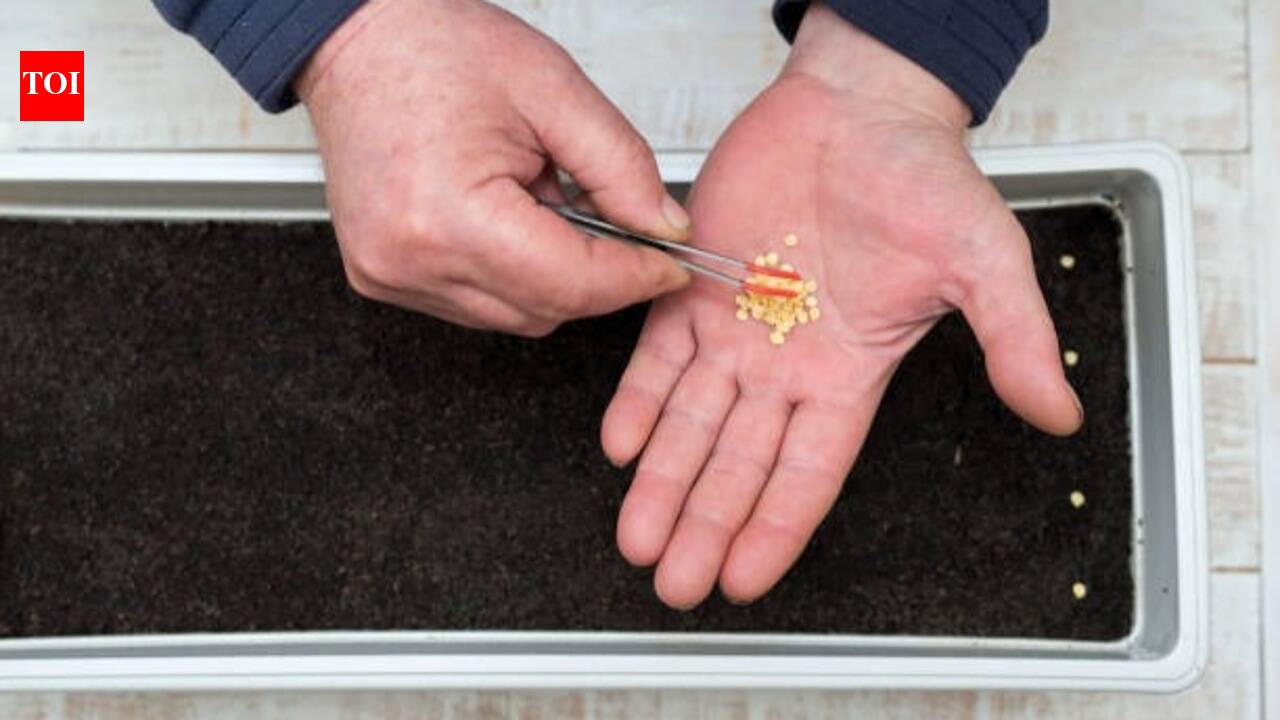
Walk into any nursery or scroll through an online seed store, and it’s easy to get swept up in the sheer variety on offer: glossy packets promising bumper tomato harvests, towering sunflowers, and sprawling cucumber vines. The trouble is that a lot of what’s sold for a full backyard garden simply isn’t built for life in a container, and buying the wrong seed is often the real reason a balcony garden struggles long before watering or sunlight even becomes a factor. Getting this right starts before a single seed goes into soil, right at the moment you’re actually choosing what to buy. Here’s how to make that decision properly.
Know your space and sunlight before you shop
This has to come first, since it decides almost everything else. Walk out to your balcony at a few different points during the day and honestly assess how many hours of direct sunlight it actually gets, since most fruiting vegetables and flowering plants need a genuine six to eight hours to perform well, while leafy greens and a handful of flowering varieties tolerate partial shade far better. Knowing this before you shop means you’re choosing seeds that match reality rather than falling for a beautiful packet that needs conditions your balcony simply doesn’t offer.
Look for “dwarf”, “patio”, “bush”, or “Compact” on the label
This is the single most useful buying signal available, and it’s printed right there on most seed packets and plant tags if you know to look for it. Words like dwarf, patio, mini, bush, or compact indicate a variety specifically bred to stay small and manageable in a container, rather than the standard, full-sized version of that same vegetable or flower. A dwarf tomato, a compact basil, or a patio cucumber will genuinely behave differently in a pot than its regular-sized counterpart, staying proportionate to your space instead of sprawling well beyond it within weeks.
Check whether it’s a bush or a vining variety
This distinction matters more than most first-time buyers realise, particularly for cucumbers, squash, and beans. Bush varieties grow in a contained, rounded shape and stay put, making them naturally suited to a pot with no extra support needed. Vining varieties, on the other hand, spread and climb aggressively and generally need a trellis or considerably more room than a balcony pot can offer on its own. Seed packets almost always specify which type you’re looking at, so it’s worth checking this single detail before buying anything that has a reputation for sprawling.
Read the days-to-maturity number
Every seed packet lists roughly how long a plant takes from sowing to harvest, and this number is genuinely useful for planning a small space efficiently. Faster-maturing crops, many leafy greens and radishes are ready within a month, let you harvest, clear the pot, and replant something new multiple times through a single season, getting considerably more total yield out of the same limited container space than a single slow-maturing plant ever could.
Understand open-pollinated vs hybrid seeds
This distinction decides whether you can save seeds from this year’s harvest to grow again next season. Open-pollinated and heirloom varieties breed true, meaning seeds saved from a healthy plant will reliably produce the same variety again. Hybrid, or F1, seeds are bred by crossing two specific parent plants for particular traits like disease resistance or uniform size, but seeds saved from them won’t reliably grow into the same plant, so they generally need to be repurchased each season if you want consistent results.
Don’t overbuy beyond what your space actually needs
It’s easy to get carried away buying seed packets, but most contain far more seeds than a handful of balcony containers will ever need in a single season. A typical small balcony setup with four to six pots realistically only needs a modest number of seeds per variety, and buying smaller-quantity packets, or splitting a larger one with a friend or neighbour, avoids seeds sitting unused and losing viability in a drawer long after their germination rate has started to decline.
Choosing well before you ever plant
None of this requires special expertise, just a few minutes spent reading labels and matching what’s on the packet to what your balcony can actually offer. Getting the seed choice right from the very beginning does more to guarantee a thriving balcony garden than almost any care technique that comes afterward, since even perfect watering and feeding can’t compensate for a plant that was simply never suited to a pot in the first place.