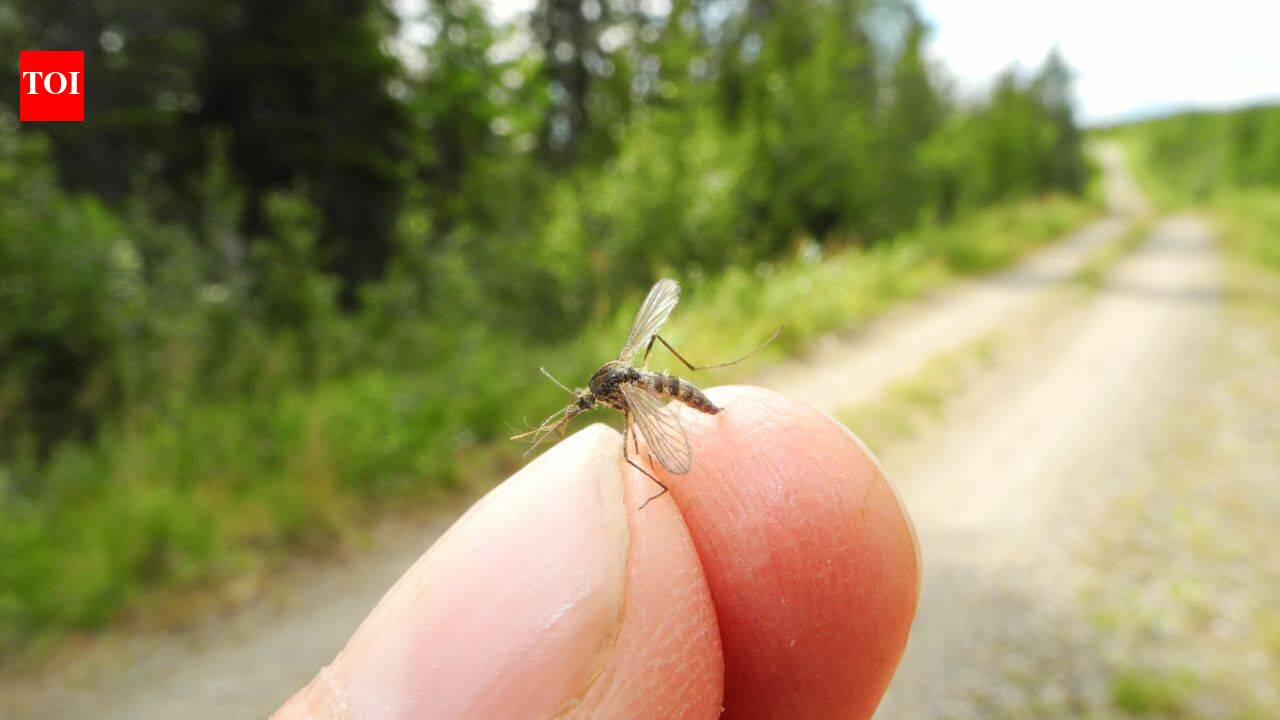
For generations, Iceland offered travellers something almost unimaginable in much of the world: spectacular lakes, bluest lagoons and black sand beaches; all this without the persistent buzz and bite of mosquitoes. But this unusual distinction ended in October 2025, when Björn Hjaltason discovered not one but three mosquitoes in a garden in Kjós, a rural region of Reykjavík. The discovery was made by insect enthusiast Björn Hjaltason, whose simple backyard insect trap unexpectedly recorded a remarkable milestone in the history of Iceland.When it happened?On October 16, Hjaltason noticed what looked like a strange fly resting on a braided rope soaked in red wine. It is one of the techniques he uses to attract moths and other insects. Suspecting that the visitor might be a mosquito, he collected it.And then, two more followed. The insects were handed to the Natural Science Institute of Iceland. Here entomologist Matthías Alfreðsson identified all three as Culiseta annulata, a cold-tolerant mosquito species found across northern Europe.It was the first confirmed case of mosquitoes in Iceland.

Iceland (Canva)
How the discovery changes Iceland’s travel storyThe finding is serious and significant as Iceland had long been regarded as one of the world’s few places which remained mosquito-free till now.That was particularly remarkable because Iceland has no shortage of the landscapes mosquitoes generally favour. Travellers crossing the country encounter countless ponds, wetlands, streams, glacial waterways and sheltered valleys.As per reports, the species discovered in Kjós is unusually well adapted to cold conditions. According to Icelandic scientists, Culiseta annulata can survive winter by sheltering in places such as basements, barns and other outbuildings.
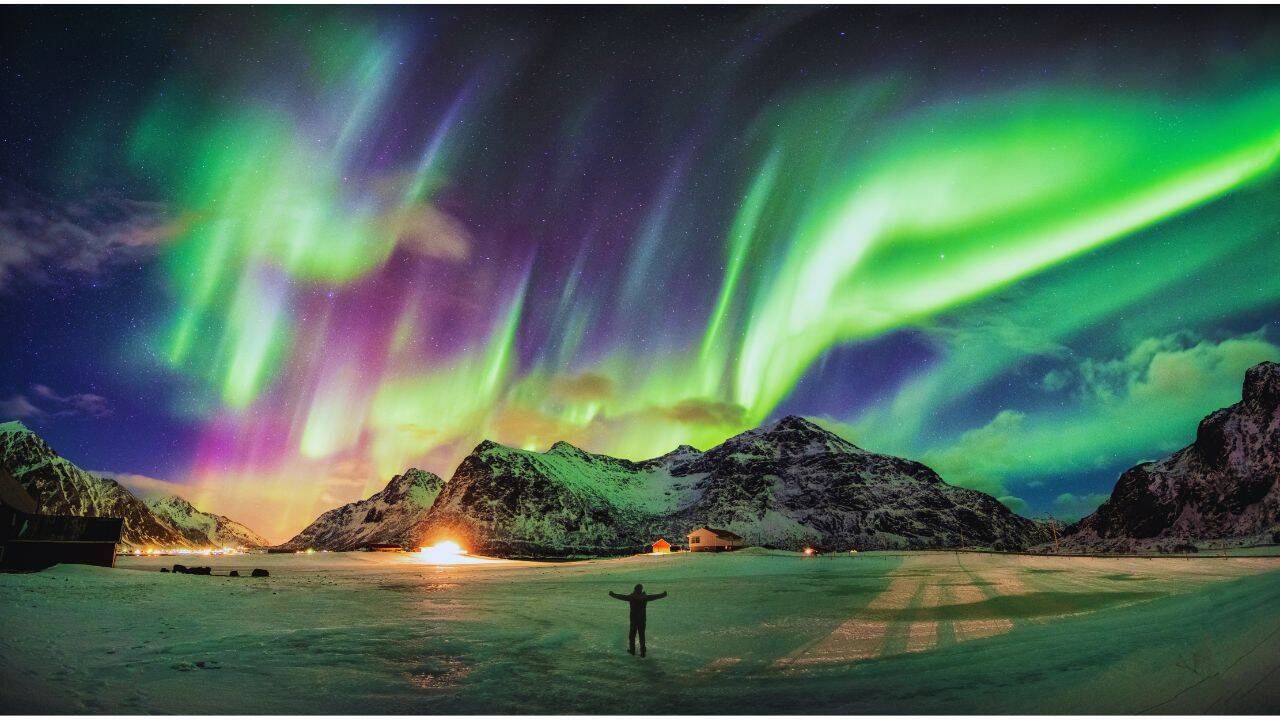
Northern lights (Canva)
But travellers should not expect Iceland to suddenly resemble a tropical destination. The Natural Science Institute has not established that a permanent mosquito population already exists.Climate change, the bigger pictureThe mosquito discovery comes against a striking backdrop of changing Icelandic weather.The Icelandic Meteorological Office’s official assessment of 2025 found that it was the warmest year in Iceland since instrumental measurements began.The national average temperature reached 5.2°C, 1.1°C above the 1991–2020 average and higher than any previous year in the record.Four of the five warmest years in Iceland’s historical record have now occurred since the beginning of the 21st century.This year, spring was the warmest ever recorded nationwide. May was the warmest May on record and July tied 1933 as the warmest July.On August 16, temperatures reached 29.8°C at Egilsstaðir Airport, another record.The Icelandic Meteorological Office also notes that substantial warming has occurred since 1980, with a trend of about 0.47°C per decade in its long-term climate assessment.However, this does not alone prove that climate change is the reason behind this.Should tourists be worried?No. The species identified is not known to transmit diseases dangerous to humans. It can bite, but Iceland’s newly discovered mosquito is very different from tropical mosquito species associated with diseases such as dengue, malaria or Zika.
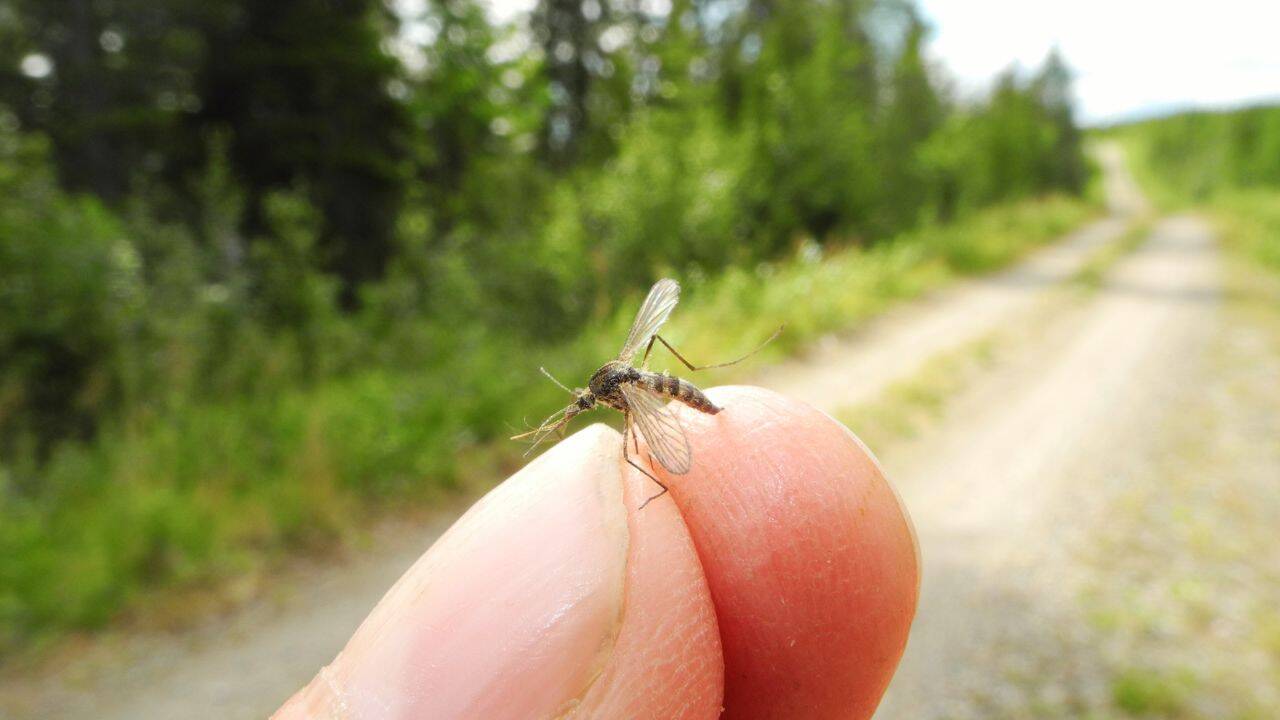
Mosquito in Iceland (Canva)
The more significant concern is ecological rather than an immediate tourism health threat.In short, a country that remained mosquito-free for so long, no longer holds the title.Sources: The Natural Science Institute of Iceland confirmed the mosquito identification; the Icelandic Meteorological Office provides Iceland’s official climate records and assessments. Icelandic Meteorological Office