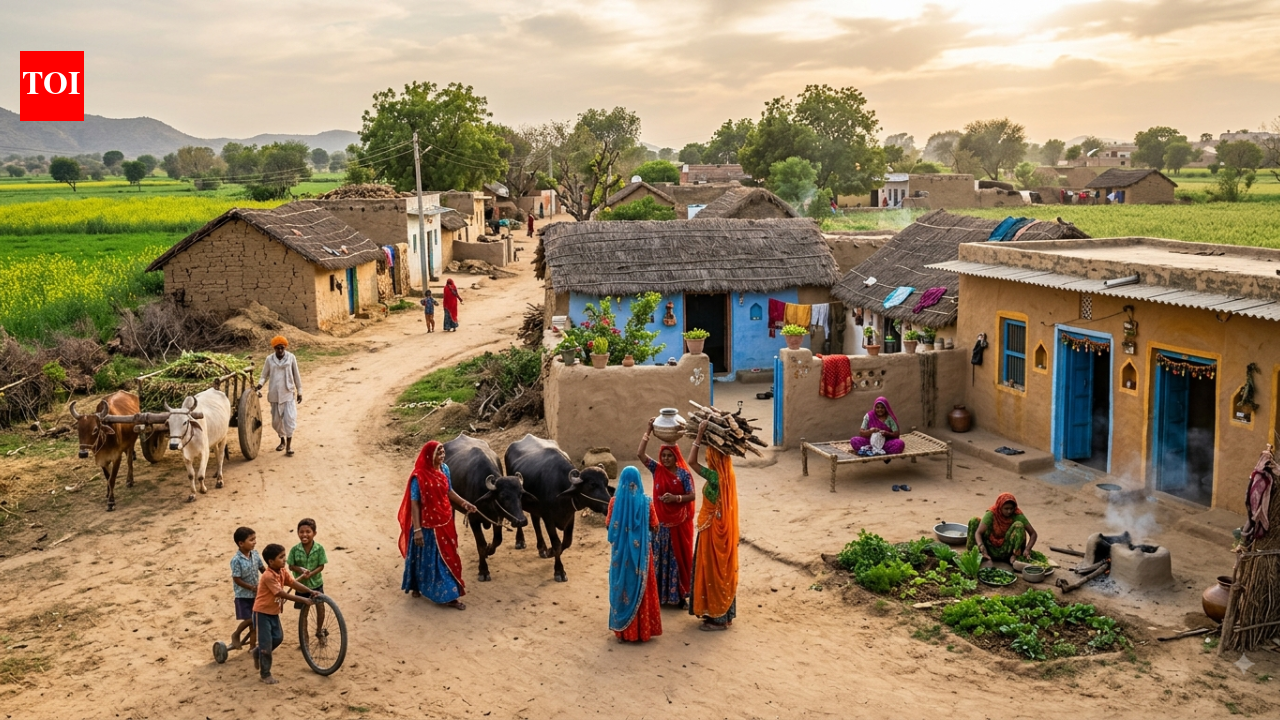
For some people, the dream isn’t a bigger apartment, a faster car or a life in the middle of a busy city. It’s a small house surrounded by trees, a quiet morning, a cup of tea in the balcony, familiar faces passing by and enough space to hear birds instead of traffic. They imagine growing vegetables, walking without rushing, knowing their neighbours and ending the day without feeling like they’ve been switched on for 14 hours straight.People who constantly think about village life are sometimes dismissed as old-fashioned, impractical or simply nostalgic. But psychology offers a more interesting way of looking at this desire.1. They may be craving a quieter mindCity life comes with a constant stream of stimulation. Traffic, notifications, advertisements, crowded roads, deadlines, construction noise and the pressure to always be available can leave very little mental space.Village life, at least in the way many people imagine it, represents the opposite. There is more physical space, fewer interruptions and a slower rhythm to ordinary activities.That matters because our surroundings can influence how mentally tired we feel. Research published in Scientific Reports looked at nearly 20,000 people and found that people who spent at least 120 minutes a week in nature were more likely to report good health and higher wellbeing than those who had no nature contact during the previous week. The researchers found the association across different groups, although the study does not prove that nature itself causes better wellbeing.So that fantasy of sitting under a tree doing absolutely nothing? It may be less about laziness and more about wanting relief from constant stimulation.2. They may want more contact with natureThere’s something different about seeing the seasons change when nature is part of your everyday surroundings. You notice the first rain, the smell of wet soil, birds nesting near the house or vegetables growing in the garden.For someone spending most of their life surrounded by concrete and screens, that connection can feel surprisingly restorative.Research has repeatedly linked contact with natural environments with psychological wellbeing. A 2021 study across 18 countries found that people who were more connected to nature and regularly visited natural spaces tended to report better mental health and wellbeing.That doesn’t mean moving to a village is a prescription for happiness. It simply helps explain why the idea of rural living can feel so appealing to some people.3. They may be looking for meaningful connectionIronically, city life can be incredibly social and still feel lonely.You can live in a building with hundreds of people and barely know the person next door. You can have dozens of contacts on your phone but nobody to casually sit with over tea.The traditional image of village life is different: neighbours dropping in, relatives living nearby, people knowing each other’s families and everyday interactions happening without being scheduled weeks in advance.For people who value community and familiarity, this kind of social connection can be a major part of the attraction.4. They may want life to feel less rushedA lot of modern life is organised around speed. Fast food, quick replies, instant deliveries, back-to-back meetings and packed calendars have quietly changed what we expect from ourselves.Village life can represent a slower routine where ordinary things aren’t necessarily treated as delays.Cooking a meal, tending plants, walking to a nearby shop or sitting outside in the evening can become part of the day rather than something squeezed between more important tasks.And sometimes people don’t actually want a more exciting life. They want an ordinary one that doesn’t leave them exhausted.5. They may be craving control and simplicityModern life can make people feel as though they’re constantly reacting to someone else’s schedule. Work determines when you wake up. Traffic determines when you arrive. Notifications determine when you look at your phone. Bills and deadlines determine what needs to happen next.The dream of village living can therefore represent something deeper: control over your time.Of course, rural life isn’t automatically simple. Villages have their own problems, responsibilities and social pressures. Access to healthcare, jobs, education and other services can also be more difficult in some rural areas. The romantic version of village life doesn’t always match reality. But the psychological desire behind the dream can still be real.