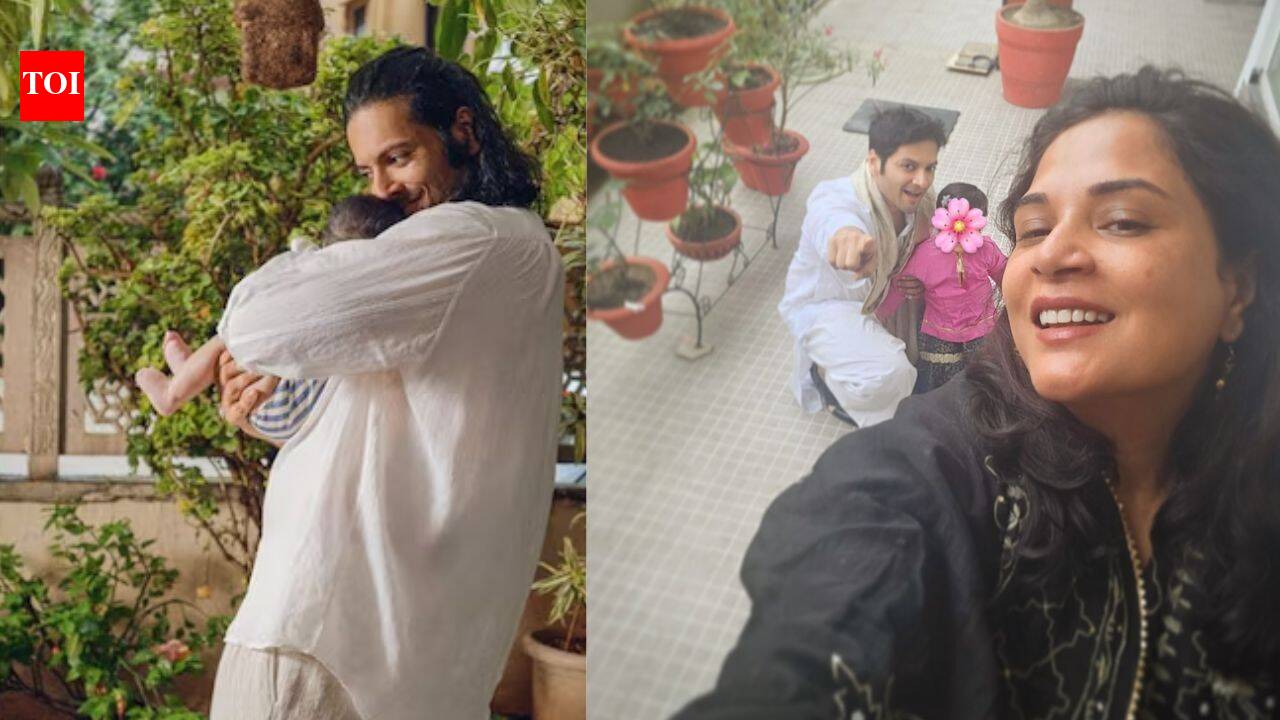

Sometimes, parenting conversations at home are not about bedtime routines or screen time. They are about what went into the khichdi. For actors Richa Chadha and Ali Fazal, even a simple meal for their daughter can become a topic of discussion, especially when one parent wants to know every little detail.Speaking to Moviefied, Richa offered a glimpse into Ali’s approach to fatherhood, describing him as deeply involved in caring for their daughter, Zuneyra Ida Fazal. While she appreciates his attention and affection, she admitted that his enthusiasm can occasionally feel like micromanagement. Her example was simple but telling. Even while Ali was away in Srinagar, he wanted to know whether she had added pumpkin to their daughter’s khichdi. It was the kind of question that could come from concern, but also one that left Richa feeling that he might be checking a little too closely.
5 Oct 2026 | 12:06
Parents, when your child refuses to greet relatives, do you make them say hello or respect their choice?
A father who wants to know every detail
Richa’s account suggests that Ali likes to stay connected to his daughter’s daily routine, even when work takes him away from home. She described him as someone who is “obsessed with his daughter”, adding that his involvement can sometimes become a little much. The pumpkin question captured this perfectly. Ali was not at home, yet he was checking on a small detail of his daughter’s meal. For a parent who wants to remain involved from a distance, such questions may feel like a way of participating in everyday care. For the parent managing things at home, however, repeated checks can feel unnecessary.Richa also pointed out that they have a nanny at home and that she is actively involved in looking after their daughter. Despite this support, Ali remains particular about how things are being handled. “He is a little extra,” she said, describing the side of his parenting that can sometimes irritate her. Her comments were light-hearted, but they offered a relatable picture of how couples can have different ideas about what being involved in childcare should look like.
When care starts feeling like micromanagement
Ali’s habit raises a familiar question for many parents: where does involvement end and micromanagement begin? Being attentive to a child’s food, sleep, health and routine is a normal part of parenting. Parents often ask questions because they want to ensure their child is safe and cared for. When they are away from home, checking in may also help them feel connected to what is happening. But when every small decision becomes a matter for discussion, the other parent may feel that their judgement is being questioned. Even well-intentioned questions can become tiring if they arrive too frequently or leave little room for the person at home to make decisions independently.That does not automatically mean the parent asking questions is distrustful. It may simply reflect different approaches to responsibility, a desire to remain involved or uncertainty about how to share childcare when one parent is away. Richa’s comments do not suggest that Ali’s concern comes from a lack of trust. Instead, her anecdote shows how affection and over-involvement can sometimes exist side by side. The challenge for parents is to communicate their expectations and find a balance that allows both to contribute without feeling monitored.
How Richa and Ali are finding their parenting rhythm
Richa and Ali married in 2022 and welcomed their daughter in July 2024. Since becoming parents, they have had to make room for family responsibilities alongside demanding acting careers. Their circumstances mean that childcare involves planning, coordination and adjustments to work schedules. In previous public conversations, the couple have discussed managing professional commitments while ensuring that one of them can be available for their daughter.Richa has also spoken about taking time to recover after childbirth and wanting privacy during the early period of motherhood. These experiences reflect how becoming parents can change everyday priorities, from professional decisions to the way household responsibilities are shared. Every family develops its own rhythm. Some couples divide tasks according to their schedules, while others stay involved in decisions together. Problems can arise when one person feels responsible for carrying out the daily work but also has to answer repeated questions about how it is being done. In such situations, clear communication can help. Agreeing on important matters, such as a child’s health and dietary needs, while allowing flexibility in everyday choices can make shared parenting easier.
Beneath the pumpkin question is a lot of love
For all the humour in Richa’s story, the image of Ali checking on his daughter’s khichdi from Srinagar is also a glimpse into how seriously he takes fatherhood. He wants to know what she is eating and how she is being cared for, even when he cannot be physically present. At the same time, Richa’s reaction highlights another side of parenting: being a hands-on parent also means recognising when to trust the other person to handle things.Their exchange is not a lesson in perfect parenting. It is a small, everyday moment between two people learning how to raise a child together while managing work, distance and different expectations. Ali may want a detailed update about the pumpkin. Richa may sometimes wish he would leave the khichdi questions alone. Both reactions can exist in a family where parents are trying to do their best. And perhaps that is what makes the anecdote so relatable. Sometimes, modern parenting is not about having all the answers. It is about learning when to check in, when to step back and when to trust that the person at home has everything under control.