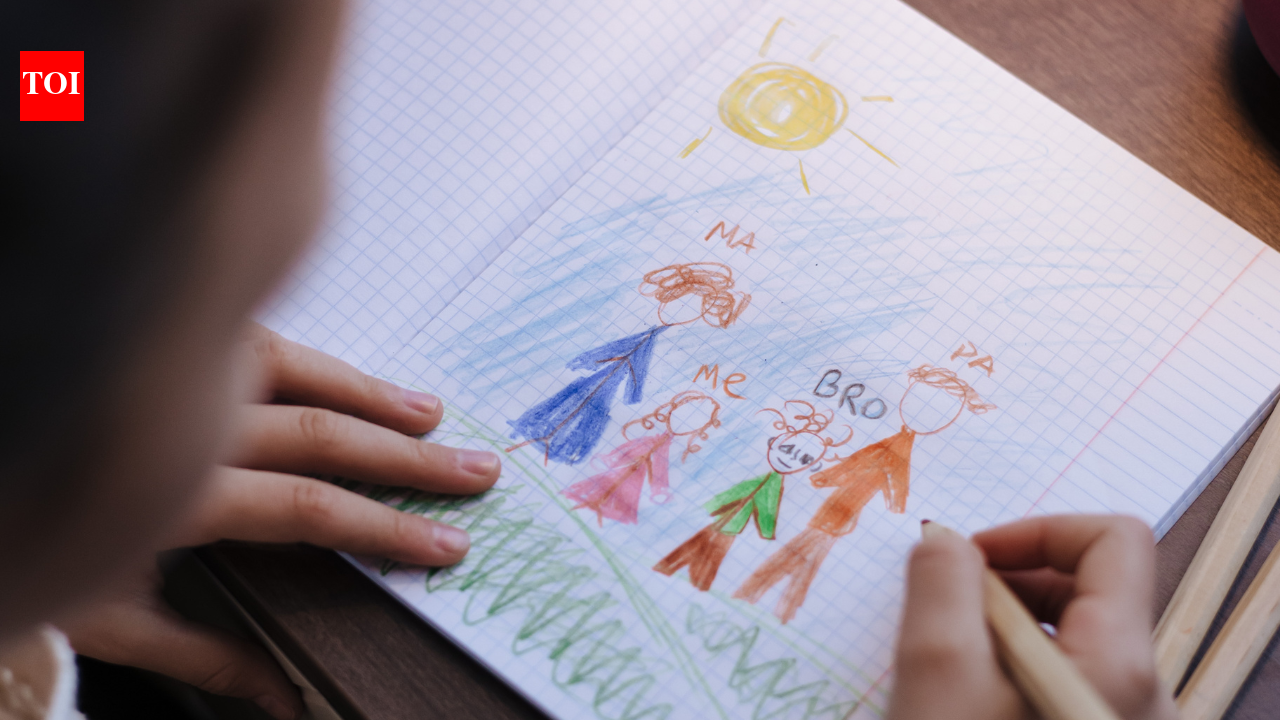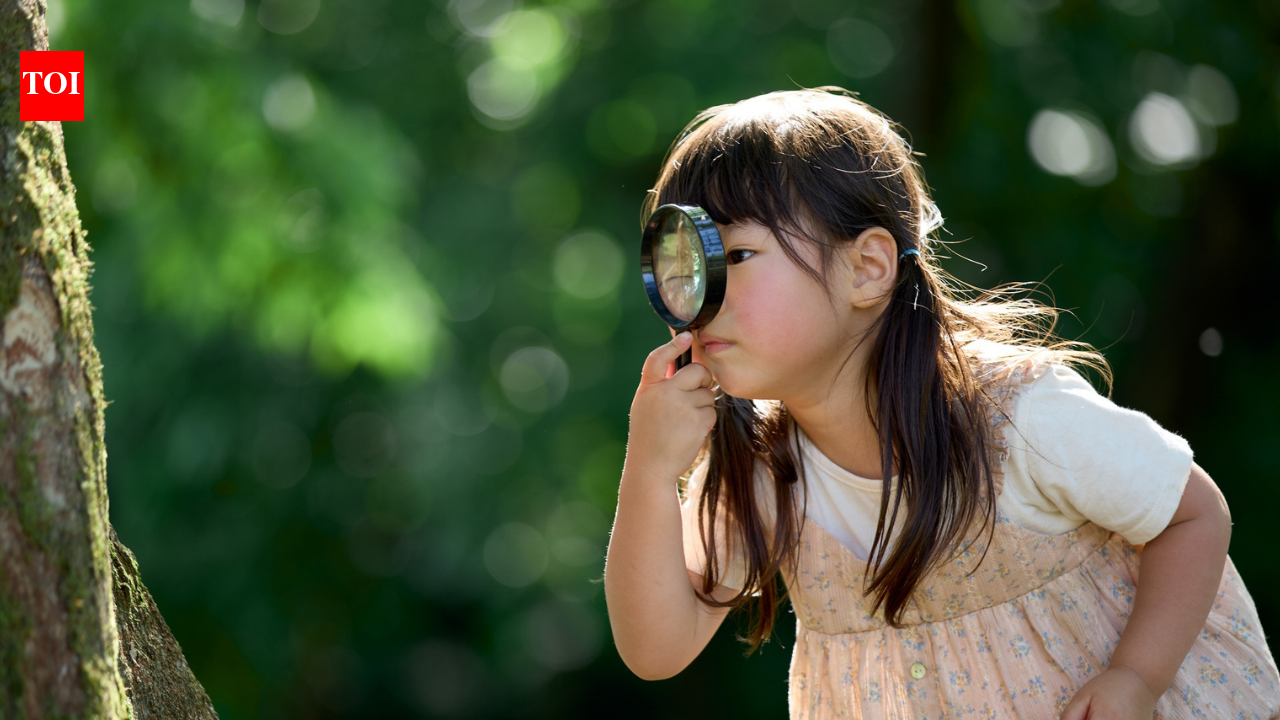
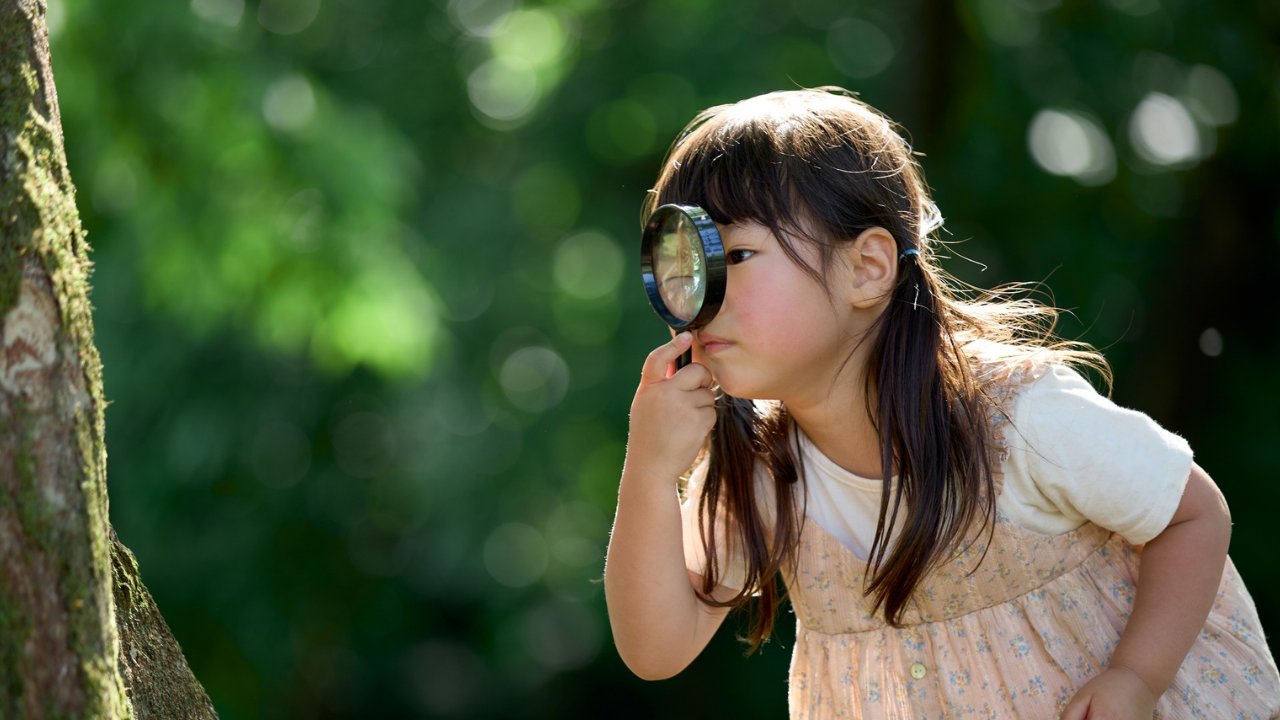
Some children can turn a five-minute walk into an hour-long adventure. They stop to watch ants carrying food, ask why the moon follows the car, collect oddly shaped leaves, or insist on knowing how a fan spins without falling from the ceiling. To adults, these may seem like endless interruptions. To a child, they are attempts to make sense of a world that still feels wonderfully new. Curiosity is one of childhood’s greatest gifts. Long before children learn from textbooks, they learn by observing, touching, questioning and experimenting. Every “why,” every unexpected question and every little discovery helps build the way they think. In fact, psychologists have found that curiosity doesn’t just increase knowledge. It strengthens memory, improves problem-solving skills and makes children more willing to embrace new experiences. The challenge is that curiosity doesn’t always look the way parents expect. Not every curious child asks hundreds of questions. Some quietly observe before speaking. Others spend hours building something from blocks, taking apart an old toy to see what is inside, or inventing elaborate stories with everyday objects. Curiosity wears many faces. If you’ve ever wondered whether your child is naturally curious, these subtle signs may offer the answer. More importantly, they reveal why encouraging that curiosity today can shape a more confident, creative and independent thinker tomorrow.