

Every parent wants their child to trust them and open up freely. But many parents make one common parenting mistake: they try so hard to become their child’s best friend that they forget the real job of being a parent. Experts say the right balance between friendship and guidance is what truly builds a strong, lasting bond with children.
Why the early years matter so much
28 Jul 2026 | 16:22
How do you teach children about money and financial responsibility?
Many parents complain that as their children grow into teenagers, they stop listening or sharing things with them. But this problem doesn’t start in the teenage years; it actually begins much earlier, in childhood. The relationship a parent builds with a child in the first few years of life sets the foundation for everything that comes after. This early bonding period is sometimes called the “attachment window.” During this time, a child’s emotional development takes shape, and the trust built now becomes the trust they carry into their teenage and adult years. If parents spend this window building closeness and understanding, children naturally stay more open with them later in life.
It’s not the toys; it’s the time
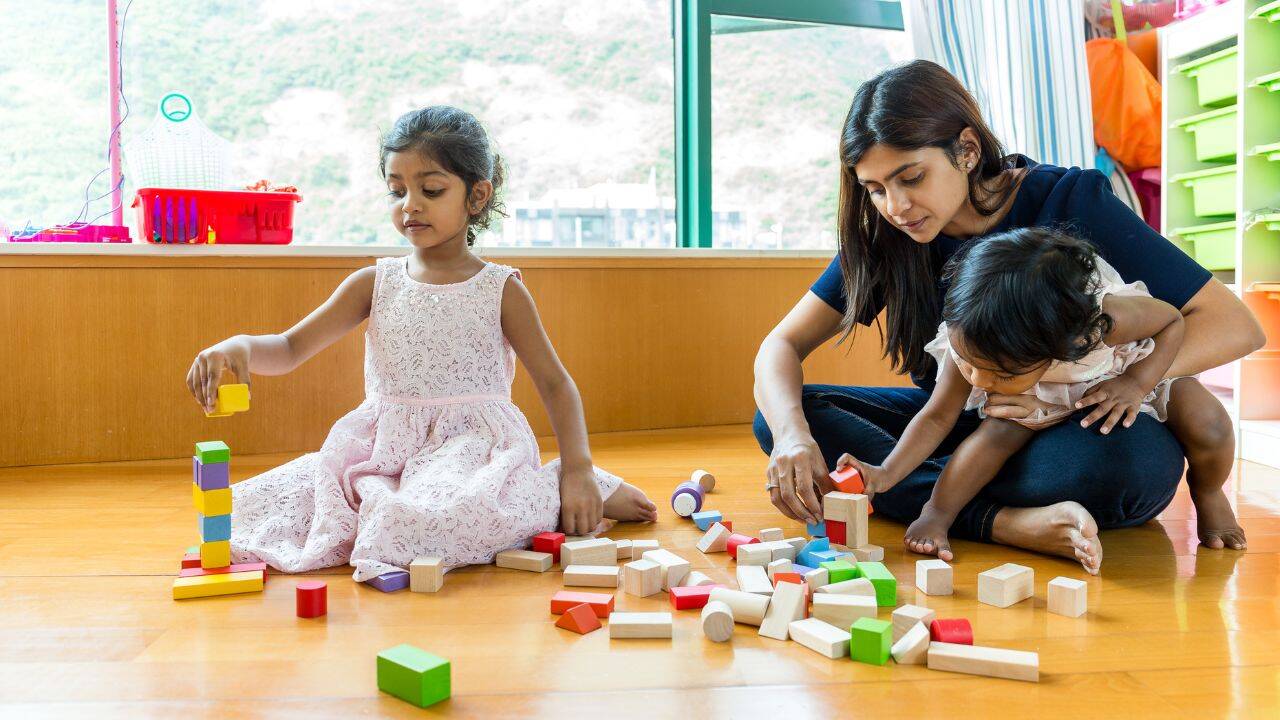
Here’s something every busy parent should remember: children rarely remember the expensive toys or gadgets they were given. What actually stays in their memory is the time their parents spent with them. A game played together, a story told at bedtime, a simple conversation about their day, these small moments matter far more than any gift. When children feel heard and understood, they build a lasting sense of trust and security. This is the real currency of parenting, not money spent on things.
Being friendly is good, but don’t forget you’re the parent
There’s nothing wrong with being warm and friendly with your child. In fact, it helps them speak freely without fear. A child who feels comfortable talking to their parents is less likely to hide things or feel alone with their problems. But being friendly should not mean giving up your role as a parent. Children still need someone to teach them right from wrong, set rules, and gently correct them when needed. If parents avoid this responsibility just to seem “cool” or likeable, children may struggle to understand boundaries later in life.
Finding the right balance

Good parenting is not about choosing between being strict or being a friend; it’s about blending both. Children need love and warmth, but they also need discipline and structure. Giving a child complete freedom without any limits can do more harm than good, just as being overly strict without warmth can push them away. The healthiest approach combines trust, affection, and clear boundaries together.
Raising confident and balanced children
When parents get this balance right, children grow up feeling secure, confident, and emotionally strong. They know they are loved, but they also understand there are limits. This mix helps them become responsible individuals who can handle both freedom and rules well in their own lives.
The takeaway for parents

Being close to your child is important, but don’t lose sight of your role as a guide. Avoid the common parenting mistake of blurring the line between friend and parent completely. Spend time, listen closely, but also lead with love and gentle discipline. This is how real, lasting bonds are built: not through toys or over-friendliness, but through presence, trust, and balance.