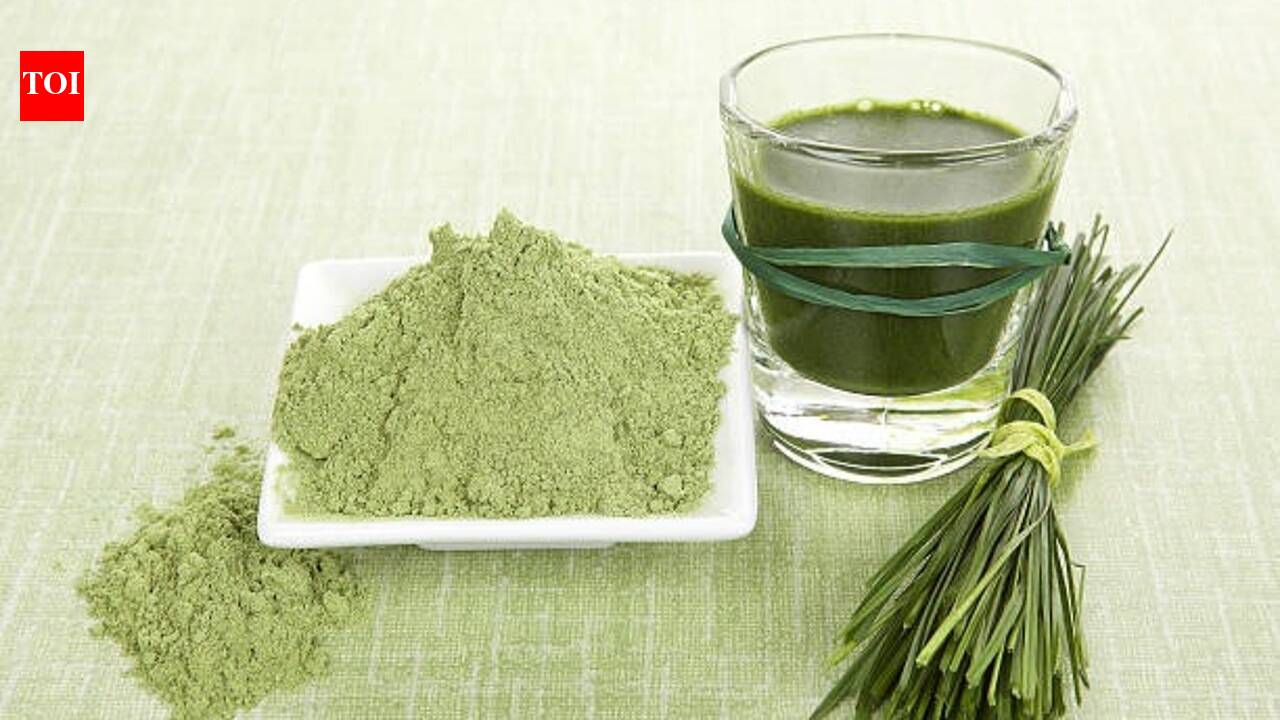
Wheatgrass has spent the last decade moving from niche health-food stores into mainstream Indian kitchens, and wheatgrass powder in particular has become one of the easiest ways to include it in a daily routine without dealing with the hassle of growing, juicing, and straining fresh grass at home. Made by drying young wheat shoots and grinding them into a fine, vividly green powder, wheatgrass retains much of the chlorophyll, vitamins, and antioxidants that made the fresh version popular among health enthusiasts in the first place. It is not a magic cure, and it should not be treated as one, but a growing body of research and traditional use suggests it genuinely earns its reputation as a nutrient-dense addition to a balanced diet. Here is a closer look at what wheatgrass powder actually offers and how it fits realistically into everyday life.A concentrated source of nutrientsOne of the biggest draws of wheatgrass powder is just how much nutritional density it packs into a small spoonful. It contains a meaningful range of vitamins including A, C, E, and several B vitamins, alongside minerals such as iron, calcium, magnesium, and potassium. This is particularly relevant for vegetarians and vegans who may need extra support in meeting certain micronutrient targets through plant-based sources alone. Because the powder is made by drying and grinding the grass rather than juicing it fresh, it also tends to have a longer shelf life and a more concentrated nutrient profile per gram compared to fresh wheatgrass juice, making it a convenient way to get a broad spread of nutrients in one simple addition to your morning routine.Packed with antioxidantsWheatgrass powder contains a range of antioxidant compounds, including flavonoids and various plant polyphenols, which help neutralise free radicals that contribute to cellular damage over time. Chronic oxidative stress is linked to a wide range of long-term health concerns, from premature ageing to inflammation-related conditions, which is why antioxidant-rich foods are consistently recommended as part of a preventive approach to overall wellness. Regular, moderate intake of wheatgrass powder, alongside a generally balanced diet rich in fruits and vegetables, can contribute meaningfully to the body’s antioxidant defences, though it works best as one part of a broader dietary pattern rather than a standalone solution.May support digestionMany people who introduce wheatgrass powder into their diet report noticeable improvements in digestion, and there is some scientific basis for this. Wheatgrass contains enzymes that may aid the breakdown of food, along with a modest amount of fibre that supports regular bowel movement. Its alkalising properties are also sometimes credited with helping balance stomach acidity, which some people find soothing for mild digestive discomfort. It is worth starting with a small quantity, such as half a teaspoon mixed into water or juice, since introducing any new fibre or plant-based supplement too quickly can occasionally cause temporary bloating or an upset stomach as the digestive system adjusts.Potential immune system supportWheatgrass powder’s combination of vitamins A and C, along with various antioxidant compounds, is often linked to general immune support. Vitamin C in particular plays a well-established role in immune cell function, and consistent intake through diet is a reasonable way to support the body’s natural defences over time. While wheatgrass powder should not be viewed as a substitute for a balanced diet or medical treatment, incorporating it as part of a nutrient-dense daily routine, alongside adequate sleep, hydration, and physical activity, may contribute to a generally more resilient immune response, particularly during seasonal changes when colds and infections tend to spread more easily.May help manage blood sugar levelsSome preliminary research suggests that wheatgrass may have a modest role in supporting healthier blood sugar regulation, potentially due to its fibre content and certain bioactive compounds that influence insulin sensitivity. This is an area where more robust, large-scale studies are still needed before firm conclusions can be drawn, but early findings have been promising enough that wheatgrass is sometimes discussed as a complementary addition for people managing blood sugar concerns. It is important to stress that this should never replace prescribed medication or medical guidance, and anyone with diabetes or related conditions should discuss adding wheatgrass powder to their routine with a doctor before making it a regular habit.A possible ally for skin healthThe antioxidant and chlorophyll content in wheatgrass powder has also made it popular in discussions around skin health, both through dietary intake and topical use in some beauty products. Internally, antioxidants help combat the oxidative stress that contributes to premature skin ageing, while chlorophyll’s mild anti-inflammatory properties are sometimes credited with supporting clearer, calmer skin over time. While wheatgrass alone will not transform skin overnight, it can be a reasonable addition to an overall routine that already includes proper hydration, sun protection, and a nutrient-rich diet, functioning as one small supportive piece rather than a standalone skincare solution.How to add it to your daily routineWheatgrass powder is remarkably easy to incorporate into everyday eating, which is part of why it has become so popular compared to fresh wheatgrass juice. A s