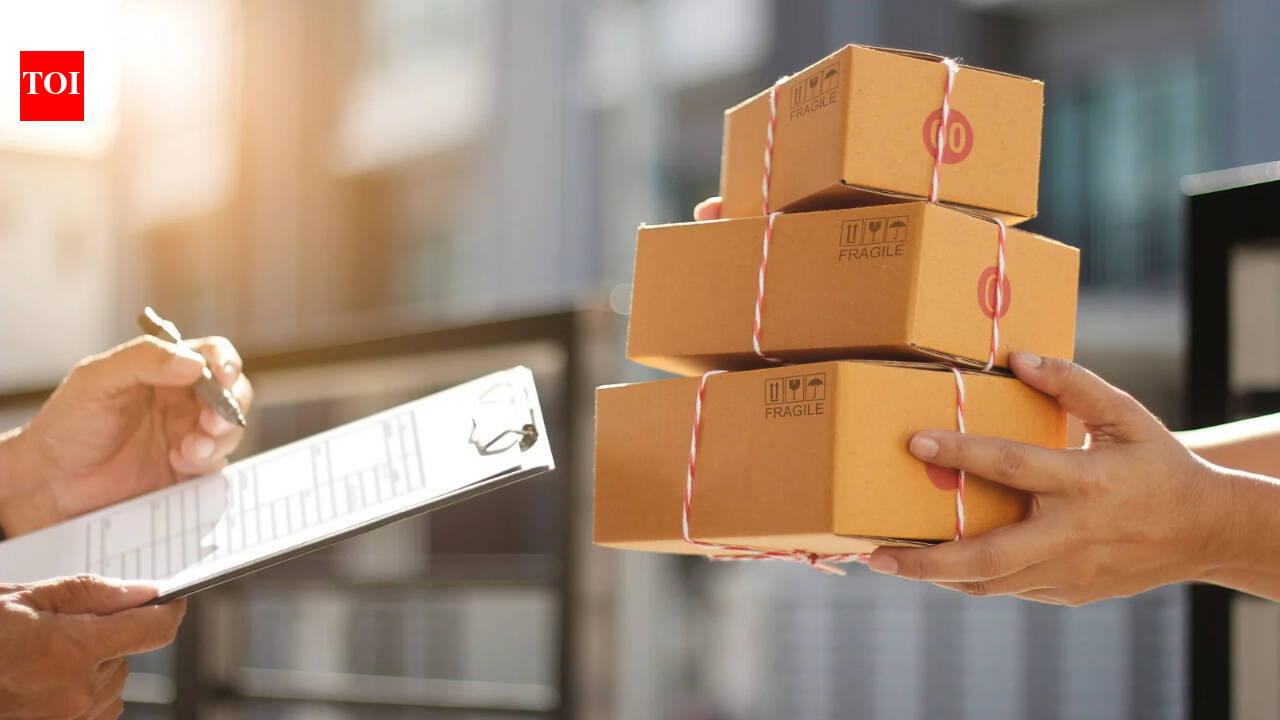

Your phone rings, the delivery agent is downstairs and your parcel has finally arrived. You collect the package and get on with your day without giving it much thought.But what if the parcel is damaged, the payment amount is wrong or the package is not even meant for you?Most deliveries are straightforward, but a few quick checks can help you catch a problem before it becomes your responsibility. Here are five things to check before accepting a parcel.
1. Is the parcel meant for you?
Check the recipient’s name and address before accepting the package. This is particularly useful in apartment buildings where several deliveries arrive at once.If the parcel is addressed to someone you do not know, ask the delivery agent to verify the details. If you were not expecting anything, check your recent orders or ask household members whether they placed an order.
2. Does the packaging look damaged?
Look for torn packaging, broken seals, unusual openings or signs of leakage. Minor dents can happen during transit, but visible tampering or serious damage deserves attention.If the parcel looks damaged, take photographs when appropriate and ask about the procedure for reporting the issue. If it contains an unknown leaking substance, avoid handling it unnecessarily.
3. Does the payment amount match your order?
For cash-on-delivery purchases, check the amount against your order confirmation before paying.If the delivery agent asks for an additional fee you do not recognise, verify it through the retailer’s official app or website. Be cautious if someone asks you to pay again for an order you have already paid for.Never let pressure to complete the delivery rush you into making an unexplained payment.
4. Why are you being asked for an OTP?
Some retailers use OTPs to confirm that a parcel has reached the intended recipient. However, always read the message to understand what the code is meant to authorise.Never share banking OTPs, UPI PINs or passwords with a delivery agent. If a code appears to be related to an account login, password reset or financial transaction rather than delivery confirmation, stop and verify the request.
5. Did you actually order the package?
If a parcel arrives unexpectedly, check your shopping accounts and ask household members whether they placed the order.Be cautious if someone insists that you must accept the package or pay immediately to avoid a penalty. If you cannot establish where it came from, contact the retailer or courier company through its official support channel.Avoid scanning unfamiliar QR codes or opening suspicious links provided with an unexplained delivery.Thumb image: Canva (for representative purposes only)