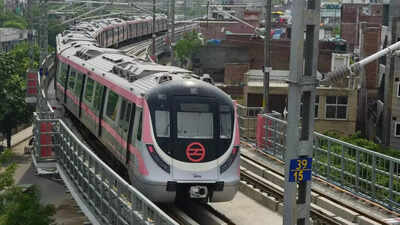
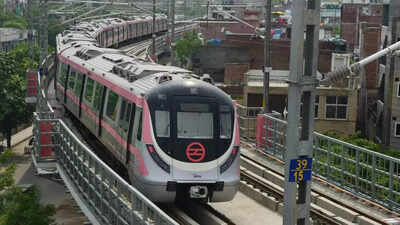
Prime Minister Narendra Modi on Sunday inaugurated two new metro corridors, making Delhi home to India’s first fully operational Ring Metro. Alongside these, the PM also other unveiled major infrastructure projects, marking a significant boost to the city’s public transport and housing networks. The total investment across these projects is around Rs 33,500 crore, including Delhi Metro expansions worth Rs 18,300 crore.Chief Minister Rekha Gupta highlighted the broader benefits, saying the metro expansion “is expected to make daily commuting smoother, cut traffic congestion and help tackle pollution in the capital.” She added that the projects would also improve access for residents of the National Capital Region, particularly commuters from Noida and Faridabad, and provide better connectivity to Indira Gandhi International Airport.
India’s first Ring Metro
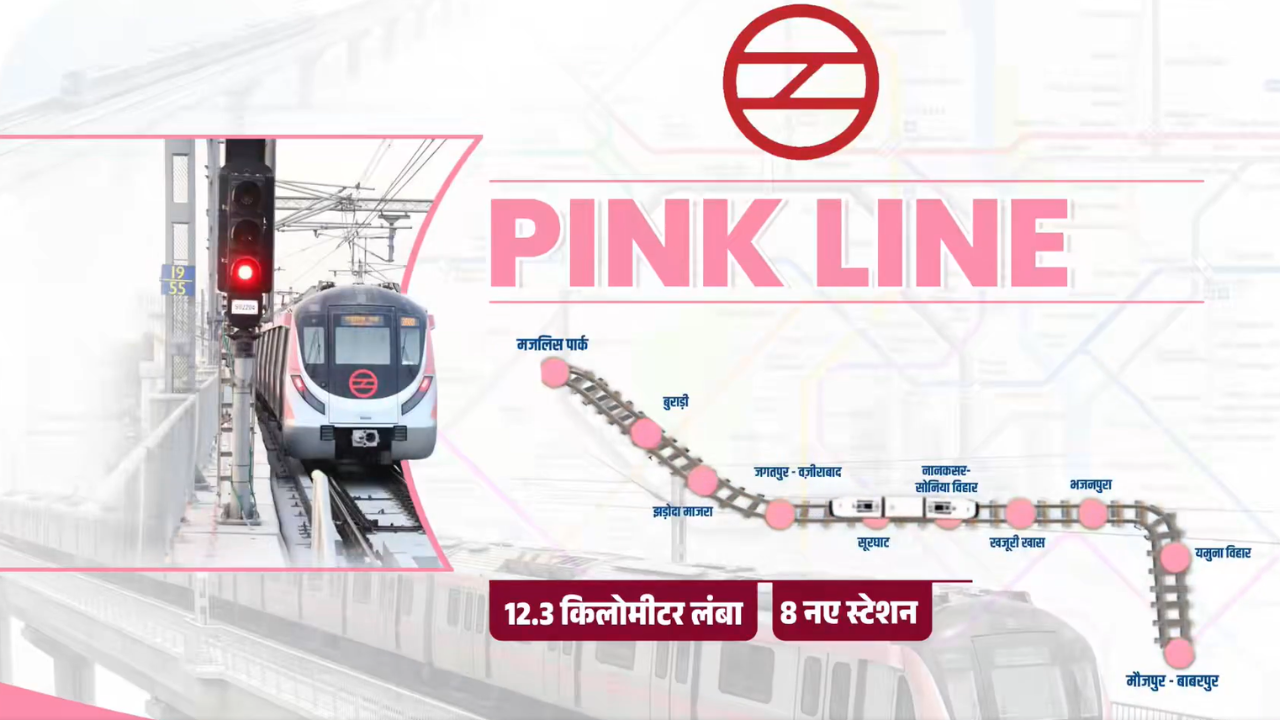
The highlight was the opening of the Majlis Park–Maujpur–Babarpur stretch of the Pink Line, a 12.3-kilometre corridor with eight elevated stations. With this addition, the Pink Line now stretches to 71.56 kilometres, making Delhi the first city in India with a fully operational Ring Metro. Stations on this route include:
- Majlis Park
- Burari
- Jharoda Majra
- Jagatpur-Wazirabad
- Soorghat
- Nanaksar-Sonia Vihar
- Khajuri Khas
- Bhajanpura
- Yamuna Vihar
- Maujpur-Babarpur
Alongside the Pink Line, the Deepali Chowk–Majlis Park section of the Magenta Line, spanning 9.9 kilometres, was also inaugurated. Officials said the new corridors would improve connectivity between North-East and North-West Delhi, reduce travel time across several parts of the city, and benefit areas including Burari, Jagatpur-Wazirabad, Khajuri Khas, Bhajanpura, Yamuna Vihar, Madhuban Chowk, Haiderpur Badli Mor, Bhalaswa, and Majlis Park. In addition to the inaugurated stretches, PM Modi also laid the foundation stone for three new corridors under Phase V-A of the Delhi Metro, covering a total length of 16.10 kilometres. Before the main ceremony, PM Modi also visited the GPRA Type-5 quarters at Sarojini Nagar to hand over keys to female allottees. He also inaugurated and laid the foundation stone for projects under the GPRA Redevelopment Plan, valued at Rs 15,200 crore. The redevelopment, taking place in Sarojini Nagar, Netaji Nagar, Kasturba Nagar, and Sriniwaspuri, will modernise government housing and offices, providing over 9,350 flats for government employees and creating 48 lakh square feet of office space. The project is being implemented through a self-sustaining model, where a portion of the area is monetised to fund the overall redevelopment.